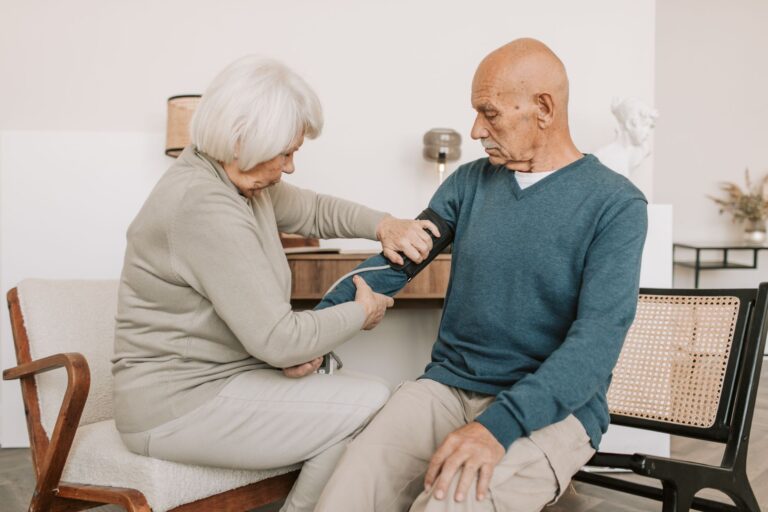
Having COPD and dementia together usually strengthens eligibility for Home and Community-based Services because the combined limits create greater daily-care and supervision needs. Neither diagnosis alone guarantees coverage; applicants must have Medicaid and documented need for nursing-facility-level care.
Home and Community-based Services provide long-term support at home for people who could otherwise need a nursing facility. COPD is chronic obstructive pulmonary disease, a lung condition that limits breathing and stamina. When memory loss reduces planning, medication use, and safety awareness, breathing limits cause faster loss of independence.
Medical information disclaimer: This article is for general educational purposes only and does not provide medical advice, diagnosis, or treatment. Always consult a physician or other qualified health professional about symptoms, medications, tests, or treatment decisions.
Table of Contents
- What HCBS eligibility requires
- Why COPD plus dementia raises daily-care needs
- How dementia fits waiver rules
- What combined needs can cover at home
- Why approval does not mean immediate care
What HCBS eligibility requires
Under Section 1915(c), Medicaid HCBS waivers cover people who are Medicaid-eligible and meet an institutional level of care. The goal is long-term support at home instead of a nursing facility, according to the Kentucky Cabinet for Health and Family Services in its Kentucky Medicaid HCBS waiver overview. Functional eligibility turns on documented limits in daily activities and household tasks.
A dementia diagnosis alone does not qualify without meeting that functional threshold, as explained by Medicaid Planning Assistance. People with dementia must meet the same financial and functional tests, including need for nursing-facility-level care or at-risk status. For a combined COPD and dementia case, document these points:.
- Medicaid enrollment and financial eligibility
- Daily-activity and household-task limits with examples and frequency
- Need for nursing-facility-level care
- Supervision needs, breathing-related limits, and skilled-care needs
Why COPD plus dementia raises daily-care needs
In a nationally representative Health and Retirement Study of 17,535 adults age 53 and older, 9.5% reported COPD and 13.5% had mild cognitive impairment. Among those with COPD, 17.5% had cognitive impairment. The pattern shows overlap is common, not rare.
Both conditions raised disability risk. About 9.2% of people with COPD developed new dependence in basic daily activities within two years, compared with 4.0% without COPD, according to the Annals of the American Thoracic Society in its peer-reviewed COPD and cognition study summary. Breathlessness reduces what a person can do. Memory and planning problems reduce whether it gets done safely.
How dementia fits waiver rules
Dementia adds supervision and safety needs to the functional picture. Applicants must still show nursing-facility-level need, plus problems such as unsafe cooking, wandering, missed medications, or inability to follow breathing treatment.
Need for oversight and skilled care carries weight alongside physical limits. Medicaid beneficiaries with dementia may qualify for HCBS waivers, and some states use targeted waivers, health homes, or dementia-specific options for supervision and personal care, according to KFF in its KFF fact sheet on Medicaid's role for people with dementia. COPD strengthens that application when shortness of breath, fatigue, oxygen use, or frequent exacerbations increase help needed for bathing, dressing, walking, meals, and clinic visits.
What combined needs can cover at home
Combined needs often point to personal care, adult day health, and respite. Personal care helps with bathing, dressing, mobility, meals, and medication reminders. Adult day health adds supervision, meals, activities, and health monitoring during daytime hours.
Respite gives the primary caregiver short-term relief while maintaining supervision. For COPD plus dementia, the strongest case links breathlessness with cognitive limits. An example is needing reminders to use inhalers correctly, plus hands-on help to move safely while short of breath.
Why approval does not mean immediate care
Meeting clinical criteria does not guarantee an immediate slot. About 711,000 people were on HCBS waiting lists in 2024, with average waits around 40 months, according to McKnight's reporting of KFF data in its report on longer Medicaid HCBS wait lists. Waiver slots, funding, and local provider supply affect timing.
Apply early, keep functional records current, and ask the waiver agency about waiting-list rules and interim options. Report hospital visits, falls, breathing crises, and increased supervision needs promptly because worsening function can affect priority. Keep a list of daily help, medications missed, and safety incidents to support reassessment.