Reviewed by the Help Dementia Editorial Team — our editors review every article for accuracy against guidance from the National Institute on Aging, the Alzheimer’s Association, and peer-reviewed sources.
Using fexofenadine through back-to-school season starts with understanding that this antihistamine works best when taken consistently at the same time each day, typically in a 180-milligram dose taken once daily with water. For caregivers managing both their own seasonal allergies and the demands of supporting a family member with dementia during the hectic back-to-school rush, maintaining a steady medication routine becomes crucial—missing doses or taking the medication sporadically reduces its effectiveness and leaves you vulnerable to the very symptoms you’re trying to prevent. If you’re a caregiver experiencing increased stress and allergies as school calendars ramp up in August and September, fexofenadine offers a non-drowsy option that won’t interfere with your ability to stay alert while managing medication schedules, medical appointments, or behavioral changes in your loved one.
The advantage of fexofenadine over some older antihistamines is precisely this clarity: it doesn’t cross into the brain in significant amounts, so you won’t experience the drowsiness or cognitive fog that can come with first-generation antihistamines. However, back-to-school season brings unique scheduling challenges. When your routine is disrupted—driving kids to new schools, managing new medication times, adjusting to seasonal pollen spikes—maintaining consistent fexofenadine use becomes harder, which is why planning and building it into your existing routine is your best defense against mid-day allergy flare-ups. This article walks you through practical strategies for using fexofenadine effectively during one of the year’s most demanding seasonal transitions, with particular attention to the needs of those managing both personal health and dementia caregiving responsibilities.
Table of Contents
- When and How to Start Fexofenadine Before Allergy Season Peaks
- Understanding How Fexofenadine Works and Its Limitations
- Timing Your Fexofenadine Dose Around School and Caregiving Schedules
- Combining Fexofenadine with Other Allergy Management Strategies
- Medication Interactions and Special Considerations for Older Adults in Your Care
- Supporting a Dementia Patient When They Also Experience Seasonal Allergies
- Planning Ahead for Sustained Allergy Control Throughout the School Year
- Conclusion
When and How to Start Fexofenadine Before Allergy Season Peaks
The ideal approach is to begin fexofenadine one to two weeks before you typically notice seasonal allergies becoming problematic, rather than waiting until you’re already sneezing and itchy. Many people make the mistake of waiting until symptoms are unbearable, then starting medication—but antihistamines work better as a preventive tool, building up in your system to block allergic responses before they start. During back-to-school season, this means late July or early August is the right time to talk with your doctor about starting, so that by the time school begins and stress levels rise, your allergy management is already stable and not competing for your attention.
For most adults, the standard dose is one 180-milligram tablet taken once daily, preferably at the same time each morning or evening. Taking it at the same time daily—paired with another habit like your morning coffee or your evening routine—helps prevent the “did I take it today?” question that often derails consistent medication use, especially when caregiving demands are high. Starting your dose early (before peak pollen) also gives you time to notice whether fexofenadine works well for your particular allergy pattern. Some people find complete relief; others discover they need additional strategies like saline rinses or environmental controls to feel comfortable.

Understanding How Fexofenadine Works and Its Limitations
Fexofenadine is a selective antihistamine that blocks H1 receptors involved in allergic responses, reducing itching, sneezing, and nasal congestion without significantly affecting histamine activity in the brain. This is why it causes minimal drowsiness—a critical advantage for caregivers who need to remain alert and responsive to the needs of family members with dementia. Unlike diphenhydramine (Benadryl) or chlorpheniramine, which cross the blood-brain barrier and can cause sedation and cognitive impairment, fexofenadine keeps your mental sharpness intact while addressing allergic symptoms. One important limitation is that fexofenadine works better for some types of allergies than others.
It’s excellent for hay fever (allergic rhinitis) caused by pollen, dust, or pet dander, but less effective for severe or chronic hives, angioedema, or food-related allergic reactions. Additionally, fexofenadine requires an empty stomach or only minimal food intake to be absorbed properly. Taking it with high-fat meals, grapefruit juice, or certain medications can significantly reduce how much of the drug your body actually absorbs. If you’re managing a complicated medication schedule for yourself and your loved one, this requirement adds another layer of planning. Many caregivers take it first thing in the morning before eating breakfast, or an hour before meals, to ensure maximum effectiveness.
Timing Your Fexofenadine Dose Around School and Caregiving Schedules
Back-to-school season often means synchronizing multiple schedules—school start times, work schedules, after-school activities, and possibly medication administration for your loved one with dementia. Anchoring your fexofenadine dose to something non-negotiable in your morning routine removes one variable from an already complex day. For example, if you always take your vitamins or have coffee at 7 a.m., take your fexofenadine tablet at the same moment. This creates a mental link that persists even on hectic mornings when you’re rushing to get children ready for school or attending to unexpected dementia-related needs.
If you find that afternoon allergy symptoms are breaking through—itchy eyes or sneezing returning by 3 or 4 p.m.—it’s tempting to take a second dose, but fexofenadine is designed for once-daily dosing. Taking more than one tablet daily without medical approval can reduce effectiveness and may increase the risk of side effects. Instead, discuss with your doctor whether your symptoms suggest you need a higher dose (240 mg is sometimes used for more severe cases) or whether combination therapy with a nasal corticosteroid spray might provide better control. Many caregivers find that combining a morning fexofenadine tablet with an intranasal steroid spray gives better overall symptom relief than increasing the antihistamine dose alone.

Combining Fexofenadine with Other Allergy Management Strategies
While fexofenadine addresses the chemical side of allergies, environmental controls and other strategies often make a meaningful difference, especially during high-pollen periods in late summer and early fall. Pairing your medication with a saline nasal rinse each morning, using air filters in your bedroom and car, and keeping windows closed during peak pollen hours can reduce the total allergic load your body is responding to. This combination approach often means you get symptom relief with the medication alone, without needing to escalate doses or add multiple drugs.
A practical comparison: a caregiver who takes only fexofenadine but drives with car windows down during pollen season might still experience breakthrough symptoms, whereas one who takes fexofenadine, uses a car air filter on recirculate mode, and uses a nasal rinse in the morning often enjoys complete symptom control. The tradeoff is that this multi-pronged approach requires more deliberate action—remembering to rinse your sinuses, maintaining filters, being conscious about air circulation. For some caregivers, especially those already stretched thin managing dementia care, the mental load of multiple strategies can feel overwhelming. In that case, focusing on medication consistency plus one or two environmental controls (like keeping bedroom windows closed and using a HEPA filter) often provides sufficient relief without adding complexity.
Medication Interactions and Special Considerations for Older Adults in Your Care
Fexofenadine itself has relatively few serious drug interactions, which makes it a safer choice for complex medication situations. However, if you’re taking certain medications—particularly some antifungals (ketoconazole), antiretrovirals (ritonavir), or some cardiovascular drugs—discuss potential interactions with your pharmacist or doctor before starting fexofenadine. Additionally, grapefruit juice, pomegranate juice, and grapefruit-based supplements can interfere with fexofenadine absorption, so be cautious if these are part of your diet. A critical warning: if the person with dementia in your care is also experiencing seasonal allergies, never assume that fexofenadine is appropriate for them without explicit medical guidance.
Older adults with dementia may have different absorption patterns, may be taking other medications that interact, or may have conditions that make antihistamines risky. Some people with dementia experience paradoxical reactions to antihistamines, including increased confusion or agitation. Always consult their physician before giving them any allergy medication, even over-the-counter options. Additionally, watch yourself for any side effects—though rare, fexofenadine can occasionally cause dizziness, dry mouth, or fatigue. If you notice changes in how you feel while taking it, especially in the context of caregiving where alertness matters, report this to your doctor promptly.
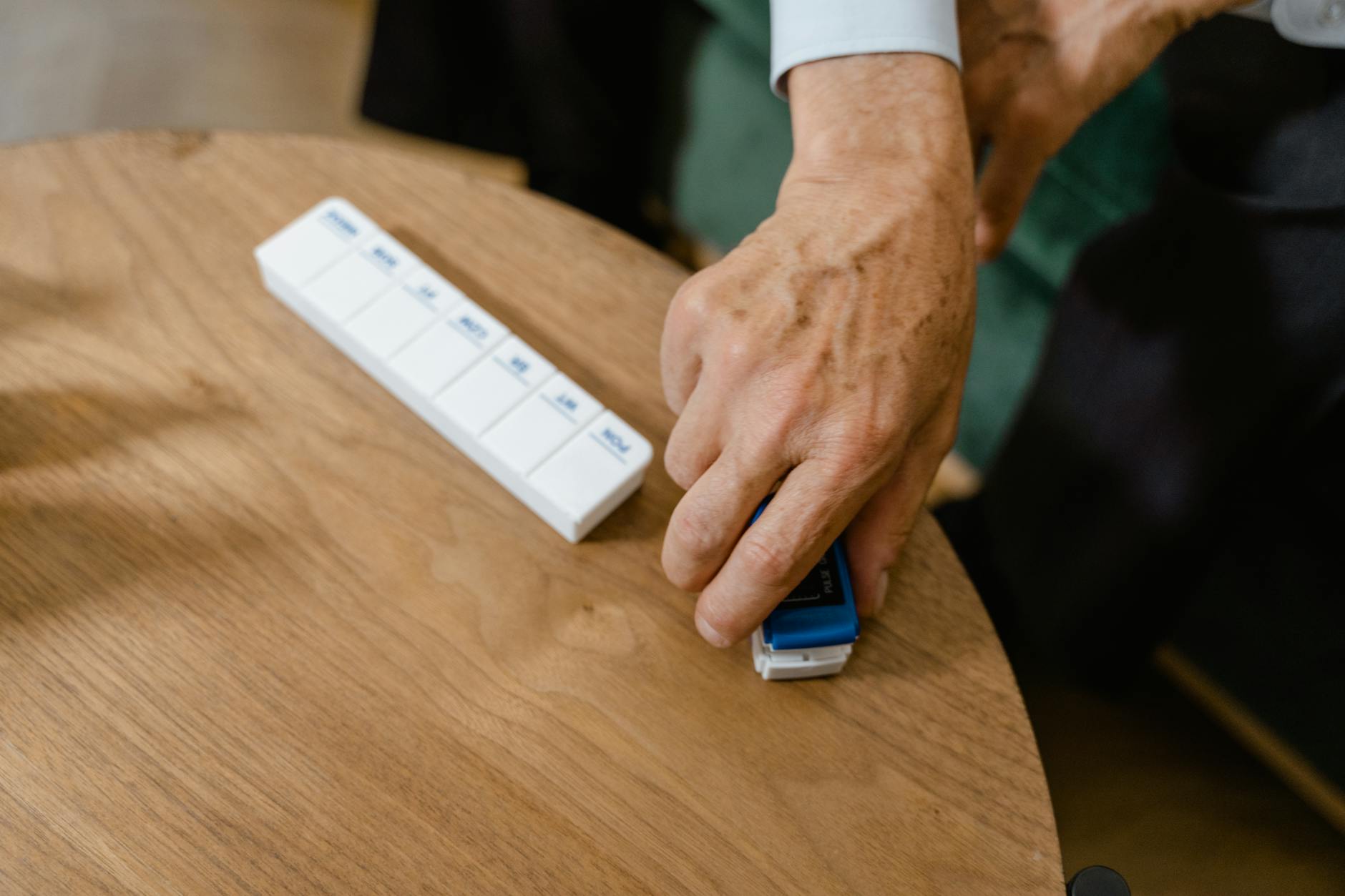
Supporting a Dementia Patient When They Also Experience Seasonal Allergies
If your loved one with dementia is also struggling with seasonal allergies during back-to-school chaos, managing their symptoms requires a different approach than managing your own. People with dementia often cannot reliably communicate discomfort, may resist taking unfamiliar medications, or may forget why they’re taking a medication day after day. Non-drug approaches become especially valuable: keeping their environment cool and comfortable, using a humidifier to ease congestion, and controlling dust and pet dander in their living space can reduce allergic symptoms significantly.
For example, if your parent with dementia lives with you and experiences sneezing or congestion, you might install a HEPA filter in their bedroom, wash their bedding weekly in hot water, and keep pollen-heavy outdoor activities to cooler parts of the day when pollen counts are lower. These strategies avoid the need for medication they might not understand or accept. If medication is necessary, your loved one’s doctor might recommend a low dose of fexofenadine (appropriate for older adults), but the emphasis shifts from self-management to your consistent administration and observation. You become responsible for ensuring they take it the same time daily and watching for any behavioral changes that might indicate a reaction.
Planning Ahead for Sustained Allergy Control Throughout the School Year
Back-to-school season is just the beginning of the fall allergy window, which often extends through October and sometimes into November, depending on your location and what plants trigger your allergies. Rather than treating fexofenadine as a short-term summer solution, plan to use it through the entire season when pollen is present in your region. This might mean setting a reminder on your phone or calendar in late July to start fexofenadine and another reminder in late fall to reassess whether you still need it.
Looking ahead to future seasons, keep track of when your allergies typically peak and how well fexofenadine controlled them. Did you need additional measures? Did your symptoms break through? Would a higher dose or combination therapy have helped? Documenting this—even just in notes on your phone—gives you and your doctor concrete information for next year’s planning. For caregivers, building allergy management into your annual planning alongside dementia care transitions, seasonal stress, and medication reviews helps prevent the situation where the chaos of back-to-school season derails your own health management. By treating fexofenadine as part of your established caregiving routine rather than an emergency measure, you maintain the stability and self-care capacity that allows you to show up fully for your loved one.
Conclusion
Using fexofenadine effectively through back-to-school season means starting it early (one to two weeks before peak allergy symptoms), taking it consistently at the same time daily on an empty stomach, and combining it with environmental controls like HEPA filters and saline rinses for optimal relief. For caregivers managing both seasonal allergies and dementia care responsibilities, consistent medication use removes one stressor from an already demanding period and preserves the mental clarity needed for caregiving.
The non-drowsy nature of fexofenadine makes it particularly suitable for those who need to remain alert and responsive during the chaos of school transitions and potential dementia-related behavioral changes. If you find that fexofenadine alone isn’t providing adequate symptom relief, speak with your doctor about higher doses, combination therapy with nasal steroids, or adjustments to your medication timing. Remember that medication management is just one piece of allergy control—environmental strategies, awareness of potential interactions, and early planning all contribute to getting through back-to-school season without letting allergies derail your health or your caregiving capacity.