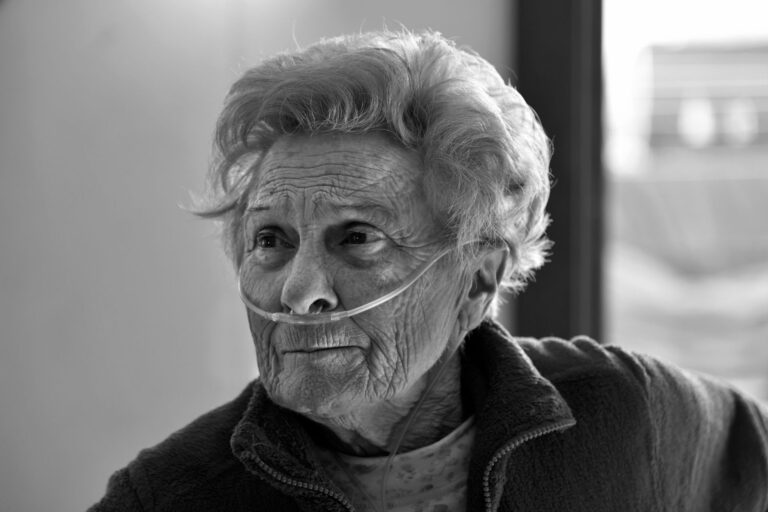
The 2026 WHO dementia guideline advises midlife adults to stop tobacco use and avoid hazardous and harmful alcohol use. Those two changes can lower the chance of cognitive decline and dementia later in life. Dementia causes loss of memory, thinking, and daily function. More than 57 million people live with dementia worldwide, with nearly 10 million new cases each year, according to UN News and WHO.
Medical information disclaimer: This article is for general educational purposes only and does not provide medical advice, diagnosis, or treatment. Always consult a physician or other qualified health professional about symptoms, medications, tests, or treatment decisions.
Official resources:
- Read the official notice from NIH — Use this primary source to verify the official announcement.
- Read the official guidance from Who — Use this primary source to verify the official guidance.
Table of Contents
- What does the tobacco advice cover?
- What does the alcohol advice cover?
- Why is quitting tobacco hard to sustain?
- What blocks alcohol reduction and what helps now?
What does the tobacco advice cover?
WHO released the second edition of Risk Reduction of Cognitive Decline and Dementia on 15 July 2026, updating its 2019 edition, according to the second-edition WHO guidance. The agency states up to 45 percent of dementia risk could be prevented or delayed by addressing modifiable factors. The guidance recommends stopping tobacco use.
Its evidence review notes smoking in middle life is more closely tied to dementia risk than smoking in older age, as reported in the Medical News Today summary of the guideline. The advice uses a life-course approach. It applies to adults without dementia, including those with normal thinking or mild cognitive impairment, according to the WHO executive summary. That makes the 40s through 60s a key window for quitting.
What does the alcohol advice cover?
The guideline recommends avoiding hazardous and harmful alcohol use. Cutting heavy drinking to moderate levels may lower risk, and abstaining for 6 to 12 months can improve cognition. Removing alcohol would prevent about 1 percent of dementia cases at the population level.
That share is small, but it matters for heavy drinkers in midlife. For readers, hazardous use means drinking that raises harm to health and thinking. Harmful use means drinking that has already caused health, mental-health, or daily-life harm.
Why is quitting tobacco hard to sustain?
Wanting to quit is common, but success is rare without help. Among 28.8 million U.S. adults who smoked in 2022, 67.7 percent wanted to quit and 53.3 percent tried, but only 8.8 percent quit, according to the CDC national analysis.
Use of proven support was low. Only 38.3 percent of those who tried used counseling or medication, and about half who saw clinicians received advice or assistance. The same CDC analysis points to access barriers behind that gap. It cites poor primary-care access, travel burden, lack of insurance, out-of-pocket costs, and cessation-medication recalls and shortages, with heavier effects for rural and low-income adults.
What blocks alcohol reduction and what helps now?
Most people with alcohol use disorder do not receive care. Only 2.2 million U.S. adults with past-year alcohol use disorder, or 7.8 percent, received alcohol treatment in the past year under 2023 national survey data, according to NIAAA treatment data.
Low treatment use leaves many midlife drinkers to cut back alone. Stigma, cost, limited screening, and few referral options can delay help until memory or health problems grow. Practical next steps can narrow the gap: There is no cure for dementia. Risk reduction lowers probability without guaranteeing prevention for any person, according to WHO and UN News.
- Ask primary care about quit counseling, quit medication, and alcohol counseling or referral.
- Plan a quit or cut-back date, track use, and seek follow-up visits.
- Use community, mental-health, or brain-health services when primary care is hard to reach, in line with WHO support for integrated prevention.
You Might Also Like
- Social Connection in the 2026 WHO Dementia Guideline: Access and Adherence Barriers for Adults in Midlife
- High Cholesterol in the 2026 WHO Dementia Guideline: Access and Adherence Barriers for Adults in Midlife
- Unpaid Dementia Care Costs in the 2026 NIA Summit Report: Cost and Access Questions for Working Dementia Caregivers