Track minutes practiced, days you continue playing, and working-memory scores every few months. A simple weekly log plus a repeat memory check at six months shows whether practice is holding. Working memory means holding and using information for a short time, like following spoken instructions. In midlife this skill supports planning, driving, and work tasks.
Medical information disclaimer: This article is for general educational purposes only and does not provide medical advice, diagnosis, or treatment. Always consult a physician or other qualified health professional about symptoms, medications, tests, or treatment decisions.
Table of Contents
- What should you log each week
- How often should you retest memory
- Does instrument choice change what you track
- What benefits can you reasonably expect
What should you log each week
Follow a steady practice rhythm you can sustain. In the Geneva trial design, retirees took one-hour weekly classes plus about 30 minutes of daily homework, with baseline and six-month checks of brain scans and auditory working-memory tests, according to the University of Geneva trial summary.
Use the same model at home with a paper notebook or phone note. Record the pieces you played, total minutes, and missed days.
- Minutes played each day and total for the week
- Weeks continued without a long break
- Sleep quality the night before practice
- Simple working-memory scores, such as recall of short word lists
How often should you retest memory
Retest the same short memory task every three to six months. Keep the task fixed so change reflects performance, not a new test.
Continuation matters more than one good week. In a four-year follow-up of 53 adults who started training around age 73, those who kept playing preserved verbal working-memory scores and right-putamen gray-matter volume, while those who stopped declined, according to Kyoto University research news. Mark your log as continued, paused, or stopped.
Does instrument choice change what you track
Playing an instrument links most closely with working memory and executive function. Executive function means planning, switching tasks, and blocking distractions.
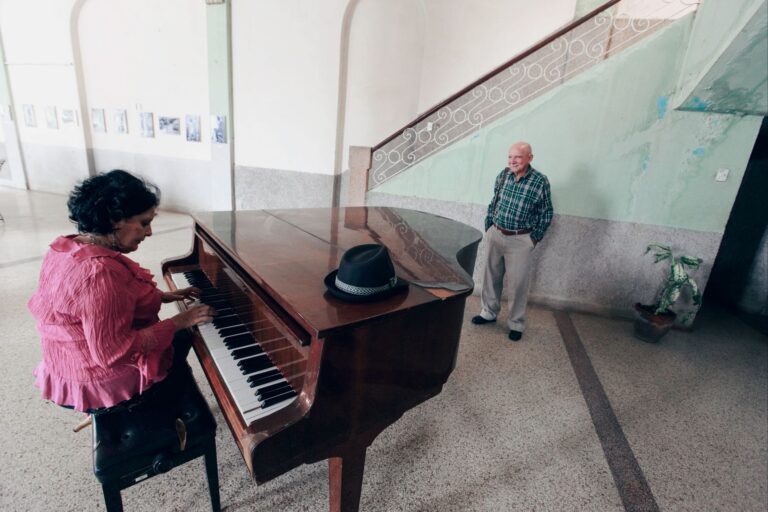
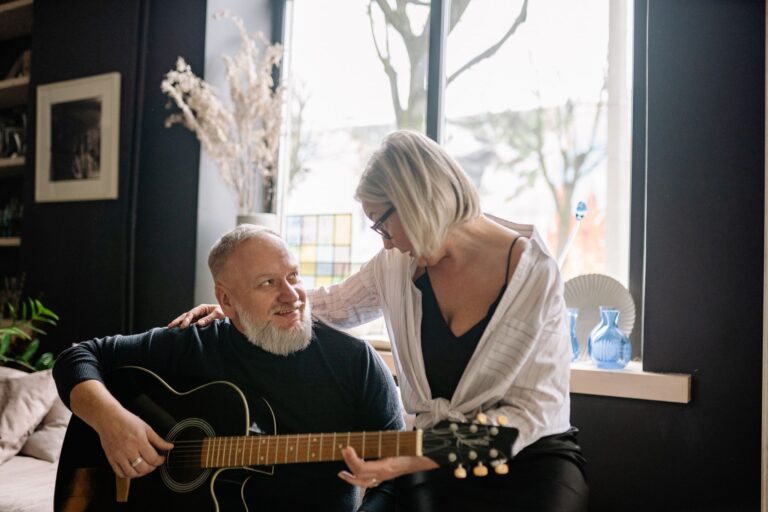
In the UK PROTECT cohort of 1,107 adults over 40, with mean age 68, playing an instrument was linked with better working memory and executive function, piano showed the strongest link, and singing was linked with better executive function, according to the International Journal of Geriatric Psychiatry study record. If you play piano, track timing accuracy and new pieces learned. If you sing, track parts learned and breath control.
What benefits can you reasonably expect
Expect better routine, mood, sleep awareness, and focus during practice. The National Center for Complementary and Integrative Health states that music interventions may reduce depressive symptoms and improve well-being and quality of life in cognitive impairment or dementia, according to the NCCIH music and health guidance.
Do not use a home log to diagnose memory loss. Bring your practice minutes and score dates to your next primary-care visit if scores fall for two checks in a row.