Simplify watercolor painting for one-on-one dementia care by pre-sketching a flower, offering thick-grip brushes and water-based paints, and guiding one step at a time. One-on-one dementia care means one caregiver sits with one person with dementia, giving calm, personal help.
Watercolor uses water to spread color on paper, so cleanup stays light. The Fondation Médéric Alzheimer art-therapy sheet names watercolor as a good medium for mild-to-moderate dementia, one-to-one or with a family caregiver Fondation Médéric Alzheimer art-therapy sheet. The Alzheimer's Association describes art projects as sources of accomplishment and purpose with room for self-expression.
Medical information disclaimer: This article is for general educational purposes only and does not provide medical advice, diagnosis, or treatment. Always consult a physician or other qualified health professional about symptoms, medications, tests, or treatment decisions.
Table of Contents
- What setup makes painting easier?
- How do you guide without taking over?
- What does a calm short session look like?
- What benefits and limits should you expect?
What setup makes painting easier?
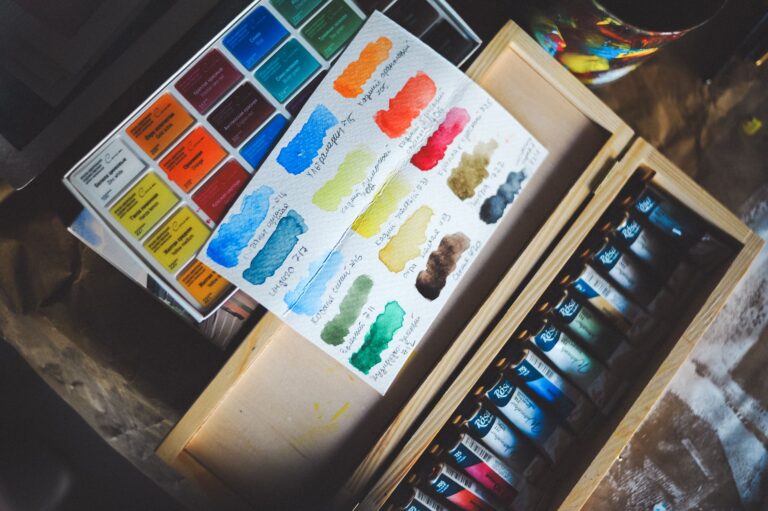
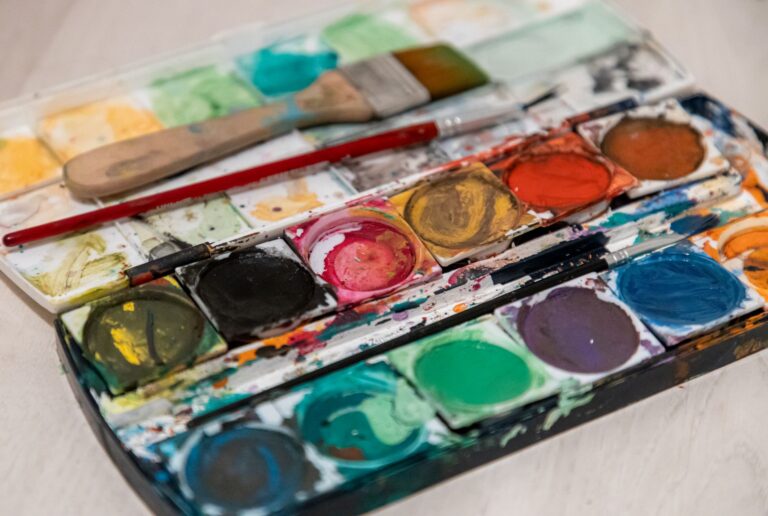
Start with paper and tools that forgive shaky hands. The Alzheimer's Society UK, updated 23 September 2026, recommends large paintbrushes with grips for limited mobility and water-only Aquapaints that reveal colour with water Alzheimer's Society painting ideas. Aquapaints avoid mess while preserving a sense of achievement. HelpDementia.com guidance stresses non-toxic washable supplies because objects may be mouthed.
It also points to foam-handled brushes, non-spill cups, pre-cut materials, and large paper. Lay out only what the picture needs. Memory-care art volunteer Roselyn Halvorson, writing 3 Oct 2025, advises pre-sketching a flower to fill and offering sponges and Q-tips. A simple outline lowers fear of a blank page. Keep water shallow and paper taped down.
How do you guide without taking over?
Match the task to present ability, not past skill. The National Institute on Aging advises caregivers to match activities to ability, help the person start, and break tasks into one or two steps National Institute on Aging activity guidance. Watch for frustration and let watching count as joining. Co-create the picture without taking the brush.
The Fondation Médéric Alzheimer sheet says the work should be co-created without the caregiver taking over. For hand help, Halvorson suggests dipping the brush, then placing it in the person's hand. Keep talk adult and kind. The Alzheimer's Association frames art as accomplishment and purpose with room for self-expression, even after dementia progresses. Name colors, praise effort, and discuss the finished work.
What does a calm short session look like?
Aim for 15 to 20 minutes at a calm time of day. HelpDementia.com points to short 15-20 minute sessions to protect independence and ease cleanup. Repeat at a similar daily time, as the National Institute on Aging advises.
Set one small goal for today, such as filling one petal. Say each move in plain words and wait. If frustration rises, simplify or pause. The National Institute on Aging notes watching can count as participation, so let the person look while you paint a stroke.
- Place pre-sketched flower, one color, and water cup within reach.
- Dip brush, hand it to painter, guide one stroke.
- Pause, notice color, ask about next choice.
- Stop while mood is good, dry and display page.
What benefits and limits should you expect?
In a 2025 Scientific Reports trial, 78 patient-caregiver pairs joined twice-weekly art-plus-storytelling for 12 weeks with caregivers present. Compared with social contact, the art group showed lower behavioral symptoms, agitation, apathy, caregiver distress and burden Scientific Reports trial via PMC. Gains were still present at 24 weeks. Art works best as part of broader dementia care, not alone.
The HelpDementia.com evidence review gives strongest support to mood, quality of life and caregiver experience. Support for cognition or agitation is only moderate. Save one finished flower and date it. Bring it out next time as a starting point for talk.