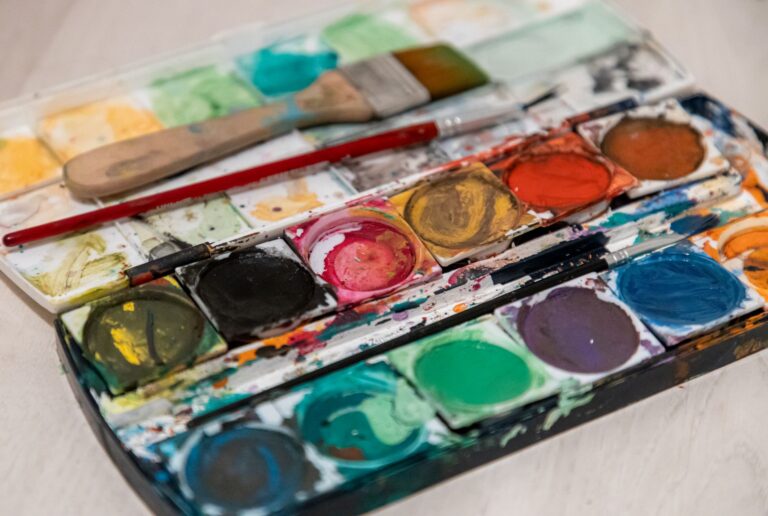
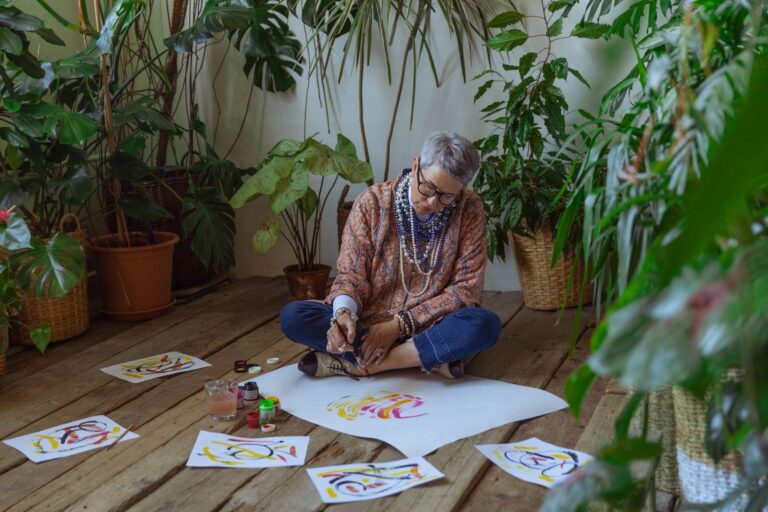
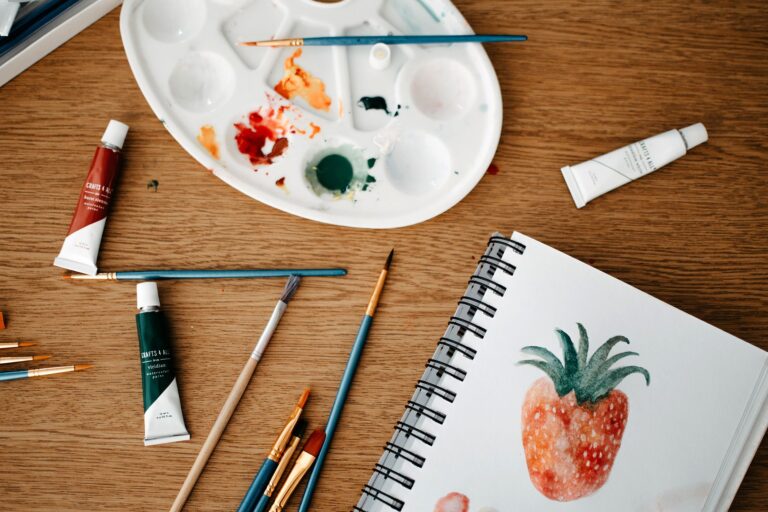
When watercolor loses its appeal, memory care groups can switch to music, gardening, reminiscence, calligraphy, and other hands-on art activities. Memory care groups are structured activity sessions for people living with dementia.
Art projects can still build a sense of accomplishment and purpose and allow self-expression after dementia has progressed, according to the Alzheimer's Association's art and music guidance. The goal is not a finished painting. The goal is participation that fits current abilities and interests.
Medical information disclaimer: This article is for general educational purposes only and does not provide medical advice, diagnosis, or treatment. Always consult a physician or other qualified health professional about symptoms, medications, tests, or treatment decisions.
Table of Contents
- How do you know when to switch?
- What music and movement options engage groups?
- What calm hands-on activities replace painting?
- What does the research say about art-based options?
How do you know when to switch?
Watch for pushback, restlessness, shortened attention, or frustration with brushes, water, and cleanup. These signs often mean the task demands too many steps, not that the person dislikes art.
Match the activity to what the person can do now, help them start, and watch for frustration during the task, according to National Institute on Aging guidance on adapting activities. Simply watching also counts as valid participation. Offer a simpler role before you drop the session.
- Start the first step together so no one faces a blank page alone.
- Trade small brushes and water cups for larger tools or drier materials.
- Let a participant watch, hold materials, sort colors, or comment.
- Stop early if frustration rises and try a different sense or pace.
What music and movement options engage groups?
Play familiar songs, talk about the singer, sing together, dance, or attend a concert. The National Institute on Aging lists these music and dancing options as ways to prompt conversation and movement. Use one familiar song to open the group. Ask who remembers the artist or where they first heard it.
Clap, sway, tap feet, or pass simple rhythm instruments. Keep volume moderate and choices familiar. One person may sing while another only listens and smiles. Both forms of joining support connection without fine-motor demands.
What calm hands-on activities replace painting?
Care for indoor or outdoor plants, plant flowers and vegetables, water together, and talk about growth. The National Institute on Aging lists these gardening actions as calming and purposeful. Set up a small station with soil, pots, and sturdy plants. Participants can fill pots, pat soil, water, wipe leaves, or smell herbs.
Talk about colors, textures, and what is sprouting. Rotate materials by season and ability. Dried flowers, pinecones, fabric scraps, collage paper, clay, and large crayons keep hands busy without water spills. Short, finished tasks protect dignity when longer projects cause fatigue.
What does the research say about art-based options?
A 2023 Frontiers in Psychiatry network meta-analysis of 39 randomized trials with 2,801 dementia participants found calligraphy and reminiscence therapy improved cognition compared with usual care, as reported in the 2023 network meta-analysis. A 2025 systematic review of 26 randomized trials reported that art-based interventions improved global cognition and reduced neuropsychiatric symptoms in older adults with dementia. These findings describe group averages, not a promise for each person. Benefits depend on fit, guidance, session length, and dementia stage. Choose activities the group can follow now, then adjust.
Formal art therapy is distinct from casual group crafts. The American Art Therapy Association defines it as a mental-health profession that uses active art-making, creative process, psychological theory, and a therapeutic relationship. A 2018 Cochrane review found only two eligible dementia trials with 60 participants total, rated the evidence very low, and called for larger high-quality studies, according to the Cochrane review record. For daily memory care, treat art as engagement and expression first. End while energy is still positive and note what held attention for next time.