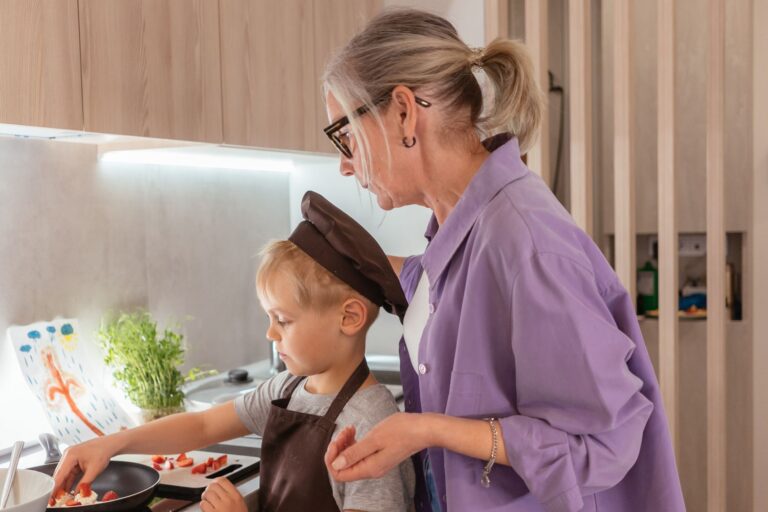
Adapt no-cook food preparation for dementia home care by serving small, easy-to-hold finger foods that need no heating. No-cook preparation means foods are washed, portioned, and served ready to eat without using a stove or oven. This approach supports independence when utensils become hard to use. It also lowers heat and timing stress for the caregiver at home.
Medical information disclaimer: This article is for general educational purposes only and does not provide medical advice, diagnosis, or treatment. Always consult a physician or other qualified health professional about symptoms, medications, tests, or treatment decisions.
Table of Contents
- Which no-cook foods support independent eating?
- How should the eating space look?
- What helps with low appetite and fluids?
- What safety steps matter most?
Which no-cook foods support independent eating?
Bite-sized finger foods work well because they need little handling. Good options include chicken pieces, tuna sandwiches, cheese cubes, and orange segments. The Alzheimer's Association recommends these ready-to-serve choices in its guide to food and eating.
Steamed broccoli or cauliflower pieces can also work when already tender and cut small. Switch to finger foods when the person refuses food or struggles with forks and spoons. MedlinePlus gives this advice in its dementia daily-care instructions.
How should the eating space look?
Make food easy to see. Use plain plates and placemats with strong color contrast against the food. Avoid patterned dishes and tablecloths because patterns can confuse a person with dementia.
A white plate for dark foods and a dark plate for light foods helps. Reduce noise and movement during meals. Avoid serving foods too hot or too cold, since extremes can cause refusal or discomfort.
What helps with low appetite and fluids?
Offer small amounts often rather than large meals. Useful choices include small sandwiches, pita-bread sandwiches, fresh fruits, fresh vegetables, cheese, and small chicken pieces. For ongoing weight loss, the National Institute on Aging advises adding high-calorie protein shakes or powders, according to its guide to late-stage Alzheimer's care.
Keep portions easy to pick up and replace uneaten food without pressure. Promote fluids with water and high-water foods such as melon cubes, orange segments, and grapes. Dehydration can worsen confusion, so steady sipping and juicy foods matter through the day.
What safety steps matter most?
Keep ready-to-eat foods cold and separate. Refrigerate cut fruit, dairy, deli meat, and cooked leftovers within two hours, or within one hour above 90 degrees.
Watch for coughing, pocketing food, or wet voice during meals. When swallowing difficulty is present, foods should be soft, tender, moist with no leaking liquid, and cut no larger than 1.5 cm by 1.5 cm. About 60 percent of people with dementia at home cannot routinely take part in eating or food preparation safely, so supervision remains important.
- Wash hands, fruit, and vegetables before prep
- Keep raw meat away from ready-to-eat foods
- Chill leftovers fast and discard food left out too long
- Cut pieces small before serving