Preventing patients from pulling at medical equipment requires a combination of environmental modification, behavioral redirection, and protective barriers tailored to the individual’s cognitive and physical abilities. The most effective approach is a layered strategy that addresses the underlying causes of the behavior—restlessness, discomfort, confusion about the equipment, or sensory seeking—rather than relying on restraints alone.
For example, a patient with advanced dementia who repeatedly pulls at an IV line may benefit from a combination of loose clothing that covers the site, keeping hands occupied with a textured object, and ensuring the tubing is secured out of the direct line of sight with soft cloth wrapping. Understanding that this behavior is a form of communication or response to discomfort, rather than intentional defiance, changes how caregivers approach prevention. The goal is to make the equipment as unobtrusive and inaccessible as possible while maintaining the patient’s dignity and safety.
Table of Contents
- Why Do Dementia Patients Pull at Medical Equipment?
- Environmental Modifications to Reduce Access and Awareness
- Behavioral Redirection and Environmental Enrichment
- Protective Devices and Physical Barriers
- Equipment-Specific Strategies for Common Devices
- Monitoring, Assessment, and Early Intervention
- Care Team Communication and Family Involvement
Why Do Dementia Patients Pull at Medical Equipment?
Patients with dementia pull at medical equipment for several reasons, and identifying the specific trigger is essential for effective prevention. In early-stage dementia, pulling may result from confusion about what the equipment is or fear that it poses a threat. A patient might see an IV line as a foreign object that doesn’t belong on their body and instinctively try to remove it.
In later stages, the behavior often reflects an inability to understand the equipment’s purpose or to communicate discomfort, pain, or the need to use the bathroom. Restlessness and agitation are common in dementia, particularly during certain times of day known as “sundowning,” and patients may pull at equipment as a way to manage that agitation or to self-soothe through repetitive motion. Sensory-seeking behavior is also a factor—some patients are drawn to textures and may repeatedly tug at tubing or tape simply because the sensation is stimulating or comforting. A patient in a hospital bed with a urinary catheter might pull at it not because they understand it is a catheter, but because the tubing feels interesting to their hands.
Environmental Modifications to Reduce Access and Awareness
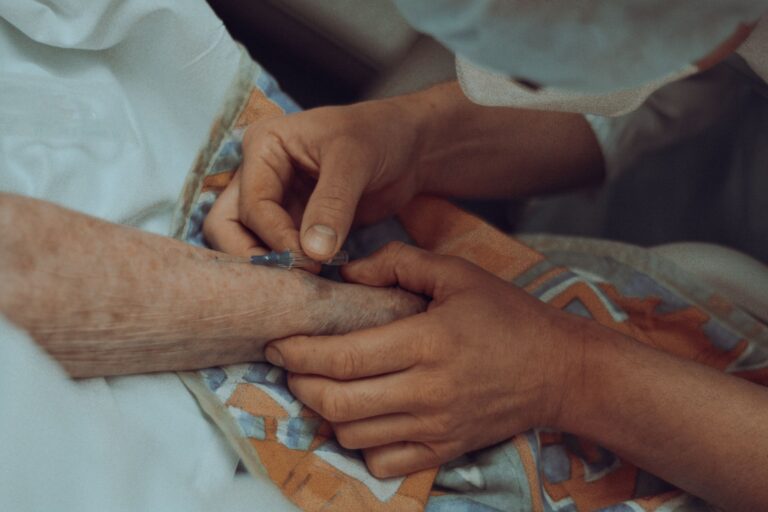
The most straightforward prevention strategy is to make equipment as physically inaccessible as possible without compromising its function. This means routing tubing behind the patient, securing it to clothing or bedding rather than leaving it exposed on the skin, and using loose, long-sleeved clothing or soft sleeves that cover attachment sites. If an IV is in the arm, a lightweight long-sleeved shirt or a soft wrap around the forearm can reduce the visual and tactile cues that draw the patient’s attention. Catheters can be taped to the inner thigh or abdomen and covered with loose pants or a blanket, rather than left visible.
A critical limitation of environmental modification alone is that a determined patient will often find the equipment anyway, especially if they are mobile or have good fine motor skills. Patients who are agitated or in pain may push past barriers to reach tubing. Additionally, some modifications—such as heavily wrapping an IV site or obscuring a monitor—can make it harder for staff to observe the equipment for complications like infiltration or disconnection. The balance between concealment and observation must be maintained, which sometimes means accepting a higher level of vigilance from caregivers rather than relying on physical barriers alone.
Behavioral Redirection and Environmental Enrichment
Redirecting attention is one of the most underutilized prevention strategies in dementia care. When a patient begins reaching for or focusing on medical equipment, offering an alternative activity or object can interrupt the behavior before it escalates. This works best when the alternative is engaging and matches the patient’s sensory preferences. A patient who pulls at tubing might respond well to holding a soft blanket, a fidget object with varied textures, or even their own hands if you gently guide them to clasp their hands together.
Environmental enrichment—such as soft music, familiar family photos, or a window view—can reduce agitation and the urge to pull at equipment. Keeping the patient’s immediate environment calm, with minimal alarms or sudden noises that startle them, also reduces stress-related pulling. In one long-term care setting, introducing a therapy dog’s visit reduced pulling behavior in several patients during the visit and for hours afterward. However, redirection requires consistent one-on-one attention or frequent caregiver monitoring, which is resource-intensive in busy hospital or care settings and may not be sustainable for all patients, particularly those with severe agitation.
Protective Devices and Physical Barriers
When the patient will not wear loose clothing or when the equipment must remain visible, protective devices can provide a barrier between the patient’s hands and the equipment. Soft mittens or hand covers, sometimes called “fuzzy mittens,” can reduce the patient’s ability to grasp tubing firmly, though they may become frustrated and remove them or pull even harder. Splints or arm supports that limit wrist movement are more effective at preventing pulling but can restrict the patient’s freedom of movement and may increase agitation if they feel constrained.
For specific equipment, customized solutions exist. Catheter anchors designed to secure the tubing close to the skin and out of reach, transparent dressings that secure IV sites, and clip-on covers for monitor leads can all reduce the appeal of pulling. IV boards that immobilize the arm at the insertion site are highly effective but come with the serious trade-off of reducing the patient’s ability to move their arm freely and can lead to skin breakdown if left in place too long without skin checks. Comparison data from one hospital system showed that patients using soft arm wraps (which they could still remove) had an 80% pulling rate, while patients with rigid IV boards had a 15% pulling rate, but the board group had a 22% rate of skin complications over two weeks.
Equipment-Specific Strategies for Common Devices
Different medical devices present different challenges. For IV lines, the goal is to secure tubing close to the insertion site and use a splint or board only if necessary. Wrapping tubing with medical tape in a spiral pattern up the arm makes it harder to grasp and creates a visual deterrent. Feeding tubes inserted through the nose (NG tubes) are particularly prone to being pulled because they are visible in the patient’s line of sight and can feel uncomfortable or strange. Some patients pull NG tubes out deliberately or accidentally multiple times a day.
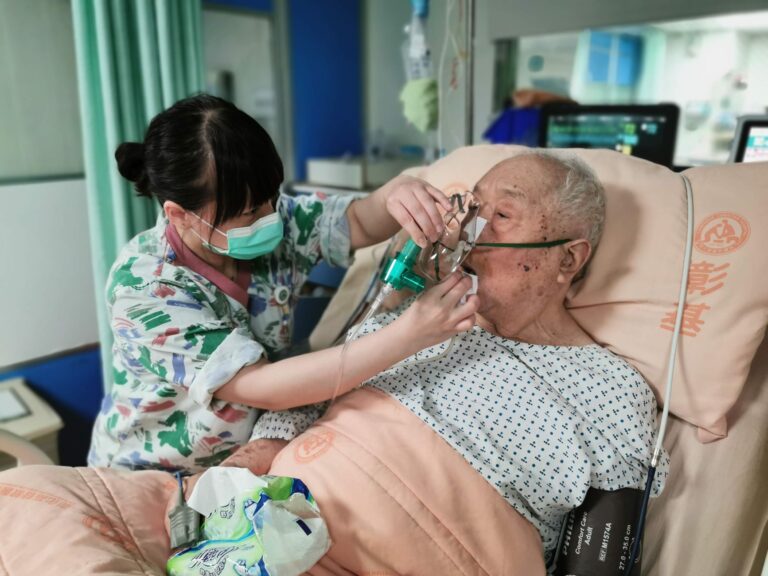
For these patients, using a tube holder that secures the tube to the forehead or cheek with adhesive, combined with a soft cap or tube plug, can help, though reintubation may be necessary if the tube is removed. Urinary catheters are often pulled because patients do not understand their purpose and may associate the discomfort of the catheter with the need to urinate. Securing the catheter to the abdomen or inner thigh with adequate tubing slack (to prevent tension and urethral injury if the patient does pull) is essential. A serious warning: never tie a catheter too tightly or use a restraint that allows no movement, as this can cause urethral laceration and severe bleeding. Oxygen tubing, monitor leads, and ventilator connections can be secured behind the patient’s ears or head using gentle tape and should be routed along the side of the bed rather than directly in front of the patient’s hands.
Monitoring, Assessment, and Early Intervention
Proactive monitoring allows caregivers to intervene before a pulling incident occurs. Recognizing the patient’s behavioral cues—restlessness, increased reaching, agitation, or repetitive hand movements—and responding with redirection or comfort measures can prevent many pulling episodes. Staff rounds should include a specific check of all medical equipment, looking not only for whether the patient has pulled at it, but for signs that they are about to—such as the patient’s eyes tracking the tubing or their hand moving toward it.
Assessing the patient’s pain level is critical, as pain is a major driver of pulling behavior. A patient with an infected urinary tract infection may pull at a catheter because of pain and urgency; treating the underlying infection often resolves the pulling. Similarly, a patient with an uncomfortable IV or feeding tube may pull at it as a way of expressing discomfort. Regular skin checks around all attachment sites help catch early signs of irritation or infection that might be fueling the behavior.
Care Team Communication and Family Involvement
Preventing pulling at medical equipment is more effective when the care team—nurses, aides, therapists, and family—all use the same strategies consistently. When one staff member uses soft mittens while another does not, or when a patient spends time with family who remove protective barriers, the prevention strategy becomes inconsistent and the patient becomes confused about which behaviors are acceptable. Documenting what redirection strategies work best for a specific patient (whether they respond to music, hand-holding, a specific toy, or an activity) and communicating this clearly through care plans and shift handovers is essential.
Family members can be trained to recognize the patient’s specific triggers and to reinforce prevention strategies during visits. Some families find it helpful to bring in familiar objects from home—a favorite blanket, a soft toy, or photos—that can serve both as environmental enrichment and as safe alternatives to pulling at medical equipment. In one dementia care unit, families were provided with a simple card listing their relative’s personal preferences and what to do if they began pulling at equipment; this simple communication tool led to fewer pulling incidents because visitors no longer accidentally triggered the behavior by drawing attention to equipment or removing protective barriers.