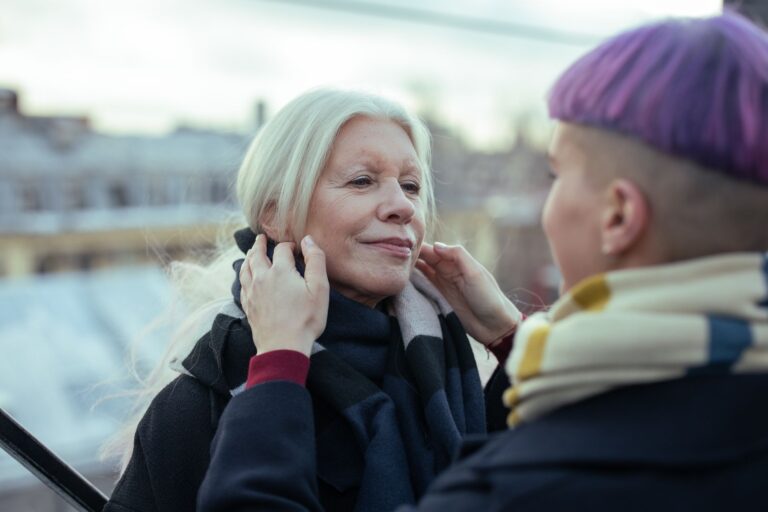
Plan the visit around familiar routines, the person's preferences, and a calm setting with extra time. If the barber shop becomes distressing, consider a home visit from a barber or hairstylist. A barber visit is not automatically unsafe for someone with dementia, but the best plan depends on comfort, communication, and the person's usual grooming habits.
Medical information disclaimer: This article is for general educational purposes only and does not provide medical advice, diagnosis, or treatment. Always consult a physician or other qualified health professional about symptoms, medications, tests, or treatment decisions.
Table of Contents
- Start With the Person's Familiar Routine
- Prepare the Barber and the Appointment
- Make Communication Calm and Simple
- Plan Around Washing, Drying, and Sensory Needs
- Know When to Pause or Change the Plan
- Frequently Asked Questions
Start With the Person's Familiar Routine
When possible, keep the person's established barber or salon routine. The Alzheimer's Association recommends continuing familiar beauty-shop or barber visits because familiar places and people may make grooming easier. Alzheimer's Association guidance on dressing and grooming ask the usual barber whether they can schedule the person during a quieter period.
Explain that the person may need slower instructions, more time, or breaks. Keep the person's preferred hairstyle, products, scents, and appearance choices. These choices can reflect religious, cultural, sentimental, and personal identity. Change them only when safety requires it.
Prepare the Barber and the Appointment
Tell the barber what helps the person feel comfortable. Share how the person prefers to be addressed, whether they dislike water or noise, and which parts of grooming may cause concern. Bring a photograph of the person's preferred hairstyle.
The Alzheimer's Society identifies photographs as useful prompts for remembering preferred hair and appearance. Alzheimer's Society guidance on personal grooming Allow extra time and avoid rushing. Rushed grooming can increase anxiety and frustration for a person with Alzheimer's disease.
- Book a longer appointment if possible.
- Choose a quiet, low-distraction time.
- Bring familiar grooming products when appropriate.
- Plan a break if the person becomes tired or uncomfortable.
Make Communication Calm and Simple
A quiet setting can help because people with Alzheimer's may have difficulty blocking out background noise. The barber should use eye contact, a warm manner, simple yes-or-no questions, and enough time for the person to respond. National Institute on Aging guidance on communicating with someone who has Alzheimer's Offer one step at a time.
For example, the barber might explain that they will trim the sides before moving to the back. Avoid correcting or arguing if the person misunderstands an instruction. The caregiver can remain nearby if that reassures the person. Watch for signs of discomfort, including pulling away, repeated questioning, tense body language, or increasing agitation.
Plan Around Washing, Drying, and Sensory Needs
Hair washing may be confusing or upsetting for some people with dementia. Ask whether the person normally tolerates washing at the shop and whether they prefer familiar products. Hairdryers can create distress through loud noise or hot air.
Depending on the person's response, towel-drying, gentle familiar products, or a no-rinse option may work better. Alzheimer's Society guidance on supporting washing and dressing Do not assume that a complete shampoo, cut, and blow-dry must happen in one visit. A shorter trim may be a better choice if washing or drying causes distress.
Know When to Pause or Change the Plan
If the person becomes distressed, pause the service rather than forcing it. Check basic comfort needs such as pain, hunger, thirst, fatigue, infection, or skin irritation. Sudden agitation may warrant contacting a clinician.
Alzheimer's Association guidance on anxiety and agitation A home visit can be a practical fallback when the shop becomes too upsetting. The National Institute on Aging notes that some barbers or hairstylists make home visits. However, home grooming is individualized guidance, not proof that every person with dementia will tolerate it better.
Frequently Asked Questions
Should I change the person's usual hairstyle?
Usually, follow the person's established hairstyle, products, scent preferences, and appearance choices unless safety is at risk.
What if the person refuses the haircut?
Pause rather than force the service. Check for pain, thirst, hunger, fatigue, infection, or skin irritation, then try again later or consider a home visit.
Is a home barber visit always better?
No. It may help when the shop causes distress, but each person responds differently to the setting.