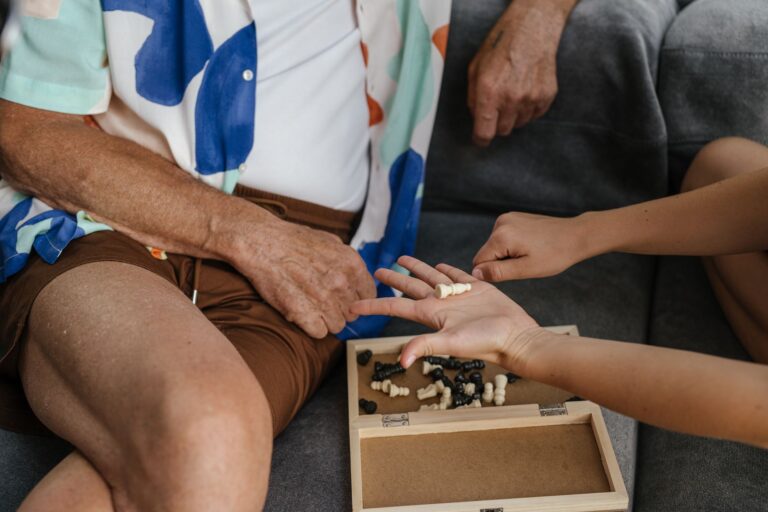
End a game while the mood is still good by stopping early, staying calm, and guiding the person to a pleasant next activity. A short, positive session protects dignity better than a long session that ends in frustration. Dementia means ongoing loss of memory, thinking, and daily skills. That loss makes transitions hard, so the ending needs the same care as the game itself.
Medical information disclaimer: This article is for general educational purposes only and does not provide medical advice, diagnosis, or treatment. Always consult a physician or other qualified health professional about symptoms, medications, tests, or treatment decisions.
Table of Contents
- Stop before frustration builds
- Use a calm close that validates feelings
- What if the person protests or wants to continue?
- Offer a familiar next activity
Stop before frustration builds
Watch the person, not the clock or the score. Look for fidgeting, sighing, withdrawing, repeated mistakes, or a flat stare. HTR Care advises quitting before frustration peaks, since a positive 10-15 minute session helps more than a longer one ending in distress, as explained in HTR Care's guide to games for dementia patients.
Plan the exit when you start. Choose a natural pause, such as finishing a puzzle section or one card round. Care staff should watch continuously for discomfort or anxiety during late-stage activities and stop at once if distress appears. A quick stop is kind, not rude.
Use a calm close that validates feelings
Use validate-then-redirect. Acknowledge the feeling, offer reassurance, then invite help with a clear next task such as folding towels.
Alzheimer's San Diego, summarizing the Alzheimer's Association, describes this validate-then-redirect close for compassionate communication in its dos and don'ts for dementia communication. Keep your voice low, slow, and warm. Listen to concerns without raising your voice or brushing feelings aside.
- Say what you see: "You are enjoying this."
- Thank them: "I loved playing with you."
- Name the next step: "Let's get some music and a snack."
What if the person protests or wants to continue?
Do not argue, correct, or use logic to win the moment. Memory loss can erase your last explanation, so repeating it often raises tension. The Alzheimer's Association advises against arguing when the person protests for this reason.
Stay beside them instead of looming over the table. Offer a choice between two pleasant options. Try, "We can finish here or play one last turn, then tidy up together." Let them hand you pieces, stack cards, or close the box. Helping tidy up gives closure and a valued role.
Offer a familiar next activity
Move attention to something calming and familiar. Good options include a short walk, favorite music, photos, a snack, or a simple hands-on task. The U.S. Department of Veterans Affairs Dementia Caregiver Support program recommends redirecting to an enjoyed calming activity rather than forcing play to continue in its guide to managing dementia-related behaviors.
Keep the bridge short. Walk together to the kitchen, start the music, then sit down with the drink. Allow rest between activities. A successful activity may last only a few minutes, so simplify the game next time if endings stay hard.