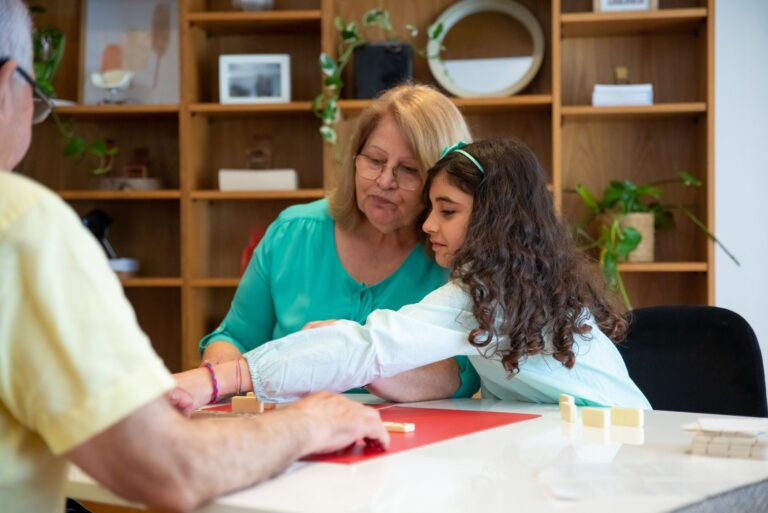
Sorting games are simple matching tasks caregivers can add to memory-loss routines. The person groups familiar objects by color, shape, size, or suit to stay focused and engaged.
Sorting here means placing one mixed set into clear piles. Caregivers can use playing cards, buttons, coins, beads, blocks, or utensils. The activity takes little setup and fits at a table or kitchen counter.
Medical information disclaimer: This article is for general educational purposes only and does not provide medical advice, diagnosis, or treatment. Always consult a physician or other qualified health professional about symptoms, medications, tests, or treatment decisions.
Table of Contents
- What can you sort today?
- How do you fit sorting into a routine?
- How do you adjust as ability changes?
- What help can sorting give, and what are the limits?
What can you sort today?
Start with objects the person already knows. According to Visiting Angels, caregivers can ask a person to sort playing cards by suit or color in its guide to games for dementia patients. The same approach works for buttons, coins, beads, blocks, or utensils sorted by color, shape, or size.
Pick items that are safe to handle and easy to see. Use large buttons, large beads, or full-size cards rather than small coins. Offer two piles first, then add more piles as skill allows.
How do you fit sorting into a routine?
Link sorting to a steady time and place. The National Institute on Aging advises caregivers to schedule enjoyed activities at a similar time each day in its guide to adapting activities for people with Alzheimer's disease.
The same source advises matching the task to current ability, helping the person start, and checking whether supervision is needed. Keep the setup the same so the task feels familiar. Try this pattern:.
- Choose one table spot with good light and few distractions.
- Place two labeled trays or bowls for the first sorts.
- Help with the first three pieces, then let the person continue.
- Stop while the mood is still positive.
How do you adjust as ability changes?
Watch hands, eyes, and mood rather than speed or score. Sorting draws on procedural memory, which tends to persist longer than other memory types. That habit-like memory helps many people keep sorting even when names and recent events fade.
Make the task simpler when steps get confused. Use fewer piles, larger differences in color or size, and shorter sessions. Household sorting can help too, such as folding laundry, washing dishes, and sorting socks.
What help can sorting give, and what are the limits?
Cognitive stimulation probably gives small benefits in thinking and remembering for mild-to-moderate dementia, according to the Cochrane review of cognitive stimulation for dementia. The review also notes probable slight gains in well-being, mood, and daily abilities, with effects varying widely across studies.
Stimulation does not cure dementia. Simplify tasks over time, stop if frustration appears, and aim for feeling successful and having fun.