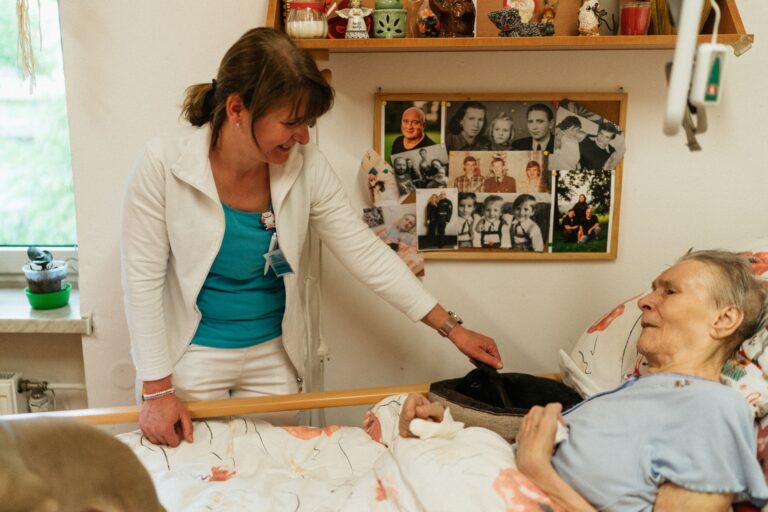
Dividing dementia caregiving work fairly requires intentional planning, honest communication, and a willingness to adjust roles as the disease progresses. Rather than assuming one person will shoulder the burden, families who succeed at fair distribution establish clear responsibilities from the start, acknowledge different family members’ available time and skills, and rotate or share difficult tasks so no single caregiver faces burnout.
For example, one sibling might handle medical appointments and medication management, another manages finances and insurance, a third arranges meal preparation and household cleaning, and everyone contributes to direct hands-on care according to their location and availability—with periodic reviews to ensure the arrangement remains sustainable. Fair division is not about equal effort split three or four ways. It’s about distributing the actual work based on what each person can realistically do, while recognizing that dementia care is relentless and no arrangement will feel perfectly balanced forever.
Medical information disclaimer: This article is for general educational purposes only and does not provide medical advice, diagnosis, or treatment. Always consult a physician or other qualified health professional about symptoms, medications, tests, or treatment decisions.
Table of Contents
- Why Dementia Caregiving Requires Deliberate Responsibility Distribution
- Assessing Capacity: Time, Skills, and Proximity
- Creating a Specific Care Plan with Named Responsibilities
- Navigating Money and Hidden Costs
- The Pitfalls of Informal Arrangement Shifts
- Addressing Conflict Over Approach and Decision-Making
- Building in Respite and Preventing Isolation
- Frequently Asked Questions
Why Dementia Caregiving Requires Deliberate Responsibility Distribution
dementia caregiving is not like other family crises because it doesn’t end. A hospitalization might consume everyone‘s time for a week or two; dementia caregiving can consume someone’s time for five, ten, or fifteen years. This duration makes ad-hoc, informal responsibility-sharing unsustainable.
The person who initially steps up—often a daughter or spouse living closest—can rapidly become isolated, exhausted, and resentful when others don’t realize or underestimate the scope of what they’re managing. Without formal task division, one caregiver typically absorbs the most visible work: bathing, feeding, toileting, and transportation. Meanwhile, other family members remain largely unaware of the administrative and emotional labor happening behind the scenes—medication tracking, appointment scheduling, financial management, insurance appeals, and the constant mental load of surveillance and worry. When a family defines roles early, they avoid the common dynamic where one person becomes “the caregiver” and others become “helpers,” a distinction that often reinforces guilt rather than mutual responsibility.
Assessing Capacity: Time, Skills, and Proximity
Every family member brings different resources to caregiving. Proximity matters enormously—the person living in the same home or a few minutes away will inevitably handle more hands-on tasks than someone two states away. Honest assessment of capacity prevents resentment: if a daughter works sixty hours a week and travels frequently for her job, expecting her to attend every medical appointment is unfair, even if she has professional medical knowledge that could help. Meanwhile, a retired son living thirty minutes away might commit to transportation and meal coordination but not overnight care. Skills matter too, but family members often overestimate how much.
A son who is “good with money” can manage finances, but a daughter without accounting expertise can still track medications and coordinate in-home services. The initial division should leverage obvious strengths—if someone is a nurse, they might take the lead on medical monitoring—but should also distribute unsexy tasks fairly. Proximity often forces people into disproportionate work. A common pattern: siblings in other states express love and concern by phone, while the local sibling spends weekends cleaning, coordinating services, and managing crises. After a year or two, the local sibling’s resentment can become severe enough to damage family relationships.
Creating a Specific Care Plan with Named Responsibilities
A written care plan lists specific tasks and assigns them to specific people. Rather than vague commitments (“we’ll all help”), a plan specifies: Sarah handles weekday medical appointments and medication oversight. Marcus arranges and pays for household cleaning and meal services. James manages finances and insurance. Everyone participates in Sunday visits. Sarah will contact the others if an urgent decision is needed; otherwise, weekly phone updates keep everyone informed.
This clarity eliminates the constant, exhausting negotiations that drain caregiving relationships. A task list also makes it visible when someone is genuinely overloaded—if one person has fifteen tasks and another has three, the imbalance becomes obvious and can be corrected. The plan should include backup: if Sarah gets sick or has a crisis at work, who covers her medical appointments? Planning this in advance prevents the default decision (Marcus or James reluctantly dropping everything at the last minute) from becoming the standard arrangement. Real-world example: A family of four adult children agreed that the daughter closest to their father would manage daily care and appointments, but they collectively hired a part-time aide three days per week so the daughter wasn’t alone. The other three siblings each took financial responsibility for one of those aide days, scheduled monthly respite weekends in rotating order, and managed specific one-time tasks like researching long-term care facilities or updating legal documents. This structure prevented the closest daughter from becoming isolated while ensuring everyone contributed.
Navigating Money and Hidden Costs
Many families stumble on financial responsibility because they assume someone will “handle it” or that costs are minor. Dementia care is expensive: medications, specialists, in-home aides, adult day programs, eventually assisted living or memory care facilities. Even families with insurance find significant out-of-pocket expenses. Clarify early who pays for what. Will the person with dementia fund their own care from savings and Medicare? Will adult children contribute? Will one sibling manage bills and seek reimbursement from others, or will costs be split automatically? A common fair approach is for the person with dementia to pay their share from their own resources, and for adult children to split remaining costs equally.
An alternative approach places financial responsibility on the person with the most time capacity—if one daughter is providing most direct care and sacrificing work opportunities, perhaps the others contribute more financially. The limitation: Some families contain members with vastly different financial resources. If one sibling is wealthy and another is not, equal cost-splitting can feel unfair in both directions—the wealthy sibling resents “subsidizing,” while the struggling sibling feels guilty or ashamed. In these cases, families sometimes use percentage-of-income formulas or acknowledge that the less wealthy sibling contributes more time and the wealthier one contributes more money. These conversations are uncomfortable but far better than simmering resentment masked by pretending money isn’t a problem.
The Pitfalls of Informal Arrangement Shifts
Early-stage dementia might require three hours of weekday support and active money management. Middle-stage might require someone present during waking hours. Late-stage might require 24/7 physical care or residential placement. Many families create a reasonable division for the current stage but fail to update it as needs change, leading to creeping overload for whoever is doing most of the work. The person doing the most hands-on caregiving—often a spouse or daughter—bears the highest burnout risk, especially if they’re also maintaining employment or raising children.
They may not explicitly ask for help because they’re exhausted and don’t have the energy to coordinate, or because they worry that asking will burden siblings already stressed with their own lives. Meanwhile, siblings far away have limited visibility into the slow deterioration of the caregiver’s health and emotional state. A warning: If one caregiver shows signs of serious burnout—weight loss, depression, withdrawal, uncharacteristic anger—the family should treat this as urgent. Burnout is not a sign of weakness; it’s a predictable consequence of unsustainable caregiving loads. A regular review schedule—quarterly or at major disease progression points—prevents informal drift. At these reviews, the family revisits the care plan: Is the current division still working? Does the person with the most responsibility need support, or can tasks be redistributed? Are costs being managed fairly?.
Addressing Conflict Over Approach and Decision-Making
Dementia care creates decisions that family members often disagree about: Should the person with dementia continue driving? When should they move to assisted living? Is a certain medication worth the side effects? These disagreements become more fraught when combined with stress about labor division. A clear decision-making structure helps. Many families designate one person—often the person doing most direct care—as the primary decision-maker, with consultation from others.
Others use consensus for major decisions and defer to the person closest to the situation for day-to-day choices. A limitation: The person closest to the situation is also often the most exhausted, which can compromise their judgment. A spouse managing 24/7 care might resist moving to assisted living not because it’s truly the wrong choice, but because they’re terrified of losing purpose or worried about cost. In these situations, other family members have an obligation to offer honest perspective, not just compliance.
Building in Respite and Preventing Isolation
Even perfectly divided tasks fail if no one prioritizes respite for the primary caregiver—the person or couple doing most direct care. Respite means scheduled time off: an adult day program so a spouse can have an afternoon free, a weekend sibling visit so a daughter can leave the house, or a hired aide who comes regularly so the caregiver can sleep, work, or simply sit quietly. Respite is not indulgent; it’s essential infrastructure for sustainable caregiving.
A concrete example: If a spouse is the primary daytime caregiver, perhaps a hired aide comes three afternoons per week, allowing the spouse to work, exercise, or rest. The couple’s children each cover one overnight weekend per month, sleeping at the house and managing 24-hour care so the spouse can stay elsewhere. This structure means the spouse has protected time—certain afternoon hours and certain weekends are known to be free, which allows planning and restoration. The alternative pattern—crisis-driven help only when the caregiver explicitly asks—burns out the primary caregiver far more quickly because there’s no guaranteed recovery time and asking always feels like failure.
Frequently Asked Questions
What if one family member refuses to help?
Acknowledge their refusal clearly and adjust your plan accordingly. Some families ultimately distribute care among those willing to participate, and sometimes this includes hiring aides or using adult day programs to fill gaps. Continuing to ask someone who has refused often breeds resentment on both sides.
Should the person with dementia be involved in planning the caregiving structure?
Early in the disease, yes—they may have preferences about who helps with what and can contribute perspective on their own needs. As cognitive decline progresses, this becomes less possible, but respecting earlier wishes when available is important. Late-stage dementia typically means the primary caregiver (spouse, closest adult child) makes decisions alongside medical providers.
Is it fair to hire help instead of relying on family?
Yes. Hiring aides, housecleaners, meal services, or adult day programs is not a failure of family love. It distributes responsibility beyond unpaid labor and can actually improve family relationships by preventing burnout and resentment. Family resources (attention, emotional support, decision-making) are irreplaceable; hired help supplements household tasks that family members can otherwise share.
What happens if the primary caregiver dies or becomes ill?
This is why backup plans matter from the start. If one sibling is doing 70 percent of the work, the others should already understand how to step in—which medical providers to contact, where medications are stored, basic care routines. Some families create a binder or shared document with this information; others do regular “shadow” visits where the backup caregiver accompanies the primary one. Crisis transfer is brutal; gradual familiarity prevents total collapse.