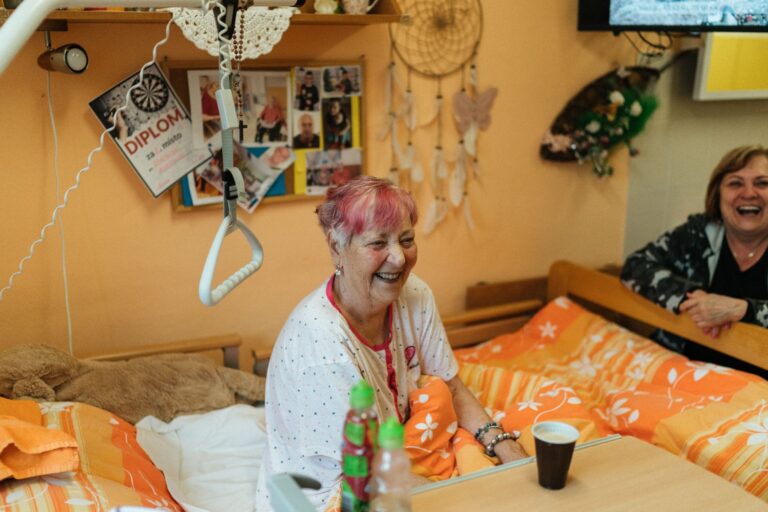
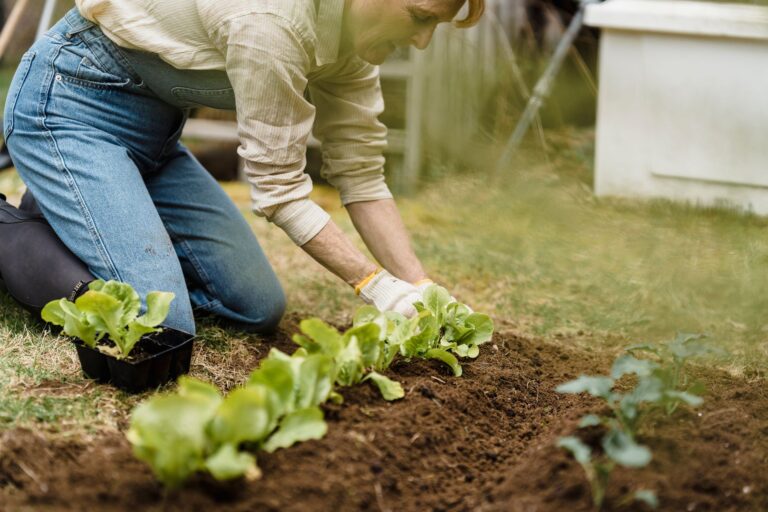
For one-on-one dementia care, adapt raised-bed gardening, growing in a framed box of soil, by matching one small task to current ability. Use an accessible bed or container in a safe shaded spot, stay beside the person, and keep the session short with water and rest.
The frame holds soil above ground level for easier reach. In a small skilled-care pilot, ten residents with dementia gardened at outdoor raised beds for one hour twice weekly over two months. Residents and caregivers reported purpose, physical activity and social connection, according to the IOS Press pilot report in the IOS Press pilot report.
Medical information disclaimer: This article is for general educational purposes only and does not provide medical advice, diagnosis, or treatment. Always consult a physician or other qualified health professional about symptoms, medications, tests, or treatment decisions.
Table of Contents
- What height and width work for seated gardening?
- What does a one-on-one session include?
- How do you keep the person safe?
- What limits should you plan for?
What height and width work for seated gardening?
University of Illinois Extension guidance sets wheelchair beds at 24 inches tall and no wider than 4 feet when reached from all sides in the Illinois Extension raised-bed guidance. Other guidance points to 2-3 feet high, with 1.5-2 feet wide for one-sided reach.
Two-sided beds run 3-4 feet wide, with about 30-inch forward reach and 27 inches often comfortable seated. Place the bed where a chair or wheelchair can pull close without leaning far. Check that the person can reach soil and plants with elbows slightly bent, then adjust seat height or bed choice.
What does a one-on-one session include?
Alzheimer's New Jersey advises matching gardening to current ability in small supervised steps. It can mean caring for indoor or outdoor plants and planting flowers and vegetables. Water when needed and talk about growth to support independence and enjoyment.
Watering raised beds and outdoor planters works well as a one-on-one activity, according to the University of Florida therapeutic-horticulture database. It adds outdoor time, sunlight exposure, sensory stimulation and enjoyable time with another person. Keep the sequence simple and repeatable:.
- Offer one tool or plant at a time and show the motion.
- Guide hand-over-hand only if welcome, then let the person continue.
- Pause for water, shade and talk about color, smell and growth.
How do you keep the person safe?
University of Florida plans make safety of the participant, care partner and group the priority, as detailed in its community gardening safety guide. They call for sun protection, water, wipes, gloves, clear physical boundaries, restroom planning and safety protocols. They advise care-partner accompaniment or small groups when elopement risk exists.
Dementia garden guidance for 1:1 work favors container or secured raised beds with continuous supervision. Avoid dangerous or sharp tools, use protective equipment, and avoid toxic, thorny or prickly plants. Keep paths, furniture and pots stable and within easy reach, following Home Care Assistance Huntsville and Alzheimer's Society UK advice.
What limits should you plan for?
Findings rest on small facility pilots, so effects vary by person. A 2025 therapy-garden pilot in a German dementia village also used raised beds. It let residents with physical limits garden actively while researchers studied well-being in daily life, according to the Journal of Neural Transmission report.
Schedule short shaded sessions with water and rest because older adults face higher heat, dehydration and fall risk. University of Nevada, Reno Extension, citing CDC, notes about 700 U.S. heat deaths yearly, as listed in its heat and fall safety publication. It also notes falls affect about one in four older adults, so stop early for shade, drink and steady footing.