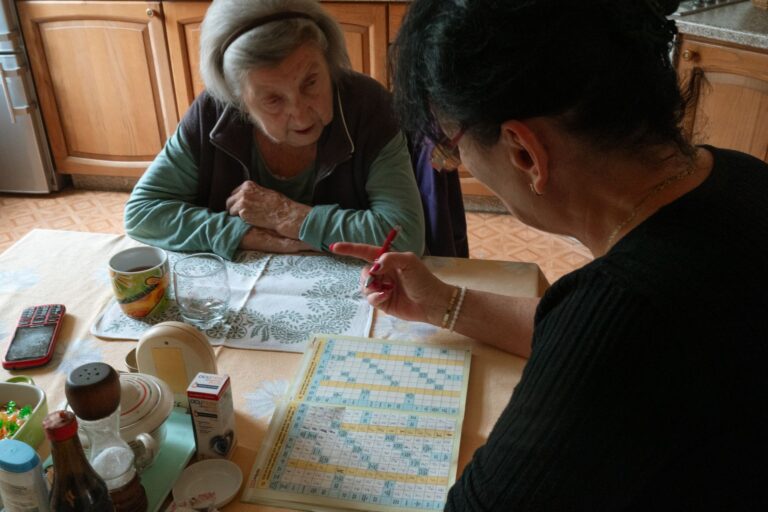
Common caregiver mistakes with eating too little in dementia home care are serving big meals in a noisy room, keeping a confusing table, and urging more bites when pain, mood, drugs, or swallowing trouble are the real cause. Eating too little means taking in too little food and fluid to hold weight and strength while caring at home for dementia, a condition that harms memory, thinking, and daily tasks. People in middle- and late-stage Alzheimer's often lose interest in food and develop uneven appetite. The Alzheimer's Association notes in its food and eating guidance that this pattern can lower nutrient intake and cause weight loss in home-care recipients.
Medical information disclaimer: This article is for general educational purposes only and does not provide medical advice, diagnosis, or treatment. Always consult a physician or other qualified health professional about symptoms, medications, tests, or treatment decisions.
Table of Contents
- Why does eating get harder?
- Are noise and large meals hurting intake?
- How should you simplify the table?
- When should you stop pushing and get help?
Why does eating get harder?
Memory loss can erase meals from the day. A person may forget to eat, forget how to start, fail to see food on the plate, or not know a fork or spoon. Caregivers sometimes mistake this for stubbornness and argue or correct.
Simple step-by-step prompts work better, with the caregiver showing each move. The Alzheimer Society of Canada describes in its mealtime guidance placing food on the utensil and modeling eating. Say one short action, wait, then show it yourself.
Are noise and large meals hurting intake?
A loud room pulls attention from the plate and lowers intake. Television, radio, phone ringers, and mobile alerts compete with hunger cues. Move meals to a quiet place and turn those sounds off before serving.
Sit nearby, stay calm, and keep talk brief during bites. Small, frequent meals and snacks also beat three large plates for a small appetite. A person who tires fast may finish a half sandwich, cut fruit, soup, or yogurt more easily than a full dinner.
How should you simplify the table?
Too many dishes, utensils, and choices can cause confusion or frustration. The person may push food away, spill, or stop eating.
Clear the table, serve one food at a time, and use a plate that contrasts with the food. When spoons and forks fail, offer finger foods such as sandwiches or cut fruit.
- put out one plate and one drink
- cut food into grip-size pieces
- keep napkin close and spills matter-of-fact
- give the next food only after swallowing
When should you stop pushing and get help?
Coughing, holding food in the cheek, choking, or new fear of eating can signal swallowing trouble. The Alzheimer's Society explains in its eating and drinking advice that unsafe swallowing can lead to choking, food entering the lungs, dehydration, poor nutrition, and weight loss. Watch the whole meal and avoid hard-to-chew foods such as nuts, popcorn, and raw carrots.
Keep the person upright, offer small bites, and pause if coughing starts. Do not pressure or force-feed a drowsy person, especially after mood change, gum or denture pain, fatigue, or a new drug. Ask a clinician, dietitian, or speech-language specialist to review lasting undereating and swallowing signs promptly.