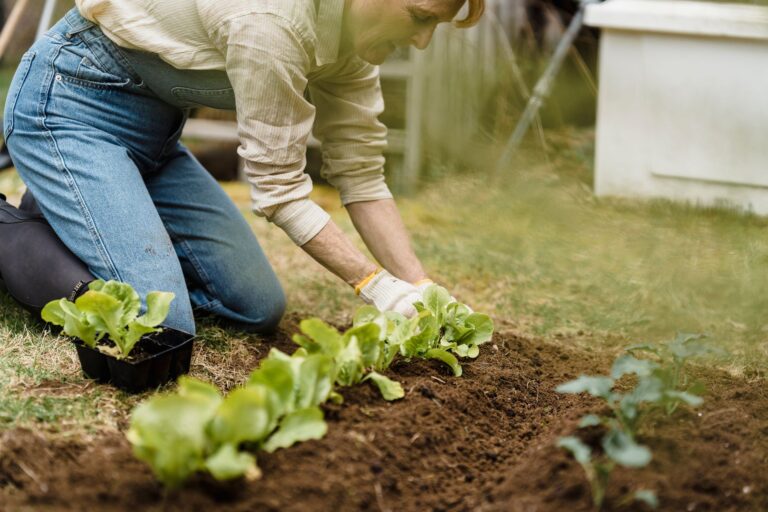
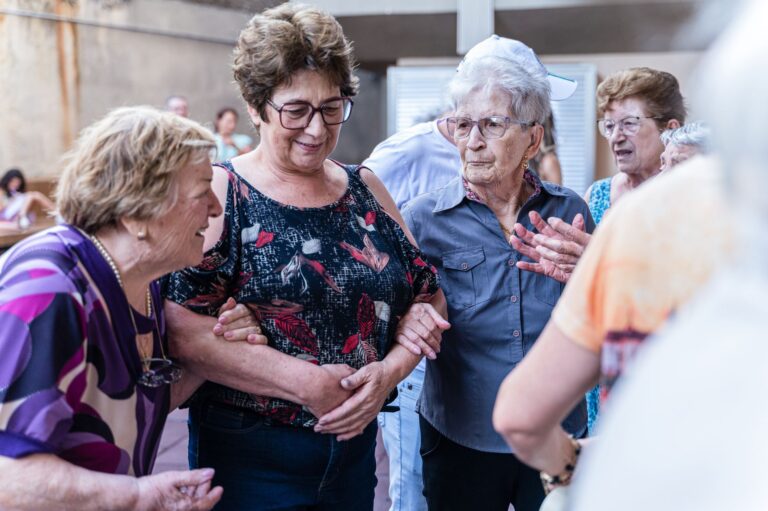
Raised-bed gardening for one-on-one dementia care is hands-on gardening in tall, narrow beds with a care partner guiding each step. It combines accessible setup, simple supplies, and close supervision to keep the activity safe and calm. A raised bed is a framed soil container lifted above ground level for easier reach. Mississippi State University Extension Service links gardening for older adults with better mobility, balance, strength, and heart health, plus better focus, self-esteem, and lower depression and anxiety.
Medical information disclaimer: This article is for general educational purposes only and does not provide medical advice, diagnosis, or treatment. Always consult a physician or other qualified health professional about symptoms, medications, tests, or treatment decisions.
Table of Contents
- What height and layout work best?
- What supplies make it easier?
- How do you handle sun and session length?
- What should care partners expect?
What height and layout work best?
University of Illinois Extension reports that 24-inch beds fit seated wheelchair work while 30-inch beds fit standing seniors with bending difficulty, kept within reach limits described in accessible height guidance. Keep beds no wider than 4 feet for two-sided reach or 2 feet for one-sided reach. This avoids stepping on soil and keeps plants within arm's reach.
University of Georgia College of Agricultural and Environmental Sciences calls for roll-under knee clearance and at least 36 inches between beds for wheelchair passage. Enclosed barriers help gardeners with dementia feel protected from wandering outside. Keep paths level, firm, and free of hoses, cords, and loose edges.
What supplies make it easier?
Sunrise Senior Living pairs 24- to 36-inch heights with ergonomic long-handled tools, lightweight watering cans, gloves, hats, and stable seating or wide bed ledges. Use a sturdy chair or bench that will not tip. Rest forearms on the bed ledge during fine work.
The Alzheimer's Foundation of America recommends side-by-side clear table access with cover protection for one-on-one table gardening, described in dementia gardening activity guidance. Use small cups to move soil. Avoid sharp tools and harsh materials, and plant only varieties not known to cause skin irritation.
- Set chair and supplies side by side before starting.
- Offer one small task at a time, such as scooping, patting, or watering.
- Keep water, hat, and gloves within reach.
How do you handle sun and session length?
Older gardeners face higher heat-illness risk after age 65. The U.S. Centers for Disease Control and Prevention advises long sleeves, a wide-brim hat, sunglasses, SPF 15 or higher sunscreen, water, shaded breaks, and stopping if short of breath or sore, summarized in warm-weather gardening safety guidance. Schedule morning or late-afternoon sessions.
Move to shade at the first sign of fatigue, thirst, or overheating. The Alzheimer's Foundation of America and Sunrise Senior Living advise continuous supervision, a secure trip-free layout, locked storage for sharp and power tools, and 45- to 60-minute sessions. Choose non-toxic, thornless plants. End while energy remains, not after exhaustion sets in.
What should care partners expect?
Gardening provides movement, sensory interest, routine, and shared time, but it does not treat dementia. Mississippi State University Extension Service notes possible physical and mental benefits, including focus and mood support and potentially lower dementia risk for older adults. Treat gains as comfort and engagement, not medical progress.
One-on-one support works best with simple repetition and calm cues. Demonstrate each motion, then garden together hand-over-hand only if welcomed. Keep sessions short, predictable, and supervised from setup through cleanup and tool storage.