Reviewed by the Help Dementia Editorial Team — our editors review every article for accuracy against guidance from the National Institute on Aging, the Alzheimer’s Association, and peer-reviewed sources.
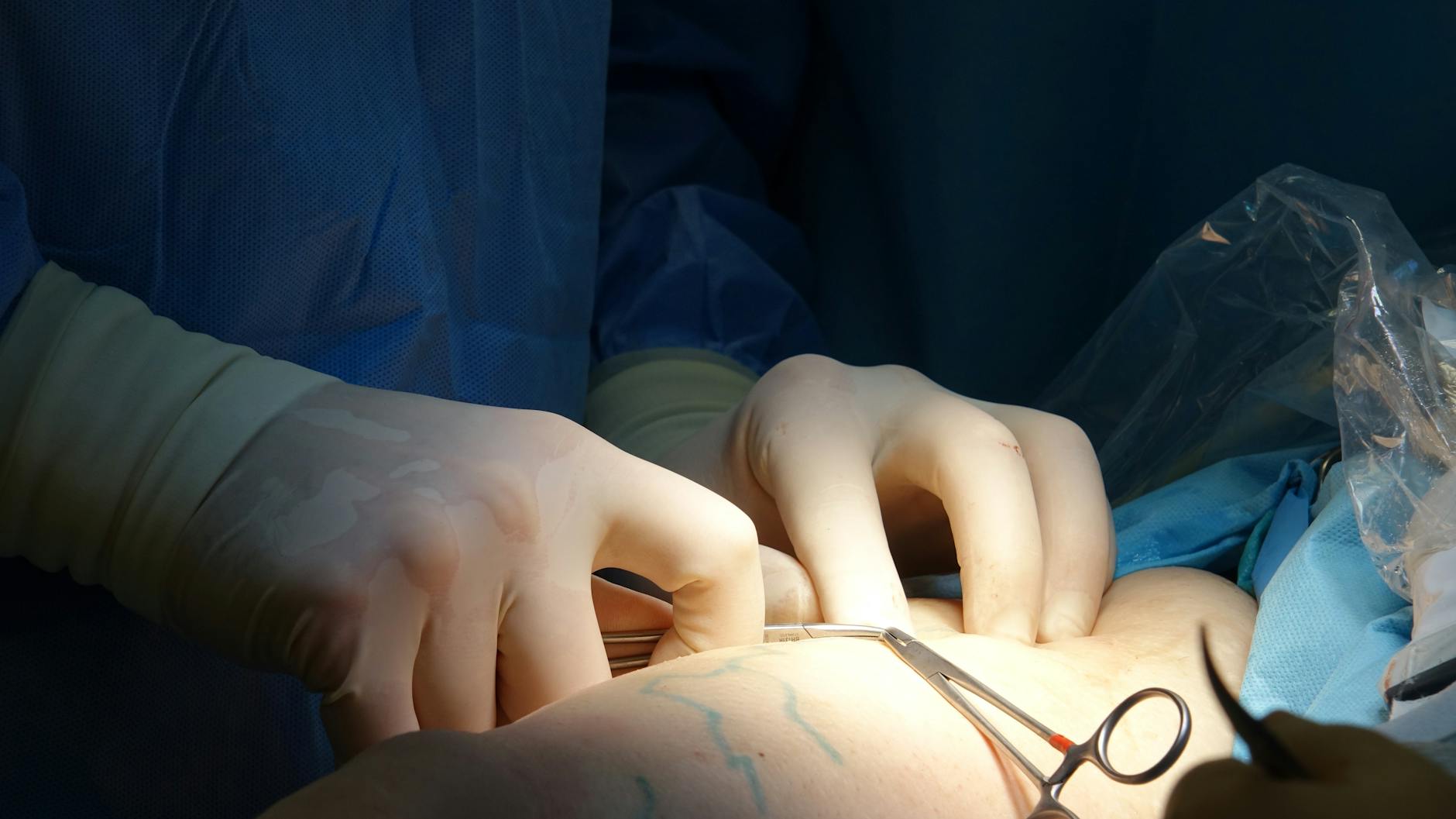
Surgery can trigger delirium in older adults because the combination of anesthesia, pain, infection risk, and the stress of a major medical event overwhelms the aging brain’s ability to maintain normal cognitive function. When an older person undergoes surgery, their brain faces simultaneous challenges: the depressant effects of anesthetic medications, inflammation triggered by the surgical trauma itself, sleep disruption in unfamiliar hospital environments, and the metabolic demands of healing. These factors converge to create what doctors call postoperative delirium—a temporary but serious state of confusion, hallucinations, agitation, or extreme drowsiness that can last from hours to weeks after surgery.
Delirium after surgery is shockingly common in older adults. Studies show that 50-80% of older patients develop some degree of confusion after major surgery, making it far more prevalent than many people realize. A 75-year-old woman who goes in for hip replacement surgery alert and oriented may wake from recovery extremely confused, unable to recognize her daughter, or believing she’s in a hotel instead of a hospital. While this confusion usually resolves, the experience can be frightening for patients and families, and in some cases, postoperative delirium is associated with longer hospital stays, complications, and even long-term cognitive decline.
Table of Contents
- Why Does Surgery Specifically Increase Delirium Risk in Aging Brains?
- The Hidden Risk Factors That Make Delirium More Likely
- How Hospital Environment Contributes to Postoperative Confusion
- Recognizing Delirium: Why It’s Often Missed or Mistaken for Normal Aging
- Medical Complications That Develop When Delirium Goes Untreated
- Preventing Delirium: What Can Be Done Before and During Surgery
- The Future of Postoperative Delirium Management and Research
- Conclusion
- Frequently Asked Questions
Why Does Surgery Specifically Increase Delirium Risk in Aging Brains?
The aging brain is fundamentally different from a younger one in ways that make it vulnerable during surgery. As people age, the brain shrinks slightly, has fewer connections between neurons, and shows reduced blood flow. Simultaneously, aging brains have less of a neurotransmitter called acetylcholine, which is critical for attention, memory, and conscious awareness. When anesthetics are introduced—drugs like propofol or sevoflurane—they further suppress acetylcholine and other neurotransmitters. In a young brain, this is manageable and reversible.
In an aging brain already running on reduced neurotransmitter levels, the impact is more profound and the recovery longer. The surgical trauma itself compounds the problem. When tissues are cut and manipulated, the body releases inflammatory molecules called cytokines. These travel through the bloodstream to the brain, where they trigger immune responses and further disrupt the delicate neurotransmitter balance. Research has shown that older adults mount a more exaggerated inflammatory response to surgery than younger people, which is why they’re at higher risk. Add to this the fact that older patients often have chronic conditions—heart disease, diabetes, kidney problems—that already impair how their brains process medications and recover from stress, and you begin to see why a routine knee surgery can leave an 80-year-old confused for days.
The Hidden Risk Factors That Make Delirium More Likely
Several specific conditions make an older adult far more vulnerable to postoperative delirium. Pre-existing cognitive decline, even mild memory loss not yet diagnosed as dementia, is one of the strongest predictors. A person with undetected early Alzheimer’s disease or vascular dementia has a brain already struggling to maintain clear thinking, and surgery can push them over the edge into severe confusion. Other major risk factors include depression, vision or hearing loss, sleep disorders, dehydration, malnutrition, and polypharmacy—taking many medications at once. A patient on ten different drugs before surgery faces a higher risk because each medication affects the brain, and interactions during perioperative stress can be unpredictable.
The type and duration of surgery matter significantly. Long surgeries cause more tissue trauma and require more anesthesia, increasing risk. Emergency surgeries are riskier than planned ones because there’s no time to optimize the patient’s health beforehand. Hip fracture repair—a common emergency in older adults who fall—carries particularly high delirium risk, sometimes affecting 60% or more of patients. Even something seemingly straightforward like cataract surgery can trigger delirium in a very old or frail patient, though the risk is generally lower with minor procedures. It’s important to recognize that delirium risk isn’t just about the surgery itself; it’s about the interaction between the procedure, the person’s baseline health, and the hospital environment.
How Hospital Environment Contributes to Postoperative Confusion
After surgery, an older patient isn’t just recovering from anesthesia and surgical trauma—they’re also coping with an unfamiliar, often chaotic environment that actively promotes delirium. Hospital rooms are noisy at all hours, with alarms, pages, and staff activity. For someone whose brain is already compromised, this constant sensory input becomes overwhelming and disorienting. The bedroom is dark or lit by harsh fluorescent lights, creating confusion about time of day. Curtains are drawn, windows may be obscured, and there are few environmental cues to anchor the patient’s sense of reality. Many older patients also experience sleep deprivation—not just from pain and disrupted sleep cycles, but because hospitals are designed around caregiver and medication schedules, not patient rest. Isolation from familiar people compounds the cognitive stress.
An older adult waking from surgery in an intensive care unit, possibly with tubes and monitors attached, without glasses or hearing aids, unable to see family members due to ICU restrictions, faces a perfect storm of disorientation. The hospital staff, well-meaning as they are, are strangers. Routines are unfamiliar. The food tastes different. The bathroom is in an unexpected place. What might seem like minor inconveniences to a younger person or a person in full cognitive control becomes deeply destabilizing for an older patient whose brain is already struggling. Studies have shown that even simple interventions—keeping the room quieter, ensuring the patient wears glasses and hearing aids, maintaining consistent sleep schedules, and allowing constant family presence—can significantly reduce delirium rates.

Recognizing Delirium: Why It’s Often Missed or Mistaken for Normal Aging
A critical problem is that many cases of postoperative delirium go unrecognized. Family members and sometimes even medical staff mistake it for normal post-surgery grogginess or attribute confusion to age itself. “Well, grandpa is 88, of course he’s a little confused” is a dangerously complacent response to what might be acute delirium. True postoperative delirium has specific characteristics: it develops suddenly, within hours to days of surgery, and fluctuates throughout the day—often worse in the evening or at night. The person may be agitated and restless, or conversely, withdrawn and unresponsive.
They might hallucinate, believe they’re in a different place, or fixate on irrational worries. The problem is that these symptoms can look different from person to person, and they can appear different from other conditions. A patient who becomes withdrawn and sleepy might be labeled as “doing fine” when actually they’re experiencing a hypoactive form of delirium that’s harder to notice but just as serious as the hyperactive agitation kind. Families need to know that postoperative confusion that persists beyond a day or two, or that represents a clear change from the patient’s normal baseline, warrants immediate medical attention. The window to address delirium is narrow—early recognition and treatment can prevent serious complications, while delayed recognition allows the condition to worsen and potentially cause permanent damage.
Medical Complications That Develop When Delirium Goes Untreated
When postoperative delirium isn’t quickly addressed, the consequences can cascade. A delirious patient is more likely to pull out catheters, fall out of bed, or refuse medications and fluids. They’re at higher risk for aspiration pneumonia because their swallowing reflexes become unreliable. They’re more susceptible to urinary tract infections, which can themselves worsen delirium in a vicious cycle. Their blood pressure and heart rate may become unstable.
Medications given to manage agitation—antipsychotics or benzodiazepines—carry their own risks in older adults, potentially prolonging confusion or causing other problems. Perhaps most concerning is the emerging evidence that postoperative delirium may accelerate cognitive decline beyond the immediate postoperative period. Some studies suggest that older adults who experience severe delirium during hospitalization show faster rates of subsequent cognitive decline and higher rates of dementia diagnosis in the following years. While causation hasn’t been definitively proven, the association is strong enough that preventing and rapidly treating delirium should be a priority. This isn’t just about getting through the hospital stay—it’s about protecting long-term brain health.

Preventing Delirium: What Can Be Done Before and During Surgery
Prevention is far more effective than trying to manage delirium once it develops. Before surgery, a careful preoperative assessment should identify high-risk patients. Cognitive screening, medication review, and optimization of chronic conditions can reduce risk. During surgery, some preventive measures are directly in the surgeon’s and anesthesiologist’s hands: using lower doses of anesthesia when appropriate, avoiding certain medications known to increase delirium risk, and keeping operative time as brief as safely possible.
The strongest evidence for delirium prevention comes from a hospital-wide approach called the Hospital Elder Life Program (HELP). This protocol emphasizes early mobilization (getting the patient out of bed and moving as soon as safely possible), maintaining cognitive engagement, ensuring proper nutrition and hydration, addressing sleep with a consistent bedtime routine, and preserving sensory aids like glasses and hearing aids. Hospitals that implement HELP protocols have documented reductions in postoperative delirium rates of 30-40%. For families involved in care, being present, reorienting the patient to time and place, encouraging mobility, and advocating for appropriate pain control all contribute to prevention.
The Future of Postoperative Delirium Management and Research
Research continues to advance our understanding of postoperative delirium. New biomarkers are being developed that might predict who’s at highest risk before surgery, allowing doctors to adjust anesthetic and surgical approaches accordingly. Some centers are experimenting with targeted anesthetic strategies—for instance, using regional anesthesia (numbing a specific area) instead of general anesthesia when possible, since regional techniques avoid the brain-wide effects of general anesthetics.
There’s also growing interest in medications that might directly protect the aging brain during surgery, though no definitive neuroprotective agent has yet been proven effective. Looking ahead, the key trend is moving away from a reactive approach—treating delirium after it develops—toward a proactive, multimodal strategy that recognizes delirium as a medical emergency requiring coordinated prevention efforts across the entire surgical team and hospital system. As our population ages and more older people require surgery, this shift from delirium management to delirium prevention will likely become increasingly important to standard surgical care.
Conclusion
Postoperative delirium in older adults is far more than a minor, temporary nuisance—it’s a serious, preventable medical complication that can have lasting consequences for brain health and quality of life. Understanding that surgery triggers delirium through a combination of anesthesia, surgical trauma, inflammation, and environmental stress empowers patients and families to anticipate the risk and advocate for preventive measures. A 75-year-old scheduled for surgery isn’t automatically destined to become confused; rather, the risk exists and can be substantially reduced through careful planning and hospital protocols that specifically address the aging brain’s vulnerability.
If you or a loved one is facing surgery, discussing delirium risk with the surgeon and anesthesiologist before the procedure is worthwhile. Ask what measures will be taken to minimize delirium risk, whether the Hospital Elder Life Program or similar protocol is in place, and what family involvement is encouraged during recovery. After surgery, watch carefully for signs of confusion beyond the first few hours of grogginess, and report concerns immediately. Recognizing and addressing postoperative delirium early can prevent complications, shorten recovery, and protect the cognitive future of older patients navigating surgical care.
Frequently Asked Questions
Is postoperative delirium the same as dementia?
No. Delirium is acute and temporary, while dementia is chronic and progressive. However, delirium can occur in patients with dementia and may be more severe in them. Having postoperative delirium doesn’t mean a patient has developed dementia, though research suggests repeated episodes might contribute to later cognitive decline.
How long does postoperative delirium typically last?
Most cases resolve within a few days to a couple of weeks, though some may persist longer, especially in frail or very old patients. If confusion persists beyond two weeks after surgery, additional evaluation is needed to rule out other complications like infection or medication effects.
Can certain anesthetics prevent delirium better than others?
Some evidence suggests that avoiding or minimizing exposure to benzodiazepines and using regional anesthesia when possible may lower delirium risk. However, the choice of anesthetic depends on many factors and should be made collaboratively between the patient and the anesthesiologist.
What’s the best way to help someone who’s experiencing postoperative delirium?
Reorienting them gently and repeatedly (stating the date, time, and location), keeping them comfortable, ensuring they wear glasses and hearing aids, encouraging family visits, maintaining normal sleep-wake cycles, and advocating for prompt medical evaluation of the underlying cause are all helpful. Avoid arguing with delirious patients or trying to convince them their confusion isn’t real.
Should older adults avoid surgery due to delirium risk?
No. The risks of necessary surgery are typically lower than the risks of avoiding it. Rather than avoiding surgery, the focus should be on careful preoperative assessment, choosing the least invasive approach when options exist, and implementing proven delirium-prevention strategies.
Are there warning signs of delirium I should watch for before surgery?
Pre-surgery assessment should screen for cognitive impairment, depression, vision or hearing loss, malnutrition, and polypharmacy—all risk factors. Discussing these with the surgical team beforehand allows for targeted prevention strategies.