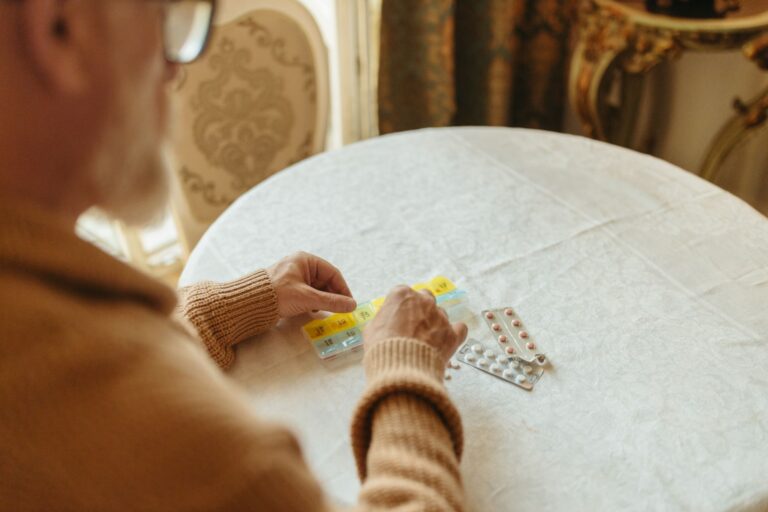
No-cook food preparation gives a person with dementia a hands-on task — mixing, assembling, pouring, or decorating food without any stove, oven, or knife — matched to abilities they still have. Research on food-related activities in dementia care links these simple tasks to measurably better engagement and, in some studies, calmer behavior. The appeal is practical as much as therapeutic. A task with no heat and no sharp tools removes most safety concerns while still giving someone a real job to do with their hands, a role in a shared activity, and a finished result they helped create.
Medical information disclaimer: This article is for general educational purposes only and does not provide medical advice, diagnosis, or treatment. Always consult a physician or other qualified health professional about symptoms, medications, tests, or treatment decisions.
Table of Contents
- What No-Cook Food Preparation Actually Looks Like
- What the Research Shows About Engagement and Behavior
- Why These Tasks Match What Dementia Takes Away First
- How to Adapt a Task and Know When to Step Back
- Where the Evidence Still Falls Short
- Frequently Asked Questions
What No-Cook Food Preparation Actually Looks Like
No-cook food preparation means any food task that skips cooking entirely: crushing biscuits for a crust, stirring a filling, layering ingredients, spreading, portioning snacks, or topping a finished dish with fruit. None of it requires a stove, oven, or blade. At one UK care home, residents with dementia built a no-bake Eton Mess cheesecake by crushing biscuits for the base, mixing the filling, and topping it with strawberries.
Staff reported that the hands-on task supported participation, movement, creativity, socialization, and a sense of accomplishment, according to a report from the Caring Homes group. Other no-cook roles are even simpler: pouring a drink, buttering bread, arranging fruit on a plate, or helping set out a snack tray. The common thread is a task broken into one or two visible, repeatable steps.
What the Research Shows About Engagement and Behavior
A systematic review of Montessori-based programs in residential aged care — many of which include food-related tasks — found significantly improved engagement and reduced feeding difficulty among residents with dementia, though broader measures like daily-living skills and quality of life showed no clear change, according to a 2023 review from the University of Wollongong. A more targeted trial tested cooking activities directly. Thirty-six nursing-home residents with dementia in Japan were split between a 12-week small-group cooking program and a control group; the intervention group showed significantly improved behavioral disturbance, according to a study published in Progress in Rehabilitation Medicine.
Beyond behavior during the activity itself, one facility tied a food-related change to a safety outcome overnight. Parker Jewish Institute in New York began offering no-cook snacks — sandwiches, cake, juice — to residents with dementia who wandered at night, and saw falls and related injuries drop by 50 percent afterward, according to reporting from NPR and Kaiser Health News. That result came from one facility's own account, not a controlled study, but it points to the same idea: giving someone a food-related activity or snack can reduce restlessness that might otherwise lead to a fall.
Why These Tasks Match What Dementia Takes Away First
No-cook tasks work partly because of the order in which food-related abilities decline. A doctoral thesis on dementia and food found that the ability to shop for groceries is typically lost earliest, followed by the ability to prepare food, with the ability to eat retained longest, according to research from the University of Surrey.
That order explains why simplified, no-cook steps fit many people with dementia better than full cooking or independent shopping. Someone who can no longer plan a grocery list or operate a stove safely may still be able to stir, spread, or arrange food when the task is broken down and supervised. Matching the task to the remaining ability, rather than to the person's past cooking skill, is what keeps the activity achievable instead of frustrating.
How to Adapt a Task and Know When to Step Back
A caregiver guide built around Montessori-based dementia programming recommends involving people with dementia in simple steps like mixing or assembling food, with no cooking required, to support eating and swallowing skills. It also suggests pairing someone with limited hand function with a partner so the task stays shared rather than one-sided, according to the CEN4ARD activity guide.
The Alzheimer's Association advises adapting any household task, including food-related ones, to the person's remaining abilities. A caregiver should start the task and then step back, and should end or modify it if the person shows frustration or their attention fades, according to the Alzheimer's Association's activities guidance. In practice, that means:.
- Start the task yourself, then hand over the next step once the person is oriented to it.
- Break the activity into one visible action at a time — stir, pour, spread — rather than a multi-step recipe.
- Watch for frustration or fading attention, and shorten or end the task rather than pushing through it.
- Offer a partner for any step that needs two hands or more dexterity than the person currently has.
Where the Evidence Still Falls Short
Most of the research behind these recommendations comes from small trials, feasibility studies, and individual care-home accounts rather than large controlled studies — the 2023 systematic review, the 36-person Japanese trial, and a UK trial involving 12 women with dementia are among the largest examples available. That limits how confidently the results generalize to every care setting or every stage of dementia.
None of this undermines the direction of the findings. Engagement improved, feeding difficulty eased, and behavioral disturbance dropped across the studies that measured them. It simply means the size of the benefit, and how long it lasts, is still less certain than the fact that a benefit exists at all.
Frequently Asked Questions
Does no-cook food preparation require special training for caregivers?
The research and guidance cited here describe simple, supervised steps like stirring or assembling food, not a formal training program. The Alzheimer's Association's guidance centers on starting the task, handing it over, and adjusting or stopping it based on the person's response.
Can no-cook food tasks help with challenging behaviors, not just engagement?
Yes. The Japanese nursing-home trial found a 12-week cooking program significantly improved behavioral disturbance compared with a control group, and a separate UK trial found a therapeutic cooking program reduced agitation and passivity, though that study's sample was small.
What kind of no-cook task works best for someone with limited hand strength?
Guidance built on Montessori-based dementia programming suggests pairing that person with a partner for the step, so the task stays shared rather than depending on one person's dexterity alone.