Reviewed by the Help Dementia Editorial Team — our editors review every article for accuracy against guidance from the National Institute on Aging, the Alzheimer’s Association, and peer-reviewed sources.
Manuka honey sits at the center of this dementia and brain health question.
Manuka honey is not a quick fix for sinus infections, but it may help ease symptoms within a few days to a week when used consistently. Most people who use manuka honey for sinus relief report mild improvements in congestion and drainage within 2-3 days, though the relief is usually gradual rather than dramatic. If you have a bacterial sinus infection causing pain and fever, manuka honey alone is unlikely to eliminate the infection—antibiotics prescribed by a doctor remain the gold standard for treating bacterial sinusitis—but honey may offer supplemental comfort and may support recovery when combined with conventional treatment. The speed at which manuka honey works depends heavily on the severity of the infection, how it’s applied, and the individual’s immune response. For someone with a mild viral sinus infection causing mild congestion and post-nasal drip, consistent use of manuka honey might produce noticeable relief within 2-4 days.
For example, a person using a spoonful of manuka honey three times daily might notice clearer nasal passages by day three. However, if you have a severe bacterial sinus infection with significant pain, fever, and yellow or green nasal discharge, expecting manuka honey to resolve this condition is unrealistic. The antimicrobial compounds in manuka honey work at a slow, localized level and do not circulate systemically the way antibiotics do. Understanding this distinction is especially important for older adults who may be more vulnerable to complications from untreated sinus infections. Manuka honey may ease discomfort, but it should never delay seeking medical evaluation if symptoms are severe or worsening.
Table of Contents
- How Quickly Does Manuka Honey Relieve Sinus Symptoms?
- The Science Behind Manuka Honey’s Antimicrobial Properties
- Using Manuka Honey for Sinus Relief
- Comparing Manuka Honey to Other Natural Remedies
- Limitations and When to Seek Medical Care
- Different Delivery Methods and Their Speed
- Long-Term Use and Prevention Strategies
- Conclusion
How Quickly Does Manuka Honey Relieve Sinus Symptoms?
The timeline for symptom relief typically follows a pattern when manuka honey is used regularly. In the first 24-48 hours, users may notice soothing sensations in the throat and reduced irritation from post-nasal drip, though this is partly due to the honey’s immediate soothing properties rather than any antimicrobial effect. By day 3-5, if the body is already beginning to fight off a mild infection, the consistent application of manuka honey may help reduce inflammation and support drainage, leading to less congestion and discomfort. Some people experience relief within 48 hours, while others see improvement only after a week of consistent use. The variation in speed depends on several factors.
The specific strain of bacteria or virus causing the infection matters—manuka honey may be more effective against certain bacteria than others. The concentration of active compounds in the honey (measured by the UMF, or Unique Manuka Factor, rating) also affects potency; higher UMF ratings typically offer stronger antimicrobial activity. Additionally, how you apply the honey influences speed—honey taken by mouth works differently and more slowly than honey applied directly to nasal tissues or sinuses, though direct sinus application is not practical for most people. One concrete example: a 68-year-old dealing with mild sinus congestion after a cold might take a teaspoon of UMF 10+ manuka honey three times daily and notice that nasal passage opening improves by day 4. However, that same person with acute bacterial sinusitis causing facial pain and fever would see no meaningful improvement in pain by day 4, which is precisely when they should have already consulted their doctor.

The Science Behind Manuka Honey’s Antimicrobial Properties
Manuka honey’s potential benefit for sinus symptoms comes from compounds not found in regular honey, particularly methylglyoxal (MGO) and a compound called leptosperin. These substances give manuka honey antimicrobial properties—meaning they can slow or inhibit bacterial growth in laboratory conditions. However, it’s crucial to understand that laboratory evidence and real-world clinical results are not the same thing. Studies showing manuka honey’s ability to kill bacteria in a petri dish do not necessarily translate to the same effect occurring in your sinuses. When manuka honey is swallowed, these antimicrobial compounds must travel through the digestive system and then somehow reach the sinuses, which limits their effectiveness.
The honey does not directly reach infected sinus tissues unless applied through nasal irrigation or other direct methods, and even then, the concentration of active compounds decreases as it mixes with mucus and other nasal secretions. This is one major limitation: manuka honey may soothe and provide some antimicrobial support, but the evidence for it clearing bacterial sinus infections is weak. Prescription antibiotics work because they are designed to circulate through the bloodstream and reach infected tissues at therapeutic concentrations; honey cannot replicate this mechanism. What research does suggest is that manuka honey can reduce inflammation and support the body’s own healing process, which may help symptoms feel better faster. For viral sinus infections—which most acute sinusitis cases are—antibiotics don’t work anyway, so supporting symptom relief with honey while the immune system clears the infection is more reasonable than attempting this with bacterial infections.
Using Manuka Honey for Sinus Relief
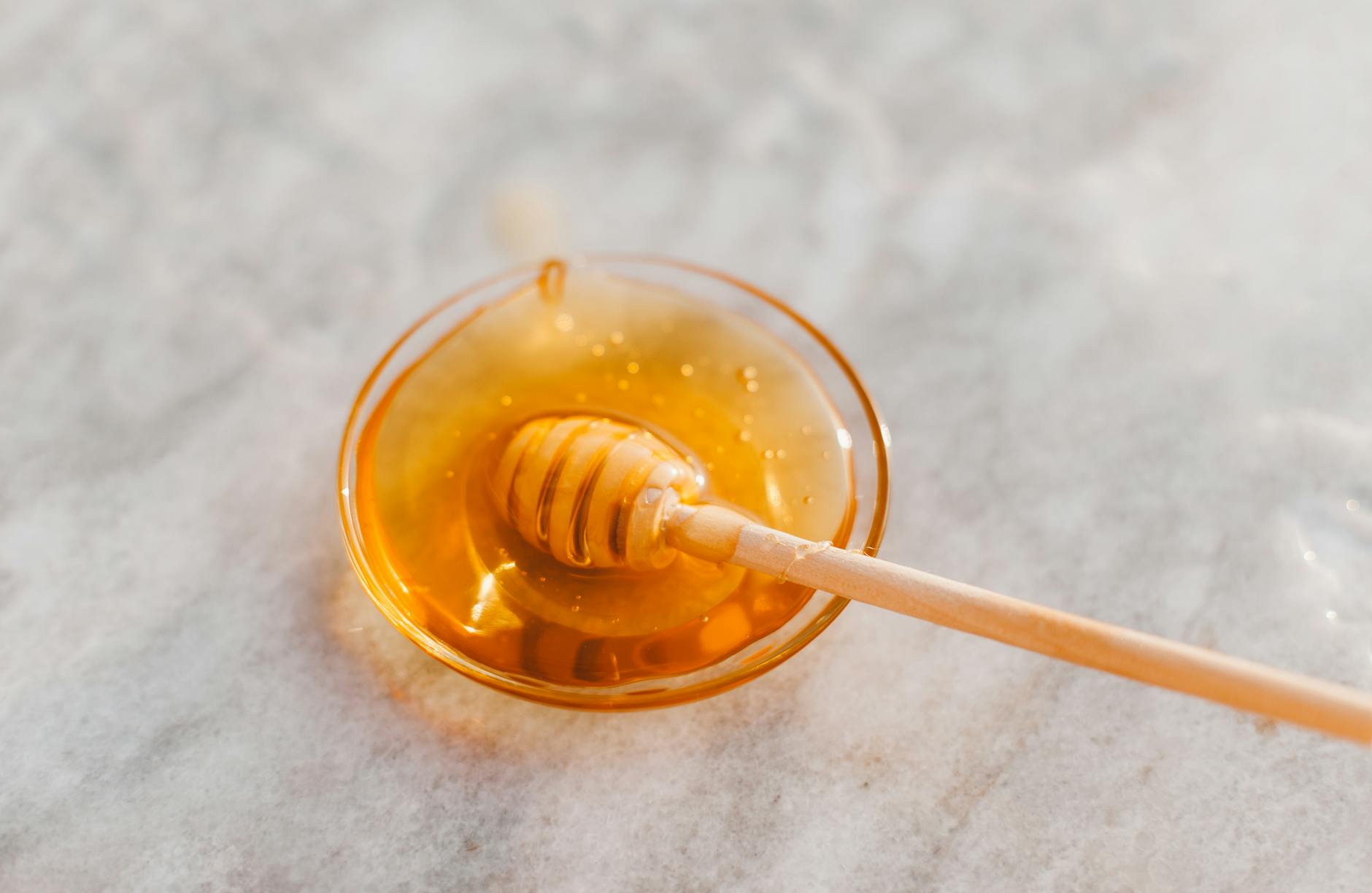
The most practical way to use manuka honey for sinus symptoms is to consume a spoonful (about one teaspoon) of raw, unpasteurized manuka honey three times daily, ideally one with a UMF rating of at least 10 to ensure adequate levels of active compounds. Swallowing honey allows it to coat your throat, reduce irritation, and soothe the inflammation that contributes to post-nasal drip. Some people use honey-based lozenges or dissolve honey in warm water to sip slowly, which extends the contact time with inflamed tissues. Another approach is nasal irrigation using a saline solution with a small amount of manuka honey mixed in.
While standard saline rinses can help clear sinuses and reduce congestion, adding manuka honey may offer additional anti-inflammatory benefits. A person might use a neti pot or nasal spray bottle filled with warmed saline, add a quarter teaspoon of manuka honey, and use this to rinse the nasal passages once or twice daily. The honey remains localized to the nasal area longer this way, potentially allowing more direct contact with inflamed tissues. However, direct application also carries a limitation: honey is hygroscopic, meaning it draws water from tissues, which could theoretically irritate nasal passages if used in high concentrations. Most people tolerate honey irrigation well, but if you notice increased irritation or dryness, you should stop and revert to plain saline rinses.
Comparing Manuka Honey to Other Natural Remedies
When considering whether manuka honey is the best natural approach to sinus symptoms, it’s helpful to compare it to other commonly used remedies. Saline nasal irrigation—using plain salt water without any honey—is proven to reduce congestion and inflammation through mechanical flushing and osmotic effects. For immediate congestion relief, saline irrigation often works faster than honey, typically bringing results within hours. However, saline does nothing to address bacterial infection; it simply clears passages and reduces inflammation. Steam inhalation, whether from a bowl of hot water or a humidifier, also provides faster immediate relief for congestion than honey, though like saline, it does not treat underlying infection.
Apple cider vinegar, turmeric, and eucalyptus oil are other natural remedies people try, but research supporting their specific benefit for sinus infections is limited. Honey has the advantage of being well-tolerated with minimal side effects and some scientific evidence for antimicrobial properties, making it a reasonable complement to saline rinses and steam. One meaningful comparison: if you need relief from sinus congestion in the next few hours, saline irrigation or steam will work faster than honey. If you’re looking for a gentle, supportive remedy to use over several days while your body fights off a mild infection, manuka honey may be worthwhile. The realistic approach is combining methods—saline irrigation for immediate mechanical relief, steam for comfort, and manuka honey for sustained support and soothing.
Limitations and When to Seek Medical Care
While manuka honey is generally safe, important limitations exist around what it can and cannot treat. The most critical limitation is that it cannot cure bacterial sinus infections. If you develop acute sinusitis with facial pain, fever above 101°F, or discharge that is persistently yellow or green, you need antibiotics, not honey. Delaying medical care in favor of natural remedies can allow the infection to spread to surrounding tissues or become chronic, which is particularly risky for older adults whose immune systems may not fight infections as effectively.
Another limitation is that chronic sinus problems—recurrent infections, allergies, or structural issues like deviated septa—cannot be treated with honey. If you find yourself reaching for manuka honey every few weeks to manage recurring sinus symptoms, that is a sign you need evaluation by an ENT specialist to identify the underlying cause. Using honey to manage symptoms indefinitely while ignoring a deeper issue is ineffective and potentially harmful. Also important: some people are allergic to honey or bee products, and if you have a history of bee allergies or oral allergy syndrome, you should avoid manuka honey. Additionally, honey should never be given to infants under one year old due to the rare risk of botulism.

Different Delivery Methods and Their Speed
How you use manuka honey influences how quickly it might affect your symptoms. Taking a spoonful orally is the simplest method but also the slowest, as the honey must be swallowed and absorbed systemically. This method typically shows results within 3-7 days of consistent use. Dissolving honey in warm herbal tea (like chamomile) and sipping slowly keeps the honey in contact with inflamed throat tissues longer and provides comfort within minutes to hours, though again, deeper sinus effects develop over days. Nasal irrigation with honey-infused saline is more direct.
The honey reaches the nasal passages and sinuses immediately, so localized soothing effects may be felt within the first application. However, true antimicrobial benefits still require consistent use over days. One example: a person with post-nasal drip might use honey irrigation once in the morning and notice immediate throat soothing, with cumulative reduction in drainage by day 3-4 of consistent daily use. A practical note: some people apply honey topically around the sinuses or on the face, but this has minimal effect because the thick, viscous honey sits on the skin rather than penetrating into the sinuses. This method is not an efficient way to use manuka honey.
Long-Term Use and Prevention Strategies
For people prone to recurrent sinus infections or seasonal sinus problems, using manuka honey as a preventive measure during high-risk periods is reasonable. Some individuals take a daily teaspoon of manuka honey during cold and flu season or during high pollen months as a gentle, ongoing anti-inflammatory and antimicrobial support. Over weeks and months, this consistent low-level support may reduce the frequency or severity of infections, though clinical evidence for prevention is limited. Long-term daily use of manuka honey is safe for most adults, but it is not a substitute for addressing underlying causes.
If allergies are driving your sinus problems, you need allergy management. If a structural issue is contributing, you may need surgery. If your sinuses are being repeatedly infected due to inadequate drainage, saline rinses and humidity management are more directly helpful than honey. Manuka honey works best as a supplementary comfort measure, not as a primary treatment strategy.
Conclusion
Manuka honey can ease some sinus infection symptoms within a few days to a week of consistent use, but it is not a cure and works slowly compared to pharmaceutical treatments. It is best suited for mild viral infections or as a complementary measure alongside saline rinses and steam, and it should never delay medical evaluation for severe symptoms like high fever, significant facial pain, or persistent infection.
For anyone using manuka honey as part of sinus care, especially older adults or those with underlying health conditions, the key principle is realistic expectations combined with prompt medical attention when needed. Manuka honey may soothe and support, but it is not a replacement for antibiotics when they are necessary, nor is it a solution for chronic sinus problems that require professional diagnosis.
You Might Also Like
- How Fast Does Claritin Work on Wildfire-Smoke Symptoms?
- The Correct Way to Take Advil Cold & Sinus for Cold Symptoms
- Flonase for Headache From Sinus Pressure: Honest Answer From a Pharmacist
For more, see Alzheimer’s Association — medical tests.