Families preserve old diaries before Alzheimer's advances by digitizing documents at archival quality and capturing oral histories directly from the person with early-stage memory loss. When Alzheimer's disease progresses, it erases recent memories first, eventually affecting identity itself—making it critical to safeguard personal narratives and handwritten records before cognitive decline narrows that window. Nearly 7.4 million Americans age 65 and older currently have Alzheimer's, and early warning signs like repeating questions and forgetting recently learned information often appear years before a formal diagnosis. Starting preservation work at these first signs—not after decline is advanced—protects the person's voice, identity, and story for both current and future use.
Medical information disclaimer: This article is for general educational purposes only and does not provide medical advice, diagnosis, or treatment. Always consult a physician or other qualified health professional about symptoms, medications, tests, or treatment decisions.
Table of Contents
- Why Memory Preservation Matters Right Now
- When to Start: Recognizing the Right Moment
- Digitizing Old Diaries Safely and Properly
- Professional Services and Free Community Options
- Capturing Living Memories Through Voice and Journaling
- How Memory Preservation Reduces Caregiver Burden
- Frequently Asked Questions
Why Memory Preservation Matters Right Now
Alzheimer's attacks recent memories first, then progressively erodes older ones and eventually identity itself. A diary preserved today becomes irreplaceable evidence of who the person was and what mattered to them—information that vanishes if the original documents degrade or remain unread.
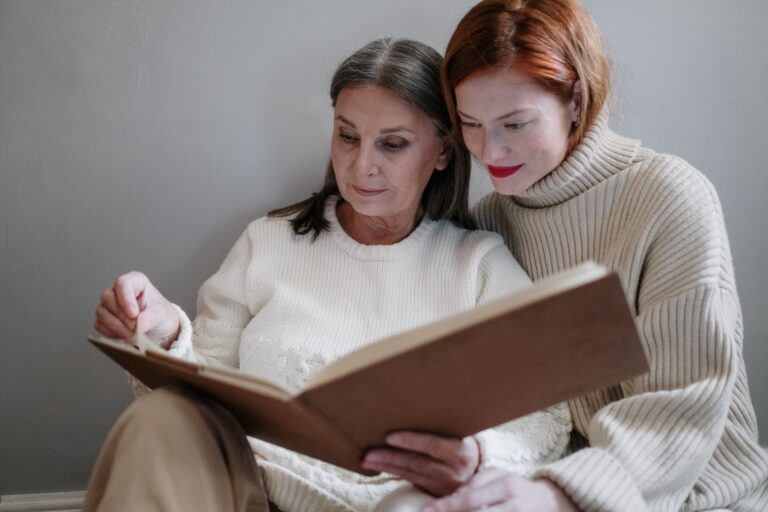
Preserved diaries and memory books do more than document the past. Research shows that seeing and hearing documented memories—photos, video, audio—can trigger recall in people with dementia in ways new conversations cannot, helping them maintain a sense of self and identity. For caregivers, these preserved records reduce burden by creating therapeutic memory aids that honor the person's recorded voice rather than relying entirely on caregiver-told stories.
When to Start: Recognizing the Right Moment
Don't wait for a diagnosis. Early Alzheimer's symptoms include forgetting recently learned information, repeating the same questions, and needing increasing help with tasks previously managed alone. These signs typically appear years before formal diagnosis and mark the moment to begin preservation work.
The person with early-stage memory loss can still participate meaningfully in documenting their own story. They can sit for interviews, review old diaries and help you decide which to preserve, and record audio reflections on what those memories meant. This window—where they retain enough cognitive ability to participate—is irreplaceable. Once memory loss advances, their voice and perspective on their own history become inaccessible.
Digitizing Old Diaries Safely and Properly
Old diaries on brittle paper with weakened bindings or mold need careful handling. Digitization best practices call for scanning at 600 dpi in full color and saving as TIFF files for archival preservation and JPG files for sharing and accessibility. This dual-format approach protects against permanent loss if originals further degrade while keeping copies accessible for caregiving and memory work.
Don't attempt to repair or clean fragile diaries yourself—improper handling can accelerate damage. If a diary shows signs of age (brittle pages, foxing, weak binding), have it assessed by a professional before scanning. Many digitization services include handling consultation and can advise whether an original should remain untouched for archival reasons.
Professional Services and Free Community Options
families have a range of choices depending on budget and complexity. Professional digitization services like EverPresent, Anderson Archival, and Forever Studios handle multi-generational family archives nationwide.
They typically charge per item or by project scope and provide quality control and climate-controlled storage. For families with limited budgets, FamilySearch offers free onsite digitization at select locations, and many public libraries host Memory Labs where community members can scan documents for free or low cost. Costs vary widely—basic DIY scanning with a smartphone or flatbed scanner costs nothing, while professional services range from hundreds to thousands depending on volume and restoration needs.
Capturing Living Memories Through Voice and Journaling
Beyond scanning old diaries, capture the person's own voice while they can still tell their story clearly. Journaling or recording oral histories directly from the person with early-stage dementia captures authentic perspective and voice before memory loss advances; these written or audio records provide identity anchors during later disease stages.
Simple audio recordings of them reading passages from old diaries, explaining what a memory meant, or narrating family stories become irreplaceable later. Set up a structured journaling practice: weekly prompts about favorite memories, people who mattered, values, or life lessons. The act of reflecting and recording also benefits the person with early-stage dementia by reinforcing existing memories and offering emotional engagement before decline makes new learning difficult.
How Memory Preservation Reduces Caregiver Burden
Over 12 million American family caregivers provide unpaid care to Alzheimer's patients. Preserved diaries and memory books reduce that burden by giving caregivers a ready tool for triggering engagement and connection during difficult moments—a specific memory or joke the person wrote becomes a bridge when conversation falters.
Preserved materials also honor the person's pre-diagnosis identity. Instead of the caregiver becoming the sole keeper of the person's story, documented diaries and recorded memories distribute that emotional labor and prevent the person from becoming defined entirely by their illness or current cognitive state.
Frequently Asked Questions
Do I need professional equipment to digitize a diary?
No. A smartphone camera using a flat surface, good lighting, and the 600-dpi setting found in most scanning apps produces acceptable results. Professional services offer superior color accuracy and restoration, but DIY scanning works for preservation if budget is tight.
What if the original diary is very fragile?
Consult a digitization service first—they can advise whether an original should remain untouched for archival reasons. Never attempt to repair, clean, or flatten fragile pages yourself, as handling can accelerate damage.
Can a person with early dementia participate in choosing which diaries to preserve?
Yes. Early-stage memory loss typically leaves decision-making intact. Including the person in the selection, scanning, and reflection process honors their autonomy and deepens the therapeutic value of the work.