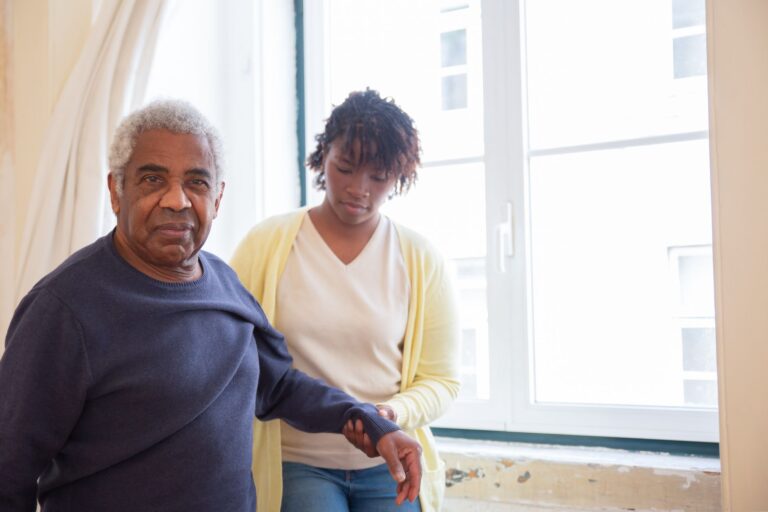
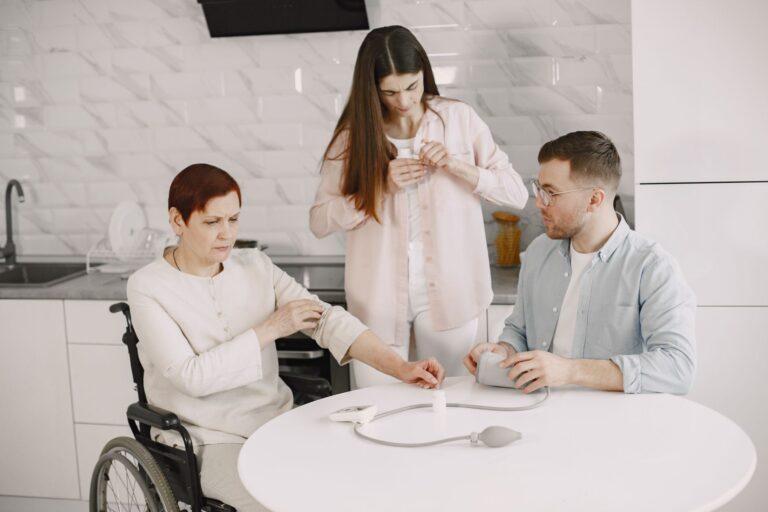
Frailty raises dementia risk on top of family history, and the combined risk is higher than either factor alone. Frailty means reduced physical resilience — slower walking, weaker grip, fatigue, and slow recovery from illness.
Having a close relative with Alzheimer's increases risk by about 30% relative, reports Harvard Health Publishing, with baseline risk at age 65 about 2% per year Harvard Health guidance on family risk. Frailty adds further risk even when brain changes are already present. That makes strength and daily function practical concerns for people with a family history.
Medical information disclaimer: This article is for general educational purposes only and does not provide medical advice, diagnosis, or treatment. Always consult a physician or other qualified health professional about symptoms, medications, tests, or treatment decisions.
Table of Contents
- Why does frailty affect dementia symptoms?
- How much do frailty and genetic risk add up?
- What does a family history change?
- What lowers risk when frailty is present?
Why does frailty affect dementia symptoms?
People can carry Alzheimer's brain changes without showing symptoms. Physical resilience appears to influence who does. In 456 Rush Memory and Aging Project participants age 59 and older, higher frailty made adults more likely to show dementia symptoms for a given amount of brain pathology, reports The Lancet via ScienceDaily, while non-frail adults with substantial pathology showed fewer symptoms ScienceDaily summary of The Lancet study.
Pathology here means plaques, tangles, and other brain damage linked to Alzheimer's. In practical terms, two people can have similar scan results but function differently. The frailer person is more likely to struggle with memory, judgment, and daily tasks.
How much do frailty and genetic risk add up?
Both physical frailty and inherited risk raise new cases of dementia. Together, the increase is steep. In 274,194 UK Biobank participants followed for new dementia, prefrailty raised incidence by 40% and frailty more than doubled it versus non-frail adults, reports Translational Psychiatry Translational Psychiatry analysis of UK Biobank data.
People who were both frail and at high polygenic genetic risk had nearly four times the risk of non-frail people at low genetic risk. The pattern was additive, not simply overlapping. Polygenic risk means risk from many small gene variants combined. Additive means frailty adds danger even for people already at higher genetic risk.
What does a family history change?
A parent or sibling with Alzheimer's raises your odds, but it does not decide your outcome. Risk genes work the same way. An estimated 40-65% of people diagnosed with Alzheimer's carry the APOE-e4 risk gene, according to the Alzheimer's Association.
Inheriting one copy raises risk and two copies raises it further, but neither guarantees disease. Maternal history of memory impairment was linked to higher brain amyloid buildup in cognitively normal older adults, while only early-onset paternal history raised amyloid risk. Amyloid is a sticky protein that builds up in Alzheimer's. A family pattern can prompt earlier attention to memory, blood pressure, sleep, hearing, and physical function.
What lowers risk when frailty is present?
Small amounts of movement still helped frail adults. The benefit started well below standard exercise targets. Even frail or pre-frail older adults kept large risk reductions from minimal moderate-to-vigorous activity, found a Johns Hopkins Bloomberg School of Public Health study in JAMDA, with 1-34.9 minutes weekly linked to about 41% lower dementia risk in over 89,000 adults Johns Hopkins report on activity and dementia risk.
Moderate activity raises breathing and heart rate. Vigorous activity raises them more. Useful next steps include: The key frailty-pathology finding was a cross-sectional comparison from one database of Illinois adults, so it cannot prove frailty causes dementia or generalize nationally.
- ask your clinician for a frailty, gait, balance, and strength check
- build short walks, chair stands, and grip or resistance work into the week
- treat vision, hearing, sleep apnea, depression, and fall hazards promptly
- track memory concerns and bring a family member to the visit