Did sits at the center of this dementia and brain health question.
The U.S. established its ceasefire terms with Iran through a formal 15-point proposal delivered by the Trump administration to Iranian officials through Pakistan as of March 25, 2026. This comprehensive plan outlines strict conditions spanning nuclear facilities, weapons capabilities, regional military activities, and international oversight. Rather than a negotiated agreement worked out bilaterally, the U.S. presented its demands as a structured diplomatic ultimatum designed to address core American security concerns about Iran’s nuclear program and regional influence. The Trump administration’s approach reflected a maximalist negotiating posture, demanding the complete dismantling of Iran’s most sensitive nuclear sites, an end to uranium enrichment, and permanent International Atomic Energy Agency monitoring.
Beyond nuclear issues, the plan also required Iran to cease supporting regional proxy forces, halt strikes on energy infrastructure, and allow the reopening of the Strait of Hormuz. The proposal included incentives as well—complete sanctions relief and U.S. support for civilian nuclear power generation at Iran’s Bushehr facility—suggesting the administration intended these terms as a credible offer rather than a starting negotiating position. However, Iran’s immediate rejection of the plan underscores how far apart the two nations remain. The Iranian government called the proposal “maximalist and unreasonable,” counter-proposing its own five conditions that include war reparations from the U.S., international safeguards against future military attacks, and explicit recognition of Iran’s sovereignty over the Strait of Hormuz. This deep disagreement on fundamental issues reveals why crafting sustainable ceasefire terms remains extraordinarily difficult.
Table of Contents
- What Specific Nuclear Demands Did the U.S. Make in Its Ceasefire Plan?
- How Do Missile and Regional Proxy Restrictions Fit Into the Broader Ceasefire Terms?
- Why Did the Strait of Hormuz Reopening Become Central to the Ceasefire Terms?
- What Role Did Sanctions Relief and International Support Play in the U.S. Incentive Structure?
- What Complications Arise From the 30-Day Initial Ceasefire Timeline?
- How Do Iran’s Counter-Conditions Challenge the U.S. Framework?
- What Lies Ahead in U.S.-Iran Diplomacy?
- Conclusion
What Specific Nuclear Demands Did the U.S. Make in Its Ceasefire Plan?
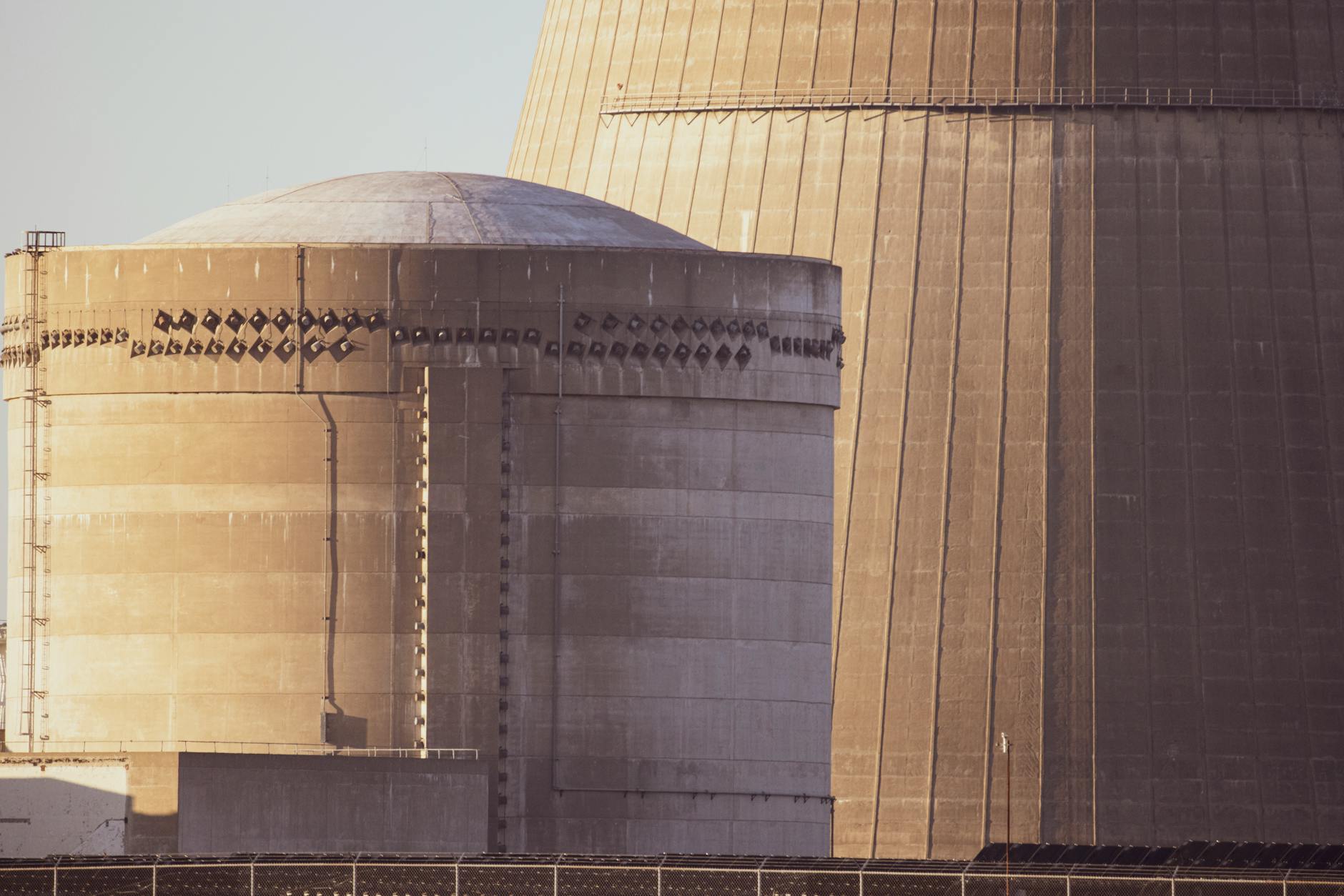
At the heart of the U.S. proposal lies a demand for iran to dismantle three critical nuclear facilities: Natanz, Isfahan, and Fordow. These sites represent the backbone of Iran’s uranium enrichment infrastructure, which the U.S. and its allies view as the pathway to weapons-grade material. The proposal requires not just a temporary pause in enrichment activities but the complete dismantling of these facilities—a far more intrusive requirement than previous diplomatic agreements like the Joint Comprehensive Plan of Action (JCPOA) had stipulated. The uranium enrichment component demands that Iran cease all enrichment operations within its borders and surrender its existing stockpile of enriched uranium to the International Atomic Energy Agency for safekeeping.
This two-pronged requirement—stopping future enrichment and surrendering current reserves—essentially removes Iran’s ability to rapidly advance toward weapons capability. The permanent commitment to IAEA monitoring of all remaining nuclear infrastructure establishes ongoing international verification, meaning Iran could not secretly restart programs without detection. The inclusion of support for Bushehr’s electricity generation represents the U.S. sweetening the deal on the nuclear front. By offering American assistance with civilian nuclear power production, the administration signaled recognition that Iran has legitimate energy needs. This incentive structure—”dismantle weapons programs, receive help with civilian applications”—follows a playbook used in past arms control negotiations, though Iran showed no interest in this tradeoff.
How Do Missile and Regional Proxy Restrictions Fit Into the Broader Ceasefire Terms?
Beyond nuclear weapons, the U.S. demanded restrictions on Iran’s ballistic missile program, limiting both the range and total number of missiles Iran could possess. This addresses a critical gap in the previous JCPOA agreement, which did not adequately constrain Iran’s missile development. From the American perspective, even a non-nuclear Iran with advanced long-range missiles and active regional proxy networks remains a significant threat to U.S. interests, Israel, and Gulf state partners. The requirement that Iran end all support for regional proxy forces represents perhaps the most difficult concession from Tehran’s strategic perspective.
For decades, Iran has used proxy militias and armed groups across Iraq, Syria, Yemen, and Lebanon as force multipliers, extending iranian influence without committing direct military resources. Asking Iran to abandon these relationships would fundamentally reshape Tehran’s regional strategy and eliminate one of its primary levers of power in the Middle East. This explains partly why Iran rejected the proposal—the U.S. was essentially asking Iran to accept a diminished role as a regional power. The specific inclusion of halting strikes on regional energy facilities acknowledges the recent escalatory cycle where Iranian forces have targeted oil and electricity infrastructure across the region. By forbidding these attacks, the U.S. aimed to prevent further disruption to global energy markets and protect the economic interests of Gulf Cooperation Council states aligned with Washington. However, enforcing such restrictions would require intrusive monitoring and verification mechanisms, which Iran has historically resisted as violations of its sovereignty.
Why Did the Strait of Hormuz Reopening Become Central to the Ceasefire Terms?
The Strait of Hormuz, a narrow waterway connecting the Persian Gulf to the Indian Ocean, represents one of the world’s most critical chokepoints for global energy supplies. Approximately 30% of the world’s seaborne oil passes through this strait daily, meaning any disruption has cascading economic consequences worldwide. The U.S. proposal required Iran to reopen and ensure safe passage through the Strait, addressing fears that tensions or regional conflict could trigger blockades that cripple the global economy. Ironically, Iran’s counter-proposal specifically demanded that the U.S. recognize Iranian sovereignty over the Strait of Hormuz, turning this issue into a symbolic flashpoint about which nation controls this vital waterway.
Iran views the Strait through a nationalist lens—as part of its territorial waters and a symbol of its regional authority—while the U.S. views it as an international waterway where all nations have free passage rights. This fundamental disagreement over sovereignty cannot be easily compromised; either a nation controls a waterway or it doesn’t. The reopening requirement had practical implications beyond symbolism. If commercial shipping and oil tankers could flow freely, it would ease global economic pressures, reduce energy prices, and benefit countries worldwide—including potentially Iran itself. Yet Iran’s rejection suggests that Tehran views control over the Strait as more strategically valuable than the economic benefits of reopening it, a calculation that reflects how deeply geopolitical competition overshadows economic pragmatism in regional disputes.

What Role Did Sanctions Relief and International Support Play in the U.S. Incentive Structure?
The carrot portion of the U.S. proposal included complete removal of all sanctions imposed on Iran and ending the UN mechanism for reimposing sanctions. This represented a significant concession, as the sanctions regime had been built over decades and touched virtually every sector of the Iranian economy. The promise of full sanctions relief would theoretically unlock Iran’s frozen assets, allow international trade, enable technology transfers, and restore Iran’s access to global financial systems. Supporting electricity generation at Iran’s Bushehr civil nuclear plant offered practical economic relief while maintaining U.S. oversight through the civilian nuclear context. This assistance would help Iran address chronic electricity shortages that plague its economy, allowing the government to redirect resources away from power generation toward other development priorities.
The U.S. framed this support as evidence it was not seeking Iran’s economic collapse but rather a recalibration of its nuclear and military posture. However, Iran’s rejection of these incentives suggests Tehran doubts their credibility or believes the non-negotiable nature of other demands makes accepting them impossible. From Iran’s perspective, surrendering nuclear facilities and regional military networks in exchange for removed sanctions could leave the nation vulnerable to a future U.S. administration reimposing restrictions. Trust between the nations has eroded sufficiently that economic carrots lack persuasive power without broader security guarantees that the U.S. appears unwilling to provide.
What Complications Arise From the 30-Day Initial Ceasefire Timeline?
The proposal specified a 30-day initial ceasefire period, a relatively short window that raised immediate questions about implementation feasibility. Verifying compliance with such comprehensive demands—dismantling nuclear facilities, stopping uranium enrichment, halting proxy support, opening the Strait of Hormuz—within 30 days seemed practically impossible. The brevity of the initial period suggested either that the U.S. expected Iran would reject the proposal entirely or that this timeframe represented a negotiation starting point rather than a final demand. A major limitation of such a short timeline involves the technical complexities of dismantling nuclear infrastructure safely. Natanz and other enrichment facilities contain specialized equipment, sensitive materials, and sophisticated security systems.
Properly decommissioning these sites requires expertise, international supervision, and careful handling to prevent accidents or environmental contamination. Thirty days allows no realistic window for this work, suggesting that the timeline applied to reaching agreement rather than completing physical dismantling. The 30-day framework also creates psychological pressure dynamics that could backfire. If Iran viewed the timeline as unrealistic or designed to make the proposal appear reasonable while actually being impossible to accept, it would reinforce Tehran’s narrative that the U.S. negotiates in bad faith. Indeed, Iran’s emphasis on calling the plan “maximalist and unreasonable” suggested they interpreted the compressed timeline as evidence the U.S. sought an outcome that would allow them to blame Iran for intransigence rather than pursue genuine diplomacy.

How Do Iran’s Counter-Conditions Challenge the U.S. Framework?
Iran responded with its own five-point set of conditions that fundamentally reshape the negotiation premises. Beyond demanding war reparations from the United States, Iran insisted on international safeguards guaranteeing that the U.S. would not launch future military attacks. This requirement reflects decades of U.S. military interventions in the Middle East and specifically the 2020 U.S. assassination of Iranian general Qasem Soleimani, which demonstrated Iran’s vulnerability to American military action despite its nuclear program. The Iranian demand for Strait of Hormuz sovereignty recognition represents a non-negotiable nationalist position that the U.S.
seems equally unwilling to concede. For Iran, this condition addresses historical grievances about Western powers carving up Middle Eastern resources and waterways for themselves. For the U.S., formally recognizing Iranian sovereignty would symbolically reverse decades of American policy affirming the Strait’s internationalization and freedom of navigation. These symbolic stakes often matter as much as practical arrangements in geopolitical disputes. These counter-conditions suggest that Iran operates from a completely different negotiating framework than the U.S. While the American proposal focused on Iran’s external behavior—nuclear programs, missiles, proxy forces—Iran’s conditions focused on U.S. behavior and recognition of Iranian rights. This mismatch indicates the fundamental gap separating the two nations’ visions of a sustainable settlement.
What Lies Ahead in U.S.-Iran Diplomacy?
The mutual rejection of each other’s proposals as of March 25, 2026, suggests that rather than moving toward agreement, the U.S. and Iran may be entering a new phase of competitive tensions. The Trump administration’s willingness to issue a comprehensive proposal, even knowing Iran would likely reject it, may have been designed primarily for domestic and international audiences—demonstrating to allies that the U.S. had tried serious diplomacy before any military escalation.
Future diplomacy would require both nations abandoning their current maximalist positions and finding genuine compromise ground. Third-party mediators like Pakistan, Qatar, or European nations might play essential roles in crafting alternative frameworks. However, fundamental issues—Iran’s nuclear aspirations, regional proxy networks, U.S. military presence in the Gulf, and mutual security guarantees—remain as intractable as ever. Without a dramatic shift in either side’s strategic calculus, the ceasefire terms announced in March 2026 may represent not a negotiating beginning but a diplomatic dead-end documenting how far apart the two nations remain.
Conclusion
The U.S. established its ceasefire terms with Iran through a formal 15-point proposal that addresses nuclear facilities, uranium enrichment, missile capabilities, regional proxy forces, and international sanctions—essentially demanding a comprehensive rollback of Iran’s military and nuclear infrastructure in exchange for sanctions relief. The proposal demonstrated that the Trump administration had identified specific, measurable demands, yet its immediate rejection by Iran revealed how differently the two nations view the requirements for stability and security in the Middle East.
Moving forward, crafting a ceasefire agreement will require both nations moving substantially from their current positions, potentially with third-party mediation and creative compromises that address each side’s fundamental security concerns. Until the U.S. acknowledges Iranian security vulnerabilities and Iran accepts constraints on its military ambitions, diplomatic stalemate will likely persist.
You Might Also Like
- How Did Switzerland Offer to Mediate Between the U.S. and Iran
- Why Is There No Ceasefire in the Iran War Despite Growing International Pressure
- U.S. Iran Talks Hang In Balance As Conflict Escalates Across Region
For more, see Alzheimer’s Association — medical tests.