Landmark ruling sits at the center of this dementia and brain health question.
Yes, a landmark Supreme Court ruling issued on March 25, 2026, has fundamentally changed how internet service providers (ISPs) handle illegal downloads. In a unanimous 9-0 decision, the Court ruled that ISPs are not liable for copyright infringement committed by their users—overturning a jury verdict that had left Cox Communications facing over $1 billion in damages.
This ruling represents a watershed moment in the decades-long battle between copyright holders and internet providers, shifting the legal burden entirely onto copyright owners to prove that an ISP actively induced or designed services specifically for infringement, rather than simply knowing that some customers engage in illegal downloading. This article examines the specifics of the Cox Communications v. Sony Music Entertainment case, what the new legal standard means for ISPs and users, the industry reaction, and how this ruling may reshape internet regulation for years to come.
Table of Contents
- What Did the Supreme Court Actually Rule in This ISP Copyright Case?
- What Legal Standard Must Copyright Owners Now Meet to Sue an ISP?
- How Does This Ruling Affect How ISPs Actually Operate?
- What Does This Mean for Users and Copyright Protection?
- What Are the Limitations of This Ruling?
- How Has the Music Industry Responded?
- What Happens Next in the Digital Copyright Landscape?
- Conclusion
What Did the Supreme Court Actually Rule in This ISP Copyright Case?
The supreme Court’s decision in Cox Communications v. Sony Music Entertainment overturned a 2016 jury verdict that had ordered Cox to pay damages to a coalition of record labels including Sony. The jury had concluded that Cox bore responsibility for its customers’ copyright infringement because the company had knowledge that some users were downloading music illegally but failed to implement aggressive enforcement measures. The original judgment threatened Cox with penalties exceeding $1 billion, which would have set a dangerous precedent for all internet providers.
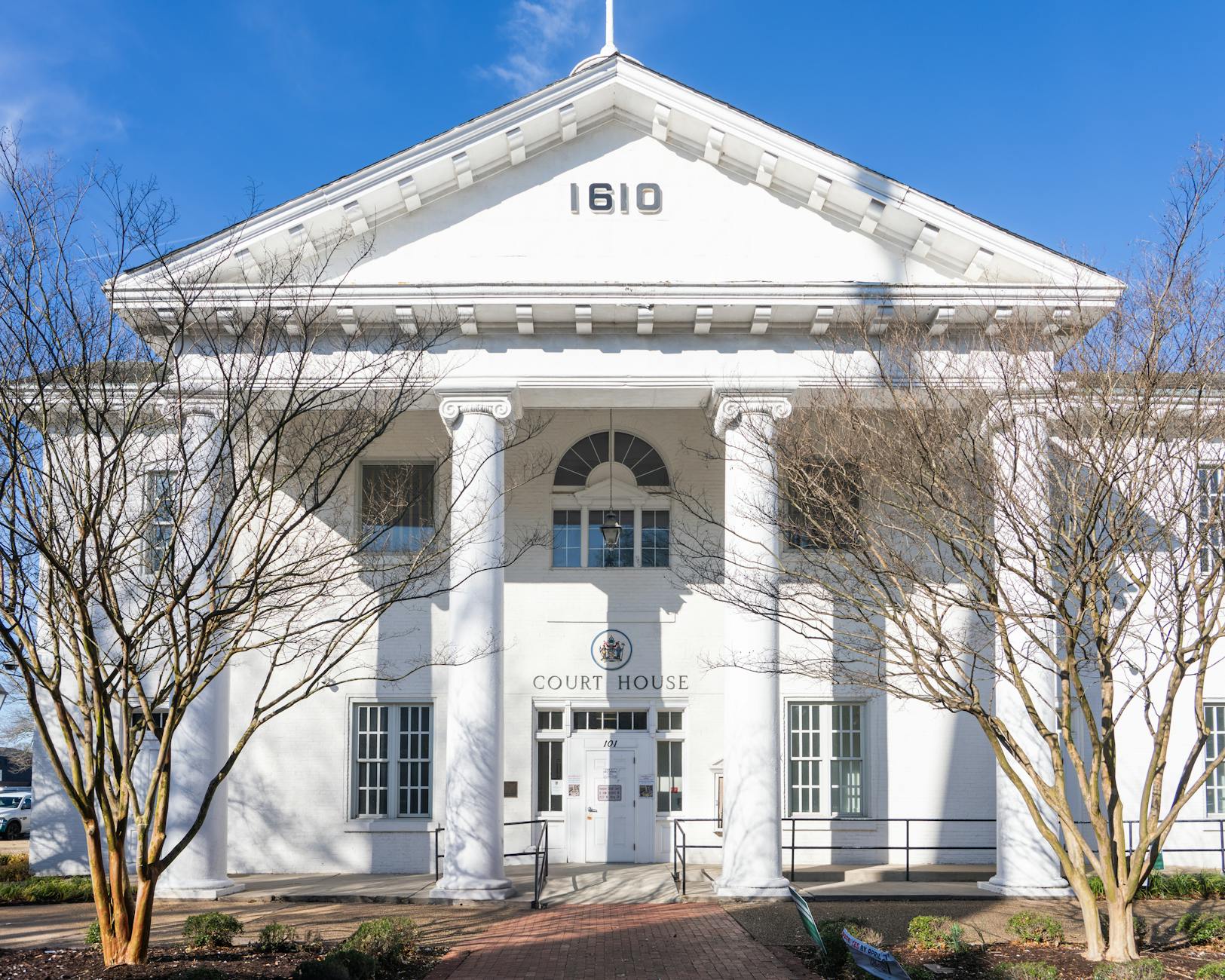
Justice Clarence Thomas, writing for the majority, made the Court’s position clear: “a company is not liable as a copyright infringer for merely providing a service to the general public with knowledge that it will be used by some to infringe copyrights.” This straightforward language eliminated what had become the music industry’s primary legal strategy—suing ISPs on the theory that they should have done more to police their networks. The Court’s decision was even more significant because it was entirely unanimous. No justice dissented from the core holding that Cox should prevail. However, Justice Sonia Sotomayor, joined by Justice Ketanji Brown Jackson, filed a separate concurrence expressing deep concern about the majority’s reasoning. Sotomayor warned that the decision “upends the statutory incentive structure that Congress created” and that the majority’s language unnecessarily narrowed secondary liability standards in ways that could affect other copyright enforcement contexts beyond ISP disputes.
What Legal Standard Must Copyright Owners Now Meet to Sue an ISP?
The Supreme Court’s ruling establishes a new, much higher legal bar for holding ISPs accountable. Copyright owners must now prove one of two things: either that an ISP intentionally induced infringement through marketing or encouragement, or that the ISP designed and provided a “tailored service” specifically for the purpose of enabling infringement. Merely knowing that some customers use an ISP to access pirated content is no longer sufficient for liability, which was the standard that had been applied in the Cox case and in several lower court decisions before this ruling. This is a critical distinction that fundamentally changes the calculus for copyright enforcement.
For example, if a record label wanted to sue a major ISP like Comcast or Verizon, it would now need to demonstrate not just that people download music illegally on those networks, but that the ISP itself took active steps to facilitate that infringement or actively marketed the ability to download copyrighted music without authorization. The burden of proof is now so demanding that copyright owners effectively cannot hold ISPs liable under current law without evidence of active conspiracy or intentional inducement. However, if an ISP were to explicitly market “unlimited, undetected downloading” or provide special services designed to hide infringing activity, that would potentially cross the line into intentional inducement. The Court’s framework leaves that door open, even if it appears nearly impossible to walk through in practice.
How Does This Ruling Affect How ISPs Actually Operate?
ISPs face dramatically reduced legal pressure to monitor customer activity or take enforcement action against illegal downloading. Before this ruling, some major providers had implemented systems to identify copyright infringement and send warning notices to customers—a practice that had generated considerable controversy regarding user privacy. Cox Communications itself had previously implemented a “Copyright Alert System” to warn customers, but this proved insufficient in the eyes of the jury that originally issued the $1 billion verdict. Now, with the Supreme Court ruling that ISPs cannot be held liable simply for knowledge of customer infringement, there is no legal incentive for providers to maintain expensive monitoring systems or enforcement programs.
This has real consequences for how internet providers allocate resources and what policies they adopt. Some ISPs may eliminate automated systems that currently send copyright warning notices to customers, since such systems generate costs and customer complaints without any legal benefit. Others may maintain these programs for public relations or as part of agreements with content companies, but they will do so voluntarily rather than out of legal necessity. A practical example: if Comcast previously sent customers a warning when its systems detected piracy on their account, Comcast might now discontinue that automated warning system, since continuing it provides no legal protection and only generates customer service complaints.

What Does This Mean for Users and Copyright Protection?
The ruling creates an asymmetry in internet law that benefits consumers in some ways but also raises questions about whether copyright owners can still protect their work. On the user side, the practical result is that ISPs will engage in less monitoring of their networks for copyright violations, which means fewer cease-and-desist notices, fewer account suspensions based on piracy allegations, and generally less friction between providers and customers over downloading behavior. Users can expect a less adversarial relationship with their internet providers regarding copyright issues.
However, this does not mean copyright infringement becomes legal or that content creators have no recourse. Copyright owners still retain the ability to sue individual infringers directly, and they can still pursue cases against services that are specifically designed to facilitate piracy (such as torrent indexing sites or streaming services that operate without authorization). The Supreme Court ruling removes one avenue of enforcement—suing the plumbing provider—but leaves other avenues intact. The tradeoff is that content companies must now focus their enforcement efforts on actual pirates rather than on the companies that provide internet connectivity, which means less money gets spent on mass warning campaigns and more gets spent on targeted legal action against specific services and infringers.
What Are the Limitations of This Ruling?
It is crucial to understand that the Supreme Court’s holding applies specifically to secondary liability under copyright law for ISPs and similar service providers. The ruling does not prohibit copyright owners from suing individual users who actually download or upload copyrighted material, nor does it prevent targeted enforcement against services explicitly designed for piracy. An individual user who engages in illegal downloading remains liable for copyright infringement, and copyright owners can still pursue cases against them, though such cases are expensive and difficult to prosecute at scale.
Additionally, the ruling does not restrict Congress’s ability to pass new legislation that creates different legal standards for ISPs. If Congress were to enact a law requiring ISPs to implement specific anti-piracy measures or establishing that ISPs bear responsibility for user-generated infringement beyond secondary liability, that legislation could potentially override the Court’s interpretation of current copyright law. However, such legislation seems unlikely given the political resistance to expanding ISP regulation for other purposes, and the music industry has not demonstrated significant momentum toward pursuing a legislative fix since the ruling was announced.

How Has the Music Industry Responded?
The recording industry has expressed significant disappointment with the Supreme Court’s decision, though their options for legal remedy are now limited. Record labels and industry groups invested considerable resources over the past decade in pursuing ISP liability as a strategy to reduce piracy, and the unanimous Supreme Court ruling represents a complete loss of that litigation strategy.
Major labels including Sony, Universal, and Warner have not yet announced whether they will pursue legislative remedies or shift their enforcement resources toward other targets. The practical effect of the ruling is that copyright enforcement must now focus on the actual sources and platforms facilitating infringement rather than on the internet infrastructure that makes it possible. This could mean increased legal action against torrent sites, streaming piracy services, and cloud storage services that host unauthorized content, but it removes the leverage that copyright owners previously had against major ISPs.
What Happens Next in the Digital Copyright Landscape?
The Supreme Court’s 2026 ruling is likely to reshape how copyright enforcement operates online for years to come. With ISP liability effectively eliminated as a litigation strategy, copyright owners must adapt their enforcement models. Some industry observers expect that copyright companies will increasingly pursue partnerships with internet providers based on voluntary cooperation rather than legal liability, potentially through licensing agreements or anti-piracy initiatives that ISPs implement to protect their brand rather than to avoid lawsuits.
Looking forward, the decision creates an interesting dynamic for future technology and policy debates. As new internet-based services emerge—whether artificial intelligence platforms, cloud computing services, or other technologies that could theoretically facilitate copyright infringement—courts and regulators will look back to the Cox decision as establishing a high bar for secondary liability. This ruling suggests that service providers in the digital economy have substantial legal protection to operate without being held liable for all possible misuse of their platforms, provided they are not actively inducing infringement or designing services specifically for that purpose.
Conclusion
The March 25, 2026 Supreme Court ruling in Cox Communications v. Sony Music Entertainment fundamentally altered the legal landscape for ISP liability in copyright cases. By establishing that ISPs cannot be held liable merely for knowing that customers engage in infringement, the Court eliminated a major enforcement avenue that copyright owners had pursued for over a decade. The decision was unanimous on the core holding that Cox should prevail, though Justices Sotomayor and Brown Jackson expressed concerns about the breadth of the majority’s reasoning.
Going forward, this ruling means that copyright enforcement will shift away from legal pressure on internet providers and toward more targeted action against actual sources of pirated content and services explicitly designed for infringement. For users, the likely result is less monitoring and fewer copyright warning notices from ISPs. For content creators, the challenge becomes adapting their enforcement strategies to a legal landscape where the internet infrastructure itself receives broad protection from secondary liability. Understanding this shift is important for anyone interested in how digital property rights, internet regulation, and technology law continue to evolve.
You Might Also Like
- Inside The Landmark Verdict That Could Change How Social Media Is Designed Forever
- What The Social Media Addiction Ruling Means For Users Under 18
- Meta And YouTube Found Negligent In Landmark Social Media Addiction Case What It Means For Millions Of Users
For more, see CDC — Alzheimer’s and Dementia.