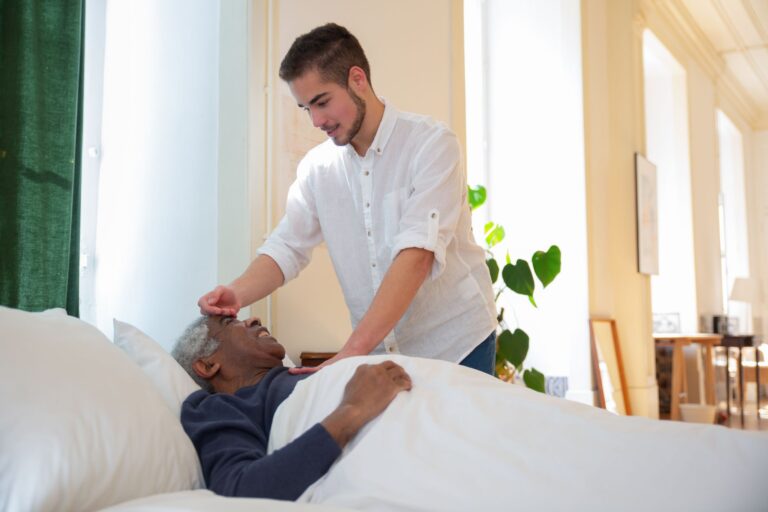
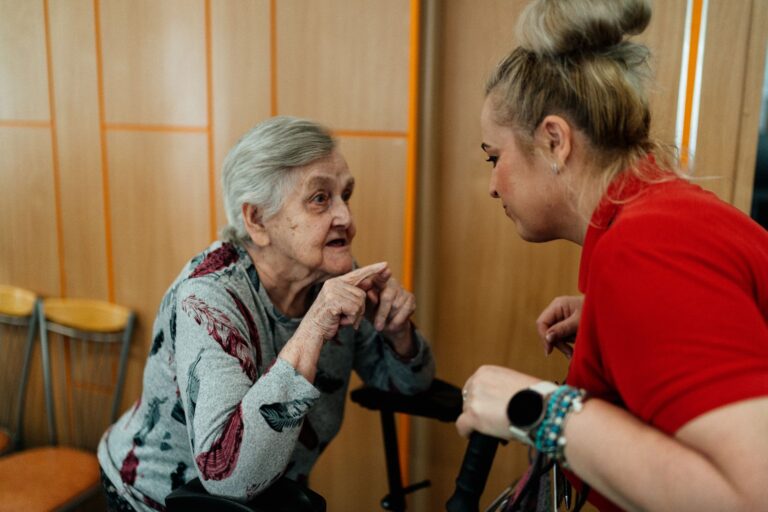
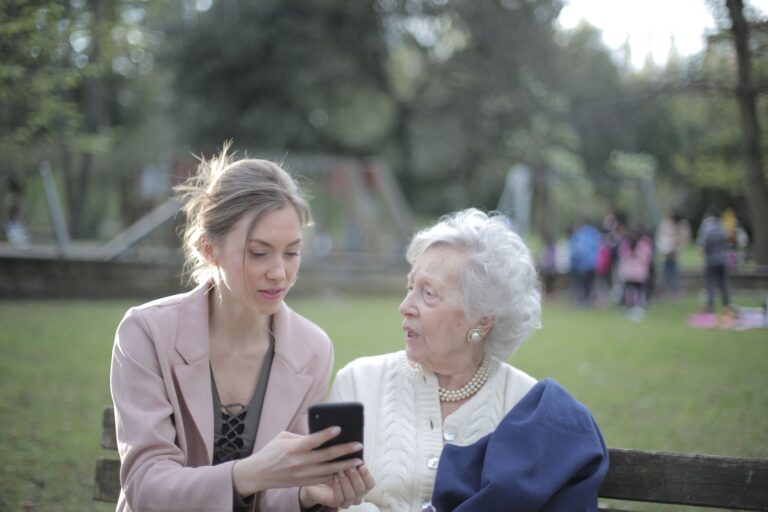
Caregivers can calm dementia agitation with short, failure-free art sessions built into a calm daily routine. Choose familiar music, simple making, or guided looking, and keep noise and clutter low. Agitation means restlessness, aggression, or evening distress called sundowning. Art programs give a shared focus and a sense of purpose during those high-risk times.
Medical information disclaimer: This article is for general educational purposes only and does not provide medical advice, diagnosis, or treatment. Always consult a physician or other qualified health professional about symptoms, medications, tests, or treatment decisions.
Table of Contents
- What does the research show?
- Which art options fit agitation?
- How to run a calm session at home?
- What limits should caregivers expect?
What does the research show?
A 2023 network meta-analysis in Frontiers in Psychiatry reviewed 39 randomized trials with 2,801 dementia participants. It found high-quality evidence that art therapies reduce depression and anxiety and improve quality of life. Evidence for agitation, cognition, and daily activities was moderate. Read the 39-trial network meta-analysis for details. A 12-week trial reported in Scientific Reports tested 50 minutes of art therapy per week.
It involved 54 older adults with dementia. Agitated-behavior symptoms improved, with effects sustained after treatment. See the 12-week trial report for methods. University of Canberra researchers followed new attendees in a six-week National Gallery of Australia discussion-tour program, as reported by MedicalXpress. About 25-28 participants showed improved waking-to-evening cortisol rhythm, better quality of life, and lower depression. The pattern points to calmer stress regulation during program weeks.
Which art options fit agitation?
The National Institute on Aging lists playing and discussing music, singing or dancing to familiar songs, and short museum, theater, or art-exhibit trips. These options use familiar cues and brief outings. Familiar songs often hold attention when new tasks do not. Details are in the adapting activities guidance. The Alzheimer's Association says art projects build accomplishment and purpose while giving both the person and the caregiver self-expression.
It also cites studies that music may reduce agitation and behavioral issues in middle-stage disease. Making, singing, and looking all count when the person can join without strain. For sundowning hours, choose looking and listening over demanding crafts. A familiar playlist or photo talk needs less focus than painting. A short gallery video can work when leaving home feels too much.
How to run a calm session at home?
The National Institute on Aging advises steady routines, less noise and clutter, soothing music, and familiar objects and photos nearby for agitation and sundowning. Use that calm setup before you start art. Start at the same time and place when possible. Details are in the coping guidance for agitation and sundowning. Offer short, failure-free sessions and do not rush.
Rushing can provoke agitation. Follow the person's pace and praise effort, not result. A Dementia Spring summary of a Healthcare review links arts participation with lower caregiver anxiety and better carer well-being. Pick something you enjoy too. Your calmer tone helps the room stay calm.
- Set out one simple choice, such as large crayons, familiar photos, or one song.
- Keep the session brief, then stop while mood is still good.
- Sit beside the person, model each step, and allow watching instead of doing.
- Save harder crafts for calm mornings and easy listening for evenings.
What limits should caregivers expect?
Follow-up in the Journal of Alzheimer's Disease study found cortisol rhythms drifted back toward baseline after the gallery program ended. The 2023 Frontiers meta-analysis rated agitation benefit as moderate, not always sustained. Expect small, same-day calm rather than lasting change. If frustration, pacing, or a raised voice grows, pause the activity.
Offer music, a drink, or a quiet break. Try again another time with an easier step. Track what time, place, and song choice came before calm moments. Repeat that combination tomorrow.