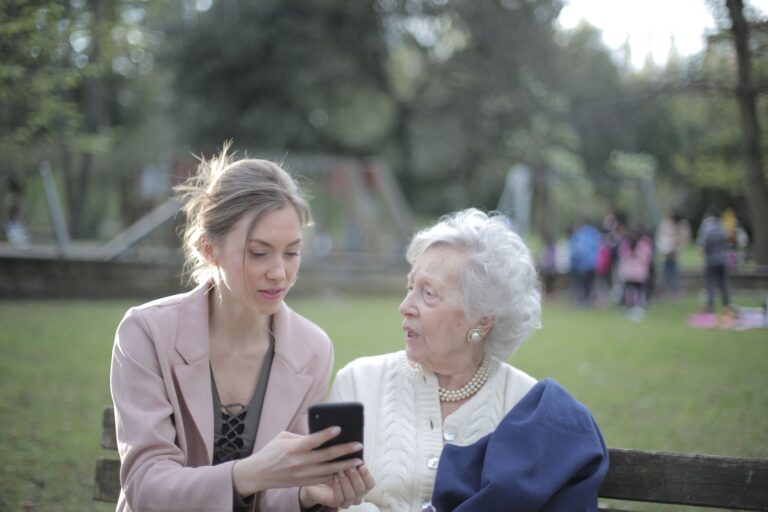
Shared care-team calendars help caregivers track appointments for a parent with memory loss. Listed options include Lotsa Helping Hands, CaringBridge and Caring Village, alongside health-system appointment lists for veterans.
A care-team calendar is a shared online calendar that organizes family and friends around care tasks. The Alzheimer's Association describes it as a free personalized online tool to organize helpers and share tasks care-team calendar guide. For memory loss, the shared record matters because the parent may not recall dates or instructions.
Medical information disclaimer: This article is for general educational purposes only and does not provide medical advice, diagnosis, or treatment. Always consult a physician or other qualified health professional about symptoms, medications, tests, or treatment decisions.
Table of Contents
- What can a shared calendar do?
- How can long-distance caregivers stay in the loop?
- How should veterans track VA appointments?
- What setup prevents missed appointments?
What can a shared calendar do?
A shared calendar gives one place for visits, rides and medical appointments. Coordinators can post specific requests, and members can sign up for tasks they will cover. That structure reduces phone chains and missed handoffs. Lotsa Helping Hands says its Help Calendar lets coordinators post requests for meals, rides to medical appointments and visits.
Members sign up for tasks and get automatic reminders so commitments are not missed. Use the ride request for the exact pickup time, clinic address and contact person. Caring Village says its caregiver app provides a centralized shared calendar to coordinate schedules, flag priority events and request volunteers family caregiver app details. It also syncs with Google, Apple or Outlook calendars and offers printable export. Print the week for a parent who uses paper, and keep the digital version for helpers.
How can long-distance caregivers stay in the loop?
NIH MedlinePlus Magazine says long-distance caregivers who manage finances, medical appointments and coordination with other caregivers can use video calls, group chats and shared calendars to stay connected long-distance caregiving strategies. Put every confirmed appointment in the shared calendar right away. Add the doctor name, purpose, arrival time and who will attend.
Permission must come before calls to the clinic. The same NIH magazine advises caregivers to obtain the loved one's written permission for clinicians to share medical information. Doctors require that permission before discussing health and appointment details.
How should veterans track VA appointments?
The U.S. Department of Veterans Affairs says My HealtheVet on VA.gov lets users schedule some VA appointments online and request approved community-care appointments managing VA health appointments online. Users can also review and print appointment lists with facility locations.
Keep that printout with the parent's ID and medication list. The manual-entry Health Calendar is no longer available. VA says the original My HealtheVet Health Calendar for manually entering personal events is retired. Users can still review VA and community-care appointments online and add them to a personal digital calendar.
What setup prevents missed appointments?
Make one person the calendar keeper for each week. That person confirms the time the day before, assigns the ride and updates changes at once.
For memory loss, consistency lowers confusion. Add community-care approvals to the same calendar once confirmed, so private rides and VA dates do not conflict.
- Get written permission for each clinician to share information
- Post the appointment, ride need, pickup time and companion name
- Turn on automatic reminders and calendar sync for helpers
- Print the current appointment list for the home and the go-bag