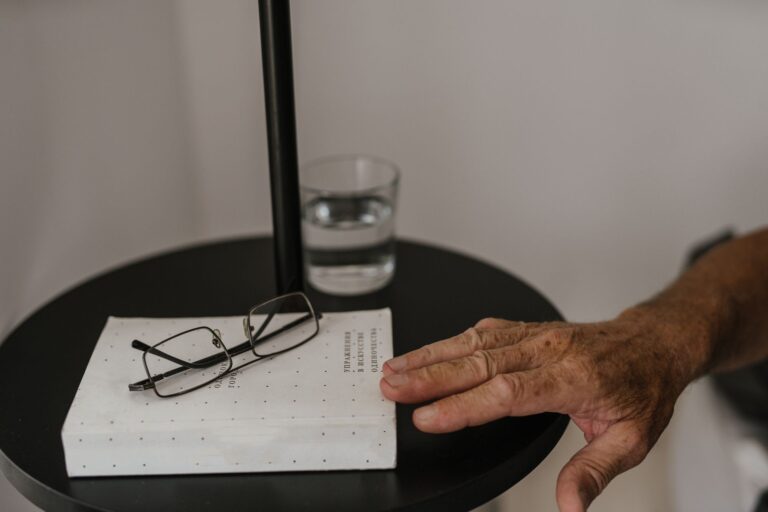
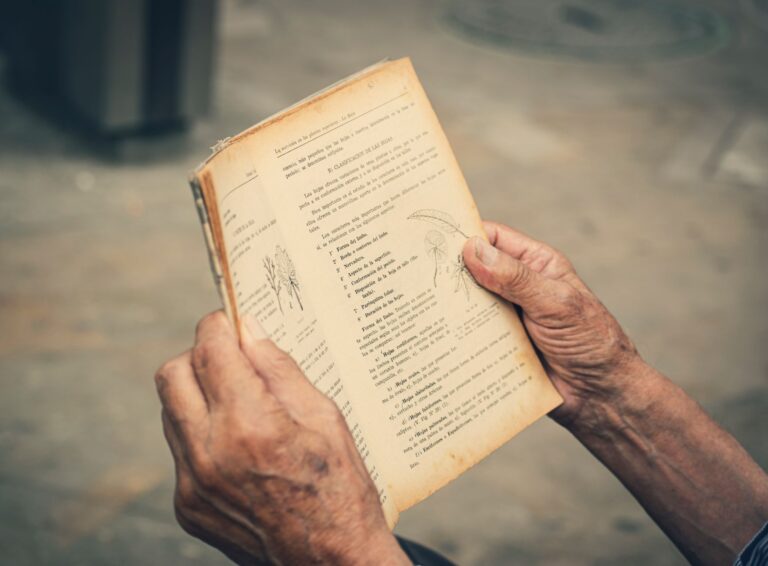
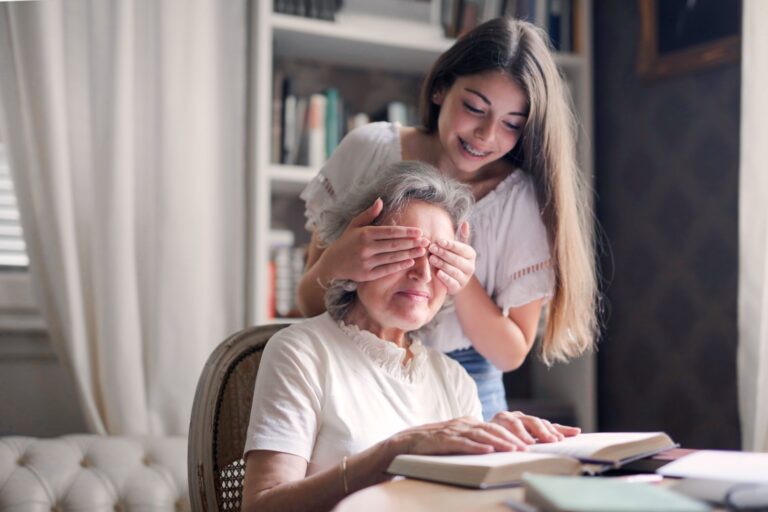
Caregivers can use small personal picture books with one clear photo and a short caption to invite calm, focused talk. Lewy body dementia is a progressive brain disorder that impairs attention, alertness and visual perception.
That fluctuation shapes daily care. More than 1 million Americans live with Lewy body dementia, according to the National Institute on Aging overview. Families often manage hallucinations, movement symptoms and changing alertness.
Medical information disclaimer: This article is for general educational purposes only and does not provide medical advice, diagnosis, or treatment. Always consult a physician or other qualified health professional about symptoms, medications, tests, or treatment decisions.
Table of Contents
- Match the Book to Shifting Attention
- What Should Each Page Show?
- How Should You Read Together?
- What If Hallucinations or Fatigue Interrupt?
Match the Book to Shifting Attention
Dementia with Lewy bodies causes progressive decline with fluctuating attention and visual perception plus early recurrent visual hallucinations, according to the National Institute of Neurological Disorders and Stroke information page. The same person may follow a book easily at noon and struggle at dusk. Keep sessions brief and watch for tired eyes, restlessness or staring past the page.
Choose one uncluttered photo per page with strong contrast and a plain background. Use bright, even light and hold the book steady at eye level. Avoid crowded collages, tiny prints or glossy glare that can blur edges.
What Should Each Page Show?
Make it personal and specific. A 2023 review in JMIR Aging of Bourgeois work found that a memory wallet of about 30 personal photos with 5- to 7-word captions helped people with midstage dementia stay on topic, according to the JMIR Aging evidence review. Short declarative sentences work best because they give one clear anchor per page. Use names, places and actions. Try captions such as You grilled burgers at Lake Anna.
Or Mara graduated from nursing school. Add family, pets, jobs, holidays and daily routines. Build the book with the person over several sittings when possible. University of Groningen reviewers linked such co-created life-story books to triggered memories, better mood and stronger caregiver bonds. Severe-dementia memory-book research also found more on-topic life facts when pages paired pictures with written sentences.
How Should You Read Together?
Use a calm, reassuring voice and simple language, one idea at a time. The Lewy Body Dementia Association care brief recommends that pace plus adequate lighting and visual supports such as photos, drawings and written cues, according to the Association care brief on non-drug strategies. Point to the photo as you read.
Allow extra time for a response. Structured, interactive reading beats passive read-alouds for moderate-to-severe dementia in nursing-home research. Let the person touch the page, name objects and choose what to revisit.
- Sit face-to-face in quiet light without TV noise.
- Show one photo and read its short caption slowly.
- Pause and invite one response with an open prompt.
- Follow the lead and return to favorite pages.
What If Hallucinations or Fatigue Interrupt?
Do not argue about what is real during a hallucination. National Institute on Aging caregiver guidance advises staying calm, acknowledging feelings, reassuring safety and gently redirecting attention. A familiar page can be that redirect.
Say you look uneasy and you are safe here. Then offer a loved photo. If alertness drops, do not push through. Close the book, offer water or rest, and try again later when focus returns.