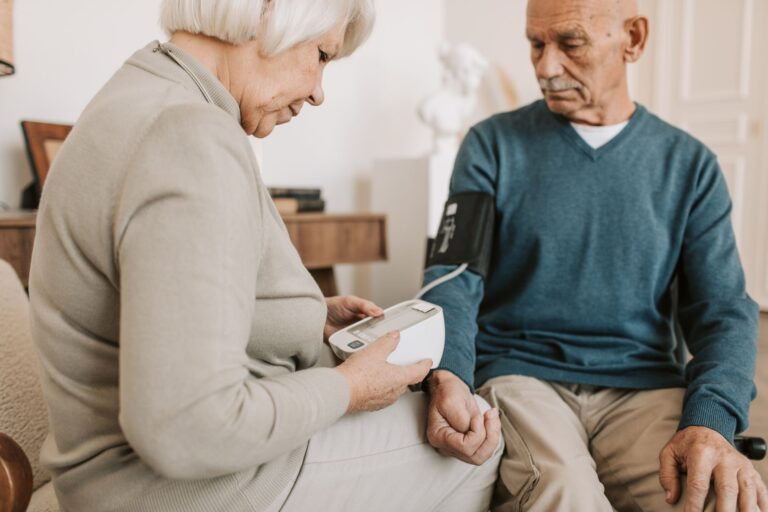
Aurora Health Care and its partner Advocate Health Care are improving Alzheimer’s screening and detection by equipping primary care offices with digital cognitive assessment tools and expanding access to memory specialists. Since May 2022, the health systems have deployed BrainCheck’s digital screening platform at 40 primary care offices across Illinois and Wisconsin, enabling rapid cognitive assessments during routine patient visits. This approach transforms Alzheimer’s detection from a specialty-clinic process into something accessible at the community level, where most patients receive their routine care.
The improvement goes beyond just adding a new tool. Aurora’s initiative achieved an 81% screening rate for cognitive impairment at annual wellness visits, meaning clinicians can now identify patients with memory concerns far earlier in the disease process. More than 1,000 patients have been screened through this expanded network, and the program has been recognized internationally—Aurora Health Care and Advocate Health Care were among only 12 health systems worldwide, and just 5 in the United States, to receive grants in 2022 from the Davos Alzheimer’s Collaborative for early detection projects.
Table of Contents
- What Digital Screening Tools Are Aurora and BrainCheck Using?
- Expanding Early Detection Across Primary Care Networks
- The Role of Integrated Diagnostic Support in Cognitive Assessment
- Bringing Cognitive Screening Into Annual Wellness Visits
- Limitations and Challenges in Early Alzheimer’s Detection
- Building Healthcare System Capacity for Dementia Care
- How Provider Training and Collaboration Support Better Outcomes
What Digital Screening Tools Are Aurora and BrainCheck Using?
Aurora’s screening improvement relies on BrainCheck’s digital cognitive assessment platform, a technology designed specifically for rapid testing in busy primary care settings. Rather than lengthy in-person neuropsychological evaluations that might take hours at a specialty clinic, BrainCheck’s tools deliver assessments in minutes, fitting naturally into the workflow of annual wellness visits. The platform evaluates core cognitive domains—memory, attention, processing speed—that are typically affected early in Alzheimer’s disease.
The digital approach addresses a critical healthcare gap. Neuropsychologists and dementia specialists are concentrated in major urban areas and university medical centers, making them inaccessible for patients in rural or underserved communities. By automating initial screening in primary care, Aurora ensures that a patient in a small Wisconsin community can get a cognitive assessment during their regular doctor’s visit, rather than waiting months for a specialist referral or traveling significant distances for testing.
Expanding Early Detection Across Primary Care Networks
The expansion of Aurora’s cognitive screening program has been substantial and intentional. Starting with 40 primary care offices equipped by May 2022, the program has grown to include a 12-month extension running through the end of 2026, supported by ongoing funding and monthly virtual community of practice meetings where providers share experiences and best practices. This sustained expansion reflects a strategic commitment to embedding cognitive assessment into routine primary care rather than treating it as a one-time pilot project.
One limitation of primary care screening, however, is that primary care clinicians may lack formal training in cognitive assessment and dementia diagnosis. While digital tools standardize the screening process, they cannot replace clinical judgment about what positive results mean or how to communicate findings to patients and families. Aurora addresses this through enhanced e-consult support and partnerships with the Wisconsin Alzheimer’s Institute, providing clinicians with expert consultation when screening results are abnormal. Not every patient flagged by a digital screen needs specialist referral—some may benefit from lifestyle modifications, closer follow-up, or education before escalation to memory clinics.
The Role of Integrated Diagnostic Support in Cognitive Assessment
When BrainCheck’s screening tool identifies possible cognitive impairment, Aurora’s system connects patients to additional diagnostic resources rather than leaving the diagnosis incomplete. Depending on the clinical picture, providers may order MRI or CT imaging to rule out structural causes of memory loss—brain tumors, normal pressure hydrocephalus, or stroke—that require different treatments than Alzheimer’s disease. The Wisconsin Alzheimer’s Institute partnership also provides access to formal memory assessments, which offer more detailed characterization of cognitive deficits and help clarify whether changes reflect normal aging, mild cognitive impairment, or dementia.
This integrated approach acknowledges that cognitive screening is just the first step. A positive screen might indicate Alzheimer’s disease, but it could also reflect depression, medication side effects, sleep apnea, or vitamin deficiencies—all potentially reversible causes that primary care is well-positioned to identify and treat. Without this follow-up integration, screening alone creates anxiety without improving outcomes. Aurora’s model ensures that abnormal results lead to actionable diagnostic workup rather than confusion.
Bringing Cognitive Screening Into Annual Wellness Visits
One of the most practical improvements Aurora has made is timing. By incorporating cognitive screening into annual wellness visits—appointments that Medicare covers and that most patients attend for preventive care—Aurora removes a barrier to early detection. Patients don’t need to request a cognitive evaluation or recognize that they need one; the screen happens automatically, the same way cholesterol testing or blood pressure monitoring does. The 81% screening rate achieved across Aurora’s primary care network demonstrates that this integration works at scale.
Clinicians are actually performing the cognitive assessment when given tools that fit into their visit workflow and take just minutes. Compare this to the alternative: asking every patient to seek out a neuropsychology appointment, recognize symptoms themselves, and push for specialist evaluation. That friction means many people with early cognitive changes never receive formal assessment until symptoms are severe enough that family members insist on it. Aurora’s approach shifts the burden from the patient’s shoulders to the healthcare system’s.
Limitations and Challenges in Early Alzheimer’s Detection
Digital screening tools, while valuable, have important limitations that clinicians must understand. Most cognitive screening tests are optimized to detect moderate-to-advanced impairment but may miss subtle early changes, particularly in cognitively high-functioning individuals whose baseline intellectual abilities are well above average. A retired professor with decades of education might score in the “normal” range on a brief cognitive screen despite experiencing real, meaningful cognitive decline from baseline. This is why Aurora’s expanded partnership with memory specialists and the Wisconsin Alzheimer’s Institute matters—expert judgment is still necessary.
Another challenge is the potential for overdiagnosis and unnecessary worry. Not every score slightly below normal represents disease. Normal aging includes some slowing of processing and occasional memory lapses. Without careful discussion of results, patients may become unnecessarily anxious about findings that reflect healthy aging rather than pathology. The e-consult support Aurora provides helps mitigate this, but it remains a genuine tension in expanding screening: cast a wide net to catch early disease, and you will also catch false positives that require reassurance and explanation rather than aggressive treatment.
Building Healthcare System Capacity for Dementia Care
Aurora’s approach recognizes that improving Alzheimer’s detection also requires improving the capacity of healthcare systems to manage what’s detected. Equipping 40 primary care offices with screening tools is one part; training clinicians to interpret results and manage early cognitive impairment is another. The monthly virtual community of practice meetings serve this function, creating a forum where providers can discuss challenging cases, share what’s working, and build expertise collectively.
The international recognition Aurora and Advocate received—inclusion among only 12 health systems worldwide selected for Davos Alzheimer’s Collaborative funding—reflects the relative rarity of this kind of integrated, system-wide approach to early detection. Most healthcare organizations haven’t yet reorganized their workflows or resources to make cognitive screening routine in primary care. Building that capacity requires ongoing commitment beyond the initial technology implementation.
How Provider Training and Collaboration Support Better Outcomes
The most sustainable improvements in Alzheimer’s detection come not from tools alone but from educated clinicians who understand how to use those tools and what to do with the results. Aurora’s partnership structure—involving primary care networks, the Wisconsin Alzheimer’s Institute, and technical support through BrainCheck—ensures that providers aren’t left alone to interpret and act on screening results. Monthly virtual meetings provide ongoing education about cognitive assessment, dementia management, and how to communicate findings to patients in ways that are neither alarming nor dismissive.
This collaborative structure also creates accountability and measurement. By tracking screening rates, positive findings, and follow-up care, Aurora can identify which offices are effectively implementing the program and which may need additional training or support. The achievement of an 81% screening rate across 40 offices suggests that standardized tools, clear workflows, and regular provider communication can institutionalize cognitive screening rather than leaving it to individual clinician initiative.
- —