Music therapy programs, particularly those structured around concert-based experiences, offer dementia care facilities a powerful tool for reducing behavioral symptoms, improving mood, and enhancing social engagement among residents. Unlike passive listening or background music, live or professionally curated concert experiences create moments of connection that can temporarily restore clarity and reduce agitation in individuals experiencing cognitive decline.
A concert-based program typically involves scheduled, organized performances—whether live musicians performing in the facility or high-quality recorded performances presented in a group setting—designed specifically to engage residents with dementia in shared, meaningful experiences. Concert-based music therapy differs fundamentally from standard music listening because it combines structured presentation, group participation, and the expectation of an “event.” This framework activates the brain’s reward centers and social engagement systems simultaneously. Residents with severe dementia who may struggle to initiate conversation often become animated during or after these experiences, sometimes singing along to familiar melodies or conversing with staff and peers about the music—behaviors that may not occur during ordinary daily care routines.
Table of Contents
- How Do Concert-Based Music Programs Create Measurable Changes in Dementia Care?
- The Brain’s Response to Live and Curated Musical Performance in Dementia
- Real-World Examples of Concert-Based Interventions in Residential Facilities
- Implementing Concert-Based Programs in Dementia Care Settings
- Limitations and Risks in Concert-Based Therapy Programs
- Building Sustainable Community Partnerships for Music Programs
- Measuring Therapeutic Outcomes Beyond Immediate Behavioral Responses
- Frequently Asked Questions
How Do Concert-Based Music Programs Create Measurable Changes in Dementia Care?
Concert-based music therapy works through multiple neurological pathways. Music memory often persists longer than verbal memory in dementia patients because it engages different brain regions than language and semantic processing. When a resident with moderate to severe cognitive decline hears a song from their youth, that moment can trigger not just recall of the music itself but associated memories, emotions, and sense of identity. The structured, predictable nature of a concert—a beginning, middle, and end—provides cognitive scaffolding that helps organize the experience and makes it less disorienting than chaotic or unexpected stimuli.
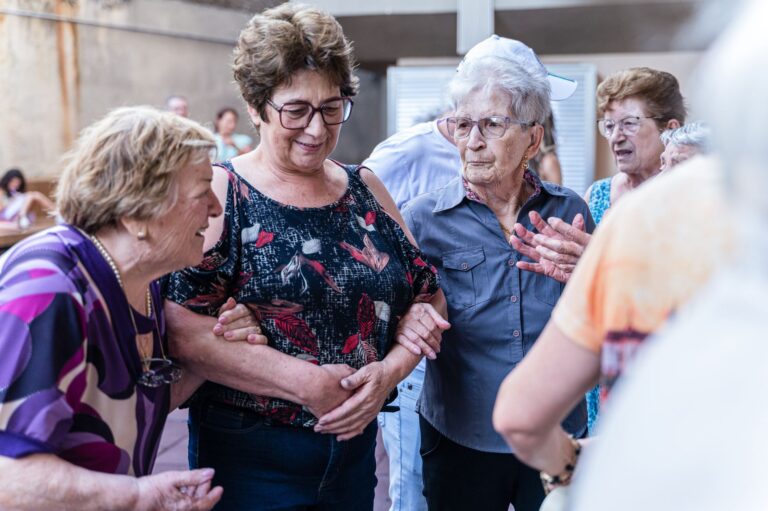
The group format amplifies therapeutic benefit. When multiple residents experience music together, they often synchronize their responses—clapping, swaying, or vocalizing in unison. This synchronization activates mirror neuron systems and releases endorphins, the body’s natural feel-good chemicals. Facilities implementing concert programs frequently report that residents who rarely speak initiate interaction with staff or other residents after performances. Some programs track changes in prescribed medication use, documenting reduced need for antipsychotics or anti-anxiety medications among residents who participate regularly in concert experiences.
The Brain’s Response to Live and Curated Musical Performance in Dementia
Music engages the auditory cortex, motor areas, emotion centers, and memory networks simultaneously. When these systems activate together during a concert experience, the brain creates a temporary state of heightened neuroplasticity—a window where learning and memory consolidation become possible. Even in advanced dementia, this window remains open. Research into music and dementia has shown that residents can form new memories when music is the carrier of that memory, sometimes retaining information presented musically longer than information presented verbally.
However, not all music selections produce equivalent benefits, and this is where concert curation becomes critical. Overstimulating environments—concerts with loud amplification, rapid tempo changes, or unfamiliar genres—can increase agitation rather than reduce it. Individual preferences matter enormously; a carefully selected classical performance may deeply calm one resident while a jazz program agitates another. Some facilities have found that mixing familiar music (songs from residents’ lifetimes) with gentle instrumental music produces better outcomes than highly varied programs. Staff training becomes essential because poorly implemented concert experiences—rushed transitions, inadequate noise management, or unsuitable musical choices—can overwhelm residents rather than engage them therapeutically.
Real-World Examples of Concert-Based Interventions in Residential Facilities
Specialized dementia care units have adapted concert models in various ways. One common approach uses a designated “music room” or common area where facilities host weekly performances from local musicians—pianist, vocalist, or small ensemble. Before each concert, staff prepare residents by discussing who will perform and what music will be played, anchoring the experience in anticipation. Another model uses high-quality video concerts or curated Spotify playlists specifically sequenced to move through tempos and emotional tones—building from calm introductions to familiar, activating pieces, then back to gentle closure.
Some facilities have found success with “sing-along” concert formats where musicians teach a few lyrics and residents participate actively. A memory care unit in an urban setting partnered with a local music conservatory to bring student musicians for monthly performances; the students gained service learning experience while residents received regular musical engagement. Facilities tracking data often report improved sleep patterns, reduced nighttime agitation, and fewer incidents requiring behavioral intervention on days when concert programming occurs. However, consistency matters: a single concert followed by weeks without music typically produces temporary benefit only. The most robust outcomes emerge when facilities sustain weekly or twice-weekly programming.
Implementing Concert-Based Programs in Dementia Care Settings
Starting a concert program requires realistic planning. Facilities need a dedicated space with adequate seating, lighting that doesn’t disorient residents, and acoustics that allow music to be heard clearly without being overwhelming. The sound level of music becomes a practical concern; amplification that might be appropriate for a healthy older adult’s concert experience may distress someone with sensory sensitivities heightened by dementia. Pre-recorded high-quality music may offer more control over volume and pacing than live performance, though many facilities report that residents respond more vividly to live musicians. Staffing considerations are substantial.
Ideally, one staff member should be assigned to observe and support residents during concerts, attending to individual needs and documenting any behavioral changes. Residents who become agitated need calm redirection; those who want to leave should not be forced to remain. The concert experience should enhance autonomy and choice, not impose passive spectatorship. Costs vary widely—a volunteer musician performing monthly costs nothing beyond facility space, while contracted professional musicians performing weekly might cost several hundred dollars monthly. Some programs have accessed grant funding from arts organizations, aging services foundations, or state dementia care initiatives. Community partnerships with music schools, church musicians, or community bands offer sustainable low-cost options, though consistent scheduling can be challenging when relying on volunteer musicians.
Limitations and Risks in Concert-Based Therapy Programs
Not all residents benefit equally from group concert experiences. Some individuals with severe dementia become more confused or distressed in groups, no matter how carefully the music is selected. Others experience what researchers call “sundowning”—heightened agitation or confusion in late afternoon—which concert timing must account for. Morning and early afternoon concerts generally produce better outcomes than evening programming, yet this constraint may not align with musician availability or family visiting patterns. The sustainability challenge is significant.
Initial enthusiasm for launching a concert program can wane as staff turnover occurs or funding sources shift. A program active for three months then abandoned may leave residents with renewed expectations that are disappointed. Some facilities have experienced increased behavioral incidents in the weeks after stopping regular music programming, as if residents mourned the loss of a meaningful activity. Additionally, concert-based programs can inadvertently increase inequity: if only ambulatory residents in a particular unit attend concerts, more dependent residents in other areas miss the benefits. Facilities implementing concert programs should plan for inclusive participation, which may require modified formats for bed-bound or more severely cognitively impaired residents rather than assuming one concert format serves all residents equally.
Building Sustainable Community Partnerships for Music Programs
The most successful concert programs operate through structured community partnerships rather than one-off performances. A facility might establish a standing relationship with a local church’s volunteer choir, a music therapy student intern program, or a municipal orchestra’s community outreach initiative. These partnerships ensure consistent scheduling, rotate performers to maintain novelty, and often cost significantly less than contracting independent musicians.
Documentation and feedback loops strengthen these partnerships. Facilities that share specific resident responses—photos of residents singing, anecdotes about improved engagement—help volunteer musicians understand the impact of their work and increase their commitment. Some facilities hold brief volunteer appreciation events or provide certificates acknowledging musician contributions. The partnership becomes sustainable when both the facility and the musicians perceive mutual value rather than the relationship being a one-directional favor the musicians perform.
Measuring Therapeutic Outcomes Beyond Immediate Behavioral Responses
Facilities evaluating concert program effectiveness often track multiple metrics. Direct behavioral observation during and immediately after concerts documents engagement—singing, clapping, facial expression, social interaction with peers. Longer-term metrics include changes in psychotropic medication use, reduction in behavioral incidents requiring de-escalation, sleep quality, and family-reported observations of mood or alertness. Some programs use standardized dementia assessment tools administered monthly, comparing scores during months with active concert programming against baseline months without such programming.
One practical measurement approach involves staff documentation of specific resident interactions. When a resident who typically does not communicate initiates conversation about yesterday’s concert, that represents meaningful cognitive and social engagement. Staff noting reduced agitation on days following concerts, compared to other days, provides concrete evidence of therapeutic benefit relevant to that specific facility and resident population. The most rigorous programs maintain simple logs tracking attendance, resident engagement level on a scale, and behavioral observations, building a local evidence base about what works for their specific resident population. This approach bypasses the limitation that published research may not match the exact demographics, culture, or care model of any individual facility, while still creating accountability and supporting decisions about whether to expand, modify, or maintain concert programming.
- —
Frequently Asked Questions
Do residents with advanced dementia benefit from concert-based music therapy?
Yes. Research and clinical observation indicate that even residents with severe cognitive decline respond to music, sometimes demonstrating recognition, mood improvement, and social engagement during and after concerts. The brain’s music processing systems remain relatively preserved in dementia longer than other cognitive systems.
What type of music works best for dementia concert programs?
Individual preferences vary significantly, but music from residents’ formative years (typically their teens through mid-thirties) tends to produce strongest recognition and emotional response. Gentle tempos, familiar melodies, and live acoustic instruments generally elicit calmer responses than loud amplification or unfamiliar modern music, though some residents enjoy upbeat music that energizes rather than calms.
How often should concert-based programs occur to maintain therapeutic benefit?
Weekly concerts produce more sustained behavioral benefits than isolated monthly performances. However, any structured regular music engagement appears beneficial; facilities unable to offer weekly programming benefit from bi-weekly or monthly concerts rather than abandoning the approach as impractical. Consistency matters more than frequency.
Can concert-based music therapy replace medication for behavioral symptoms?
Concert programs can reduce the severity of behavioral symptoms and sometimes allow lower medication doses, but they should be viewed as complementary to, not replacement for, medication when medication is clinically indicated. A combination of appropriate medication, behavioral supports, and meaningful activities including music generally produces better outcomes than any single intervention.
What if residents become agitated during concerts?
Residents should never be forced to remain in a concert if they become distressed. Staff should have clear protocols for supporting agitated residents—offering quiet spaces, one-on-one redirection, or removing them from the group setting if needed. Some residents may benefit from attending concerts in very small groups rather than large gatherings. Flexibility about participation enhances rather than diminishes therapeutic benefit.
How can facilities start a concert program with limited budget?
Volunteer musicians from community churches, music schools, or community bands often perform for free. Student music therapy interns seeking service learning opportunities may be available through local universities. Many facilities begin by inviting one volunteer musician monthly and scale up as the program proves beneficial. Grant funding from arts councils or aging services organizations can support expansion once the program is established. —