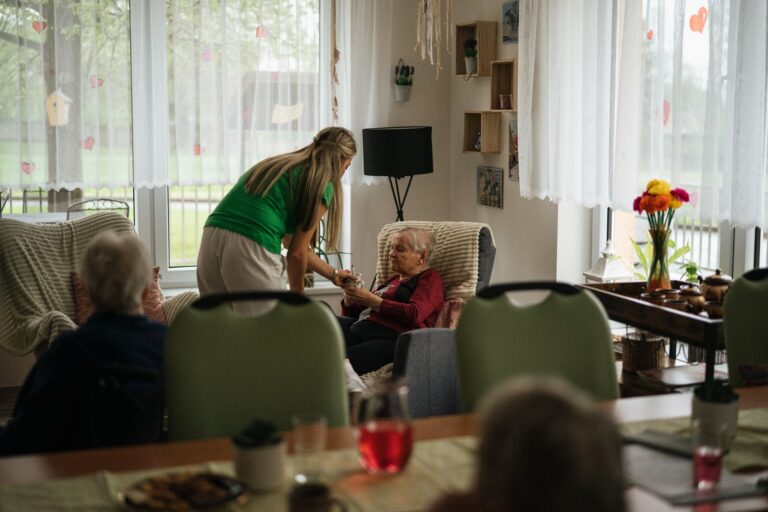
The 2026 research priorities for home-based dementia care call for support that helps people remain at home with coordinated, equitable and practical help. For long-distance caregivers, defined as living an hour or more away, that means managing money, appointments and local partnerships from afar. That shift puts remote caregivers in a coordination role rather than a bedside role. Success depends less on finding one perfect service and more on steady communication, simple home supports and trusted local contacts.
Medical information disclaimer: This article is for general educational purposes only and does not provide medical advice, diagnosis, or treatment. Always consult a physician or other qualified health professional about symptoms, medications, tests, or treatment decisions.
Table of Contents
- What the national priorities now target
- What does independence at home require
- How can you coordinate from an hour away
- Why one program will not fix outcomes
- Frequently Asked Questions
What the national priorities now target
Researchers, people living with dementia, care partners, providers, community groups and federal partners met March 17-19, 2026 to assess progress and set gaps, as reported by the Roybal Coordinating Center. The resulting NIA summary stressed economic and quality-of-life impacts, scalable interventions through community partnerships, data systems, care coordination, equitable diagnosis and treatment access, and remaining at home, according to ARCH National Respite Network summarizing NIA in its summary of the NIA report.
For distant families, the message is direct. Funders want programs that work across clinics, homes and community groups, not clinic-only models. Your job is to connect those pieces around one person.
What does independence at home require
More than 300 people living with dementia and paid and unpaid carers across Scotland shaped five Grand Challenges for CONSOLIDATE research, led by Heriot-Watt, Strathclyde and Age Scotland. The top home challenge is independence at home, covering daily routines, safety and autonomy, alongside mobility, simple stable dementia-inclusive technology, social connection and sustainable carer support, as described by Heriot-Watt University in its report on national priorities for independence.
From afar, apply that list as a home check. Keep morning and evening routines consistent, reduce fall and cooking risks, and choose one stable phone, sensor or reminder system. Favor familiar contacts and short visits over new apps.
How can you coordinate from an hour away
The Morrison Communities, citing NIA, describes remote roles that include finances, scheduling appointments, emotional support, respite planning and dividing tasks by strengths, travel limits and work impact. The Alzheimer's Association advises reassessing needs each visit as dementia progresses, staying in regular contact with local caregivers, and centralizing provider, pharmacy, financial and legal contacts. Use a shared routine you can run from home: Training is scarce.
AARP reports about 63 million U.S. adults gave ongoing care in the past year, yet only 11 percent received training for daily activities and just over 20 percent for medical tasks. Ask the care team to demonstrate medications, transfers and emergency steps before you leave town.
- keep one contact sheet with doctors, pharmacy, neighbors and backup helpers
- schedule a brief weekly call with the local caregiver and note changes
- reassess safety, meals, hygiene and mood during every visit
- save the Association helpline and Community Resource Finder for referrals
Why one program will not fix outcomes
The largest pragmatic dementia-care trial, D-CARE with 2,176 dyads, found no difference in behavioral symptoms or caregiver stress across health-system, community-based or usual care, though confidence and satisfaction rose. The NIA IMPACT Collaboratory reports those results in its analysis of D-CARE results and GUIDE implications.
Treat that finding as a warning and a plan. Do not wait for one referral to resolve behavior changes or stress. Build navigation skill, keep local partnerships active, and measure success by safety, calm routines and caregiver backup.
Frequently Asked Questions
How often should I reassess needs from afar?
Reassess on every visit and after any hospital stay, fall or behavior change, then update the contact sheet and task split.
What technology works best for dementia at home?
Choose simple, stable tools the person already accepts, such as one phone, one reminder method and basic safety sensors.
What if local help is limited?
Ask clinics, respite programs and community groups for navigation help, and use the Association helpline and Community Resource Finder to locate options.
You Might Also Like
- The Ideal Dementia Care Map Discussed by NIA in 2026: What the Report Means for Long-Distance Caregivers
- UAS-CLEAR Dementia Care Research Data Priorities in 2026: What the Findings Mean for Adult Children
- UAS-CLEAR Dementia Care Research Data Priorities in 2026: Research Participation Questions for People With Mild Cognitive Impairment