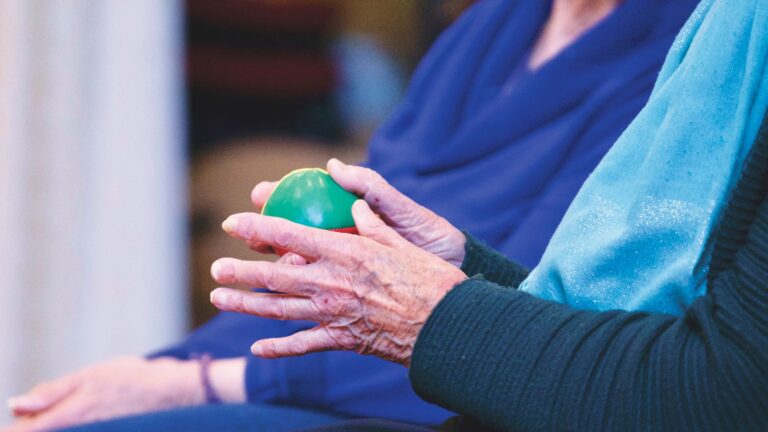
The best reminiscence for Lewy body dementia revisits pleasant memories with family and friends using photos, music, or familiar objects. Keep it brief, positive, and timed to alert periods instead of testing memory.
Lewy body dementia is a form of dementia with fluctuating alertness, visual hallucinations, and movement changes. Reminiscence therapy means discussing past experiences with others using tangible prompts. Prompts include photographs, music, or familiar objects in weekly groups or one-to-one sessions of four to six sessions, according to the Porchlight summary.
Medical information disclaimer: This article is for general educational purposes only and does not provide medical advice, diagnosis, or treatment. Always consult a physician or other qualified health professional about symptoms, medications, tests, or treatment decisions.
Table of Contents
- What sessions look like
- When and how to start
- Can photos ease hallucinations and delusions
- What benefits and limits to expect
What sessions look like
Use one familiar theme at a time, such as a wedding, holiday, job, hometown, or favorite songs. Let the person react, comment, or simply listen while you describe what you see.
Favor conversation over questions. Name people and places yourself first, play a known tune, or pass a keepsake to hold. Practical Neurology advises revisiting pleasant memories with family and friends supported by photographic materials, and favoring positive, familiar topics over testing memory.
When and how to start
LBD brings fluctuating alertness, apathy, agitation, visual hallucinations, illusions, and delusions. The Lewy Body Dementia Association advises scheduling brief reminiscence during alert periods and validating rather than arguing in its behavior-changes guide.
- Pick a calm, alert window and keep it to 10 to 20 minutes.
- Sit side by side to look at an album together.
- Acknowledge distress first, then redirect gently.
- Stop if attention fades, anxiety rises, or hallucinations increase.
Can photos ease hallucinations and delusions
Yes, as a pleasant distraction during mild episodes. A caregiver paging through a wedding album and naming other people first helped distract a person with LBD from a hallucination and delusion episode, and cheerful music, a short walk, or photo browsing are recommended pleasant distractions, according to the Lewy Body Dementia Resource Center in its coping guide part II. For example, say "I miss Dad too.
Let's find him in this album," then point to familiar faces. Keep your tone warm and unhurried. Do not correct the false belief or demand recall.
What benefits and limits to expect
The best dementia review, Woods et al. Cochrane 2018 with 22 trials and 1,972 people, found inconsistent, often small effects and no important overall effect on quality of life right after treatment.
Benefits varied: individual work linked to probable small gains in cognition and mood, group work to slightly better communication, and care-home programs to a slight quality-of-life benefit. The UK National Institute for Health and Care Excellence guideline NG97 recommends considering group reminiscence for mild to moderate dementia to support cognition, independence and wellbeing in recommendation 1.4.3. Joint groups with family carers showed no benefit and increased carer anxiety, cognitive gains are very small and of doubtful importance, and frightening hallucinations with challenging behaviors require contacting the care team promptly.