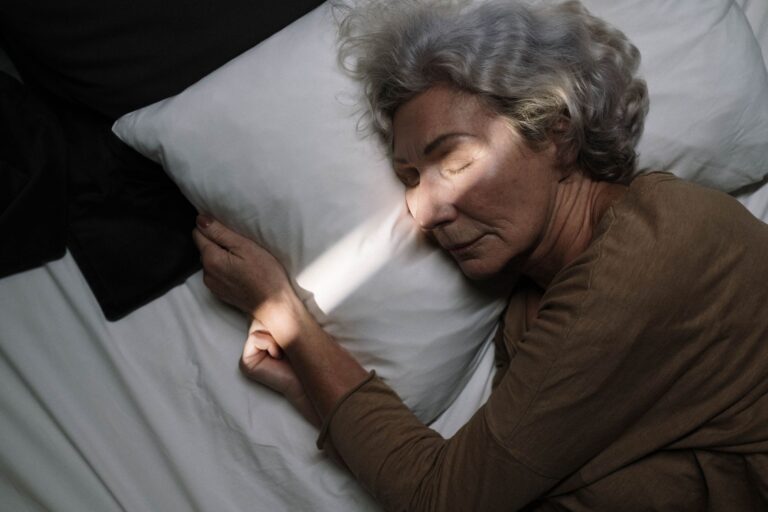
Heat wave sits at the center of this dementia and brain health question.
Across the United States this March, temperatures have climbed 20 to 40 degrees above what’s typical for the season, creating one of the most severe heat waves ever recorded during spring. Yuma, Arizona reached 109°F, shattering the previous national March temperature record of 108°F set in 1954 and 1902.
From the Southwest through the Great Plains, the heat has been unrelenting—Palm Springs hit 105°F, Phoenix climbed to 102°F, and Las Vegas peaked at 94°F, each setting new all-time highs for March in their respective regions. This extreme event is particularly significant for those managing dementia and caring for elderly loved ones, as prolonged heat exposure poses serious health risks to populations who are already vulnerable to temperature regulation problems. This article explains what’s happening meteorologically, why the heat poses specific dangers to people with cognitive impairment, and what caregivers should know to keep those in their care safe during these dangerous conditions.
Table of Contents
- Understanding the Unprecedented Scale of March Heat Records
- Why This Heat Wave Challenges Dementia Care Settings
- Heat-Related Health Complications in Dementia Populations
- Practical Heat Safety Strategies for Dementia Caregivers
- Warning Signs of Heat-Related Illness You Cannot Ignore
- Medication Reviews and Hydration Planning
- Climate Change and the Future of Heat Waves in Dementia Care
- Conclusion
Understanding the Unprecedented Scale of March Heat Records
The temperature records shattered across the country paint a picture of exceptional meteorological extremity. Between Tuesday and Saturday of this event, more than 150 daily temperature records were broken, with approximately 50 monthly all-time records falling across the nation. This isn’t scattered, isolated heat—it’s a regional phenomenon affecting multiple states simultaneously.
All-time March records were either broken or tied in California, Arizona, Colorado, Idaho, South Dakota, and Wyoming. About 40 million Americans in the West are currently facing heat alerts, with forecasted temperatures ranging between 96 and 109°F. To put this in perspective, March temperatures are typically cool as the country transitions from winter; having conditions that rival peak summer heat represents a dramatic departure from normal seasonal patterns.

Why This Heat Wave Challenges Dementia Care Settings
For people with dementia, extreme heat presents compounding risks that extend beyond simple discomfort. The brain’s ability to regulate body temperature naturally declines with age and is further compromised by neurodegenerative conditions like Alzheimer’s disease and other forms of dementia. When external temperatures spike dramatically, the body’s thermoregulation—already struggling—cannot keep pace.
Additionally, many people with dementia take medications that further impair heat tolerance, including antipsychotics, antihistamines, and anticholinergics. These drugs reduce the body’s natural cooling responses like sweating. The combination of biological vulnerability and medication side effects means that a resident in a care facility or an aging adult at home faces exponentially higher risk during a heat wave than the general population. However, if care facilities and families implement proper heat management protocols, many serious outcomes can be prevented.
Heat-Related Health Complications in Dementia Populations
Heat-related illness in people with dementia doesn’t always present the way it does in healthy younger adults. Classic warning signs like thirst sensation or the urge to seek cooler environments are often blunted in dementia patients—their altered cognition means they may not recognize they’re overheating or communicate the problem. This silent progression can lead to heat exhaustion or heat stroke before caregivers notice anything is wrong.
Heat stroke in elderly individuals with dementia can trigger acute behavioral changes, increased confusion, agitation, or a dangerous drop into lethargy. Beyond acute heat illness, exposure to extreme temperatures accelerates cognitive decline in some individuals and can exacerbate existing neurological symptoms. During the current heat wave with temperatures 40 degrees above normal, even one hour of exposure without proper hydration and cooling could trigger a cascade of complications in a vulnerable person.

Practical Heat Safety Strategies for Dementia Caregivers
The most effective heat protection strategy is proactive management rather than reactive response. During extreme heat events, caregivers should establish a routine of frequent hydration—offering water or other non-caffeinated, non-alcoholic beverages every 30 minutes, even if the person doesn’t ask. Keep indoor temperatures between 72 and 78°F using air conditioning; if a facility or home lacks air conditioning, this is the time to seek alternative cooling spaces like libraries, community centers, or cooling shelters.
Dress residents in lightweight, light-colored, loose-fitting clothing. Avoid heavy bedding. Schedule activities during cooler parts of the day (early morning or evening), and never—under any circumstance—leave a person with dementia alone in a vehicle. A comparison worth noting: while the general public can typically handle brief exposure if they’re hydrated and can move between environments, dementia residents require continuous environmental control to remain safe.
Warning Signs of Heat-Related Illness You Cannot Ignore
Standard heat illness presentations—dizziness, nausea, rapid pulse, weakness—are just the beginning. In people with dementia, watch specifically for sudden changes in mental status, which is often the first and sometimes only warning sign of dangerous overheating. A person who is usually calm might become agitated; someone typically talkative might become unusually quiet.
Muscle cramps, while they do occur in younger people during heat exposure, are particularly concerning in the elderly because they signal significant electrolyte imbalance. If someone refuses fluids, seems unusually confused, or has a temperature above 100.4°F during a heat wave, treat it as a medical emergency and seek professional care immediately. A critical limitation of relying on nursing home staff or home health aides to recognize these signs is that inconsistent staffing, shift changes, or simply the variable presentations of dementia-related heat illness can lead to delayed recognition. This is why families should maintain regular communication with care facilities during heat waves and check in personally when possible.

Medication Reviews and Hydration Planning
Before or during a heat wave, it’s worthwhile to review all medications a dementia patient is taking with their physician. Some medications increase heat vulnerability more than others, and doses or schedules may need adjustment during extreme heat periods.
Electrolyte balance matters enormously—plain water alone isn’t always sufficient; beverages with a small amount of salt or oral rehydration solutions help maintain electrolyte levels. Many dementia care facilities have begun implementing “hydration protocols” where staff track fluid intake meticulously during heat events. For example, instead of leaving a water pitcher at a bedside and hoping a resident will drink, staff now bring beverages at scheduled intervals, often making hydration part of the medication dispensing routine so it gets documented and monitored the same way other care does.
Climate Change and the Future of Heat Waves in Dementia Care
Climate scientists have determined that the current heat wave would be “virtually impossible for this time of year in a world without human-induced climate change.” This sobering assessment suggests that extreme spring heat events are likely to become more frequent and more severe in coming decades. For facilities and families managing dementia, this trajectory means heat preparedness should transition from emergency response to permanent operational planning.
Long-term care facilities in regions prone to heat are increasingly investing in backup power systems for air conditioning, training staff specifically in heat-illness recognition, and building heat protocols into daily operations year-round. The implication for families is clear: as climate patterns shift, maintaining reliable cooling and hydration management will become a non-negotiable baseline for safe dementia care rather than an occasional precaution.
Conclusion
The March 2026 heat wave, with temperatures 40 degrees above normal across vast portions of the United States, represents a serious challenge for dementia care providers and families. The record-breaking temperatures—109°F in Yuma, 102°F in Phoenix, and similar extremes across the Southwest and Great Plains—are part of an unprecedented meteorological event affecting 40 million Americans.
For people with dementia, this heat poses particular danger because their bodies cannot regulate temperature effectively, many take medications that impair cooling, and cognitive changes prevent them from recognizing or communicating overheating symptoms. The path forward requires vigilance, knowledge, and preparation: maintain indoor temperatures in the safe zone, hydrate relentlessly, watch for behavioral changes as a sign of heat illness, review medications with physicians, and plan for future heat events as part of standard dementia care protocol. If you are managing care for someone with dementia, check on them frequently during heat waves, ensure they have access to cool environments and continuous hydration, and don’t hesitate to seek medical help if you notice any unusual changes.
You Might Also Like
- Heat Wave Impacts Daily Activities
- Weather Alerts Continue Across Regions
- Heat Conditions Impact Energy Usage
For more, see CDC — Alzheimer’s and Dementia.