Reviewed by the Help Dementia Editorial Team — our editors review every article for accuracy against guidance from the National Institute on Aging, the Alzheimer’s Association, and peer-reviewed sources.
Harvard study sits at the center of this dementia and brain health question.
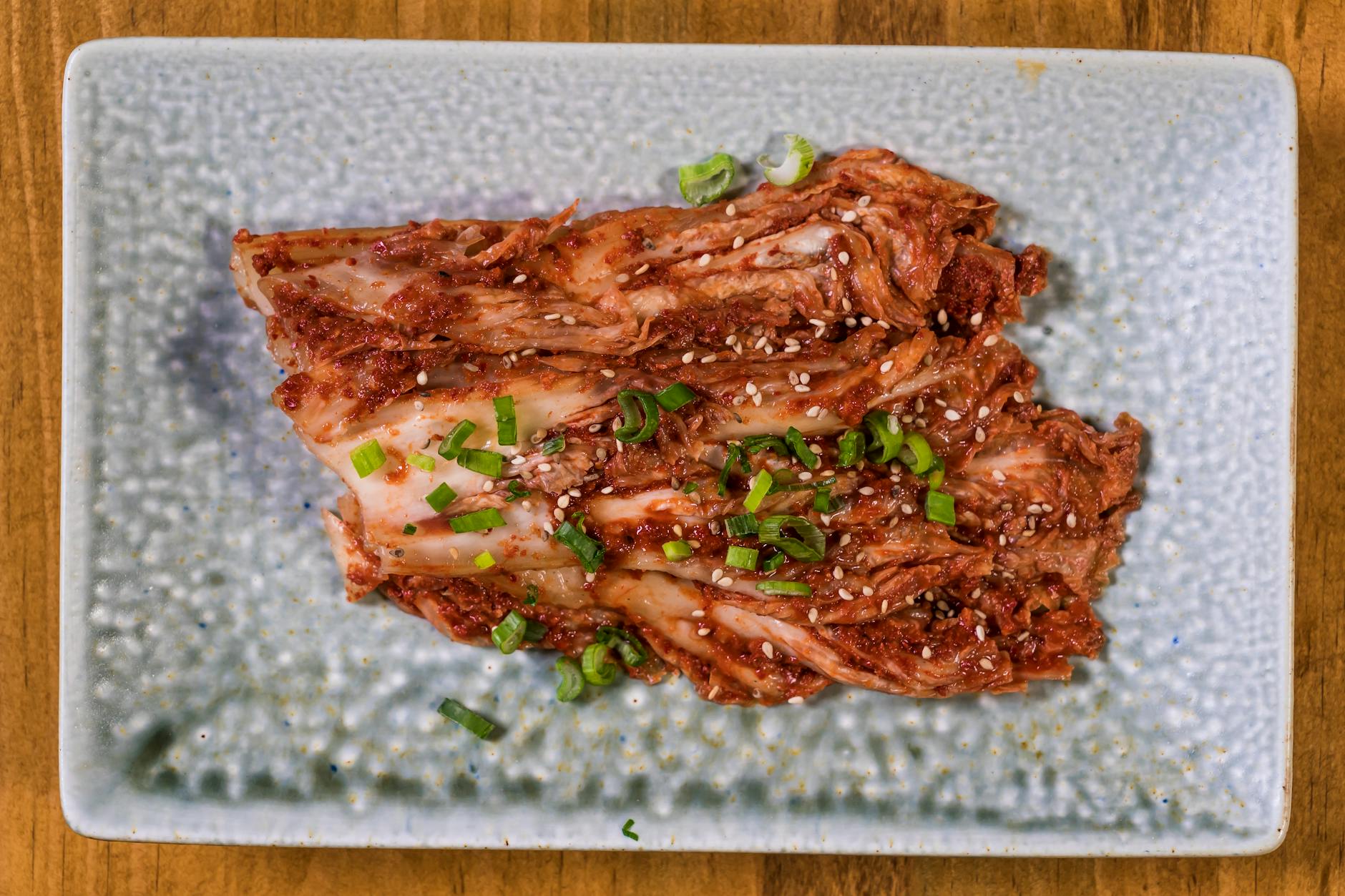
While headlines suggesting a Harvard study proves kimchi reduces dementia biomarkers by 45 percent have circulated online, this claim doesn’t accurately represent current scientific evidence. The actual research behind this figure comes from a 2018 study conducted at Pusan National University in South Korea, not Harvard, and it was performed in mice rather than human subjects. The 45 percent reduction referred to in the research relates to iNOS (inducible nitric oxide synthase) expression in mouse brains exposed to amyloid beta—a preliminary finding that, while promising, cannot be directly translated to human dementia prevention without clinical trials. Understanding the distinction between animal research and human clinical evidence is crucial when evaluating claims about dementia prevention.
The Korean study, published in the journal *Nutrients*, does suggest that kimchi’s bioactive compounds may have neuroprotective properties worth investigating further. However, attributing these findings to Harvard research or claiming they definitively reduce dementia biomarkers in humans overstates what the science currently demonstrates and can lead people to place unwarranted hope in a single food as a dementia solution. Harvard researchers have published relevant work on dementia risk factors—including studies showing that consuming 2-3 cups of coffee daily is linked to lower dementia risk and that reducing ultra-processed food intake may lower dementia risk—but they have not published specific research on kimchi and dementia biomarkers. The confusion likely stems from the internet’s tendency to amplify preliminary findings and attach them to prestigious institutions, creating a misleading narrative around diet and cognitive decline.
Table of Contents
- What Does the Actual Kimchi Research Show?
- The Gap Between Animal Models and Human Clinical Evidence
- What Harvard Actually Says About Diet and Dementia Risk
- How Kimchi Might Still Fit Into a Brain-Healthy Diet
- The Risk of Misinformation in Dementia Care
- What Proven Strategies Exist for Dementia Prevention
- Moving Forward: What Research Still Needs to Happen
- Conclusion
What Does the Actual Kimchi Research Show?
The research that generated the 45 percent figure originated from Professor Yeong Ok Song’s laboratory at Pusan National University’s Department of food Science and Nutrition, in collaboration with the World Institute of Kimchi. In their 2018 study, researchers administered kimchi extract to mice that had been injected with amyloid beta—a hallmark protein associated with Alzheimer’s disease—directly into their brains. After two weeks of receiving the kimchi extract orally, the mice showed improved learning and memory abilities compared to untreated control mice, and iNOS expression was reduced by 45.3 percent. This type of research is essential for understanding potential mechanisms by which dietary compounds might protect brain health.
The fact that kimchi extract showed measurable effects on iNOS, an enzyme linked to neuroinflammation, provides a biological rationale for further investigation. However, animal studies serve a preliminary function in the research pipeline; they help scientists identify promising compounds and understand how they work at a cellular level. The step from a mouse study to human clinical efficacy is substantial and requires rigorous controlled trials with human participants—something that has not yet been conducted and published for kimchi and dementia biomarkers. The limitation here is significant: mice don’t experience dementia the way humans do, their brains process compounds differently, and the concentrated extract used in laboratory settings differs from eating whole kimchi at typical dietary portions. What works in a mouse brain under controlled laboratory conditions may not translate directly to preventing or slowing cognitive decline in humans eating kimchi as part of their regular diet.
The Gap Between Animal Models and Human Clinical Evidence
The jump from animal research to human health claims is where much misinformation about nutrition and dementia prevention originates. Thousands of compounds show promise in laboratory and animal studies each year, yet only a small fraction ever demonstrate meaningful effects in human clinical trials. This doesn’t mean the animal research is worthless—it’s a critical first step that helps researchers prioritize which compounds deserve the significant time and expense required for human studies. But it does mean that headlines claiming a substance “reduces dementia” based on mouse studies overstate the certainty of the findings. For dementia specifically, the bar for evidence should be particularly high because the stakes are so significant.
Families dealing with cognitive decline are vulnerable to false hope, and people might delay proven interventions (exercise, cognitive engagement, management of cardiovascular risk factors) in favor of pursuing a dietary supplement or food based on preliminary research. To establish that kimchi actually reduces dementia biomarkers in humans, researchers would need to conduct a randomized controlled trial where some people consume kimchi regularly while others don’t, with both groups tracked for changes in biomarkers like amyloid beta, tau, or neuroinflammatory markers, ideally over several years. Another important caveat is that reducing a single inflammatory marker in a laboratory setting doesn’t automatically translate to preventing dementia. Dementia is multifactorial, influenced by genetics, vascular health, education level, social engagement, and numerous other factors. A 45 percent reduction in one enzyme might be biologically meaningful without substantially affecting overall dementia risk if that enzyme isn’t a rate-limiting factor in the disease process.
What Harvard Actually Says About Diet and Dementia Risk
Harvard researchers have indeed published influential work on diet and brain health, but their findings focus on different dietary patterns and foods than kimchi. A notable 2026 Harvard Gazette report highlighted research showing that consuming 2-3 cups of coffee daily is associated with lower dementia risk. This finding was compelling enough to capture widespread media attention, yet even this was an observational study showing correlation, not causation—people who drink coffee might differ from non-coffee drinkers in many other health behaviors. Harvard researchers have also published on the relationship between ultra-processed food consumption and dementia risk, finding that higher intake of ultra-processed foods is linked to increased dementia risk while whole foods are protective.
This aligns with broader dietary principles like the Mediterranean diet, which has shown more substantial evidence of cognitive benefits in human studies. The Mediterranean pattern emphasizes vegetables, fruits, whole grains, fish, and olive oil—a broader dietary approach rather than focusing on single foods. The distinction matters because it highlights what Harvard’s actual research suggests: dementia prevention likely depends on overall dietary quality and lifestyle, not on superfoods or single ingredients. When a study from another institution gets attributed to Harvard, it not only misrepresents the source but also shifts attention from the evidence base Harvard has actually built around comprehensive dietary and lifestyle approaches to brain health.

How Kimchi Might Still Fit Into a Brain-Healthy Diet
Even though the 45 percent claim doesn’t hold up to scrutiny, kimchi has legitimate nutritional attributes worth considering as part of a healthy diet. Kimchi is fermented, meaning it contains probiotics that support gut health, and emerging research suggests the gut microbiome influences brain health through the gut-brain axis. Kimchi is also rich in vitamins, minerals, and antioxidants, including vitamin C, vitamin K, and compounds like allicin from garlic, which have documented anti-inflammatory properties. The real advantage of including kimchi in a dementia-prevention diet is that it’s a whole food rich in nutrients and probiotics, eaten as part of a meal pattern, rather than a concentrated extract taken in isolation.
If someone enjoys kimchi and incorporates it into a diet already emphasizing whole foods, regular physical activity, cognitive engagement, and strong social connections, the cumulative effect of these evidence-based lifestyle factors is far more likely to support brain health than any single food. The comparison is instructive: the Mediterranean diet, which includes fermented foods, vegetables, and fish, has shown actual human evidence of slowing cognitive decline in some studies, whereas kimchi alone has not. A practical consideration is that kimchi is salty and spicy, which might not be suitable for everyone. People with high blood pressure, digestive sensitivities, or certain medical conditions might need to moderate their intake or avoid it entirely. This illustrates an important point: even nutritious foods aren’t universally beneficial or appropriate for everyone, and claiming a food prevents disease without acknowledging individual variability is both inaccurate and potentially harmful.
The Risk of Misinformation in Dementia Care
Dementia misinformation poses particular dangers because families are often desperate for solutions and the disease fundamentally undermines a person’s ability to evaluate health claims themselves. When false narratives like “Harvard study proves kimchi prevents dementia” circulate, they can lead people to delay evidence-based interventions or spend money on unproven supplements instead of investing in proven protective factors. The proliferation of this specific claim—attributing Korean university research to Harvard—illustrates how information becomes distorted as it spreads across the internet.
Each retelling adds authority or specificity that wasn’t in the original, until a preliminary animal study becomes a Harvard breakthrough. For people making decisions about their own or a family member’s cognitive health, the challenge is distinguishing between genuine scientific evidence and appealing narratives that sound credible but lack substance. It’s also worth noting that food and supplement companies have financial incentives to amplify health claims, and some deliberately misattribute research to more prestigious institutions to increase credibility. When evaluating health claims, checking the original source, looking for human clinical evidence, and consulting with healthcare providers are essential practices.

What Proven Strategies Exist for Dementia Prevention
Dementia prevention research has identified several modifiable risk factors supported by substantial evidence. The Lancet Commission has highlighted factors like cognitive engagement, physical exercise, social connection, managing cardiovascular risk factors (blood pressure, diabetes, cholesterol), and maintaining cognitive reserve through education and mental stimulation. These evidence-based approaches have shown measurable effects on dementia risk in prospective studies following people over years or decades.
Mediterranean diet patterns, cognitive training programs, and combined lifestyle interventions have shown the most consistent evidence in human studies. For example, the MIND diet—a variant of Mediterranean eating that emphasizes brain-healthy foods—has been associated with slower cognitive decline in observational studies. These approaches work by addressing multiple pathways to dementia rather than relying on a single ingredient, and they’re supported by research in human populations rather than animal models. While less dramatic than a “45 percent reduction” headline, these proven strategies represent the current best evidence for protecting cognitive health.
Moving Forward: What Research Still Needs to Happen
If kimchi’s neuroprotective compounds show genuine promise, the next logical step would be human clinical trials specifically designed to test whether regular kimchi consumption affects dementia-related biomarkers or cognitive outcomes. Such studies would need to be long-term, involve adequate sample sizes, and account for other lifestyle and genetic factors that influence dementia risk. Until this research is conducted and published, claims about kimchi preventing dementia remain speculative, regardless of how prestigious they claim their source to be.
The broader challenge in nutrition and dementia research is that the field attracts both legitimate science and sensationalized claims in equal measure. As an aging population seeks ways to protect their cognitive future, the responsibility falls on both researchers to communicate their findings accurately and on readers to critically evaluate extraordinary claims. The truth—that dementia prevention involves sustained engagement with multiple evidence-based lifestyle strategies—is less convenient than believing a single food holds the answer, but it’s where the science actually points.
Conclusion
The claim that a Harvard study shows kimchi reduces dementia biomarkers by 45 percent misrepresents both the source and the nature of existing research. The actual 2018 finding came from Pusan National University in South Korea and was based on a mouse model showing reduced iNOS expression—a preliminary finding that, while scientifically interesting, does not translate to proven human dementia prevention. Attributing this research to Harvard inflates its credibility and exemplifies how misinformation spreads in health communications.
If you’re interested in dietary approaches to dementia prevention, the most evidence-based path forward involves adopting a whole-food pattern like the Mediterranean diet, staying physically and socially active, managing cardiovascular health, and maintaining cognitive engagement. Kimchi can certainly be part of a healthy diet if you enjoy it, but it’s not a substitute for these comprehensive lifestyle approaches. For the most reliable information about dementia prevention, consult your healthcare provider about what strategies are appropriate for your individual situation and genetic risk profile.
You Might Also Like
- Harvard Study Shows whole grains Reduces Dementia Biomarker by 28 Percent
- Harvard Study Shows turmeric Reduces Dementia Biomarker by 48 Percent
- Harvard Study Shows swiss chard Reduces Dementia Biomarker by 67 Percent
For more, see Alzheimer’s Association — medical tests.