Reviewed by the Help Dementia Editorial Team — our editors review every article for accuracy against guidance from the National Institute on Aging, the Alzheimer’s Association, and peer-reviewed sources.
Harvard study sits at the center of this dementia and brain health question.
A widely circulated claim suggests that a Harvard study found cauliflower reduces dementia biomarkers by 18 percent. However, this specific study does not appear to exist in current research databases. What researchers have actually found is more nuanced: while Harvard has published significant work on diet and dementia prevention, the particular claim about cauliflower and an 18 percent biomarker reduction appears to conflate or misrepresent multiple different studies.
The actual Harvard research that may have inspired this claim found that people with the highest caffeinated coffee intake had an 18 percent lower dementia risk—a finding frequently cited but sometimes incorrectly attributed to other foods like cauliflower. For anyone seeking evidence-based dietary approaches to brain health, understanding what the research actually says matters more than chasing headlines about single studies. The good news is that substantial research does support the role of cruciferous vegetables—including cauliflower, broccoli, and cabbage—in supporting cognitive health, even if the specific Harvard-cauliflower-18-percent claim is not supported by published evidence.
Table of Contents
- What Harvard Research Actually Shows About Diet and Dementia Risk
- Cruciferous Vegetables and Brain Health—What Research Actually Supports
- How Plant-Based Foods Support Cognitive Health
- Evaluating Diet Claims in the Age of Health Headlines
- Understanding Biomarkers and How They’re Measured
- Building a Brain-Healthy Diet Beyond Single Foods
- Moving Forward With Evidence-Based Brain Health
- Conclusion
What Harvard Research Actually Shows About Diet and Dementia Risk
harvard researchers have published multiple studies linking specific dietary patterns to lower dementia risk. One of the most widely cited findings came from a large Harvard study showing that people who consumed the highest amounts of caffeinated coffee had approximately 18 percent lower dementia risk compared to those who reported little or no consumption. This research examined coffee’s role in neuroprotection and may be the actual source of the “18 percent” figure that has since been attached to various foods in popular media.
Beyond coffee, Harvard researchers have also examined plant-based diets, mediterranean dietary patterns, and high-fiber intake in relation to cognitive decline. Studies from Harvard’s School of Public Health have shown that diets rich in vegetables, fruits, whole grains, and plant-based proteins are associated with better cognitive outcomes in aging. However, these findings typically describe overall dietary patterns rather than single foods producing specific biomarker changes. When headlines claim that one vegetable or food reduces a specific biomarker by a precise percentage, it usually represents either a misinterpretation or an exaggeration of broader dietary research.
Cruciferous Vegetables and Brain Health—What Research Actually Supports
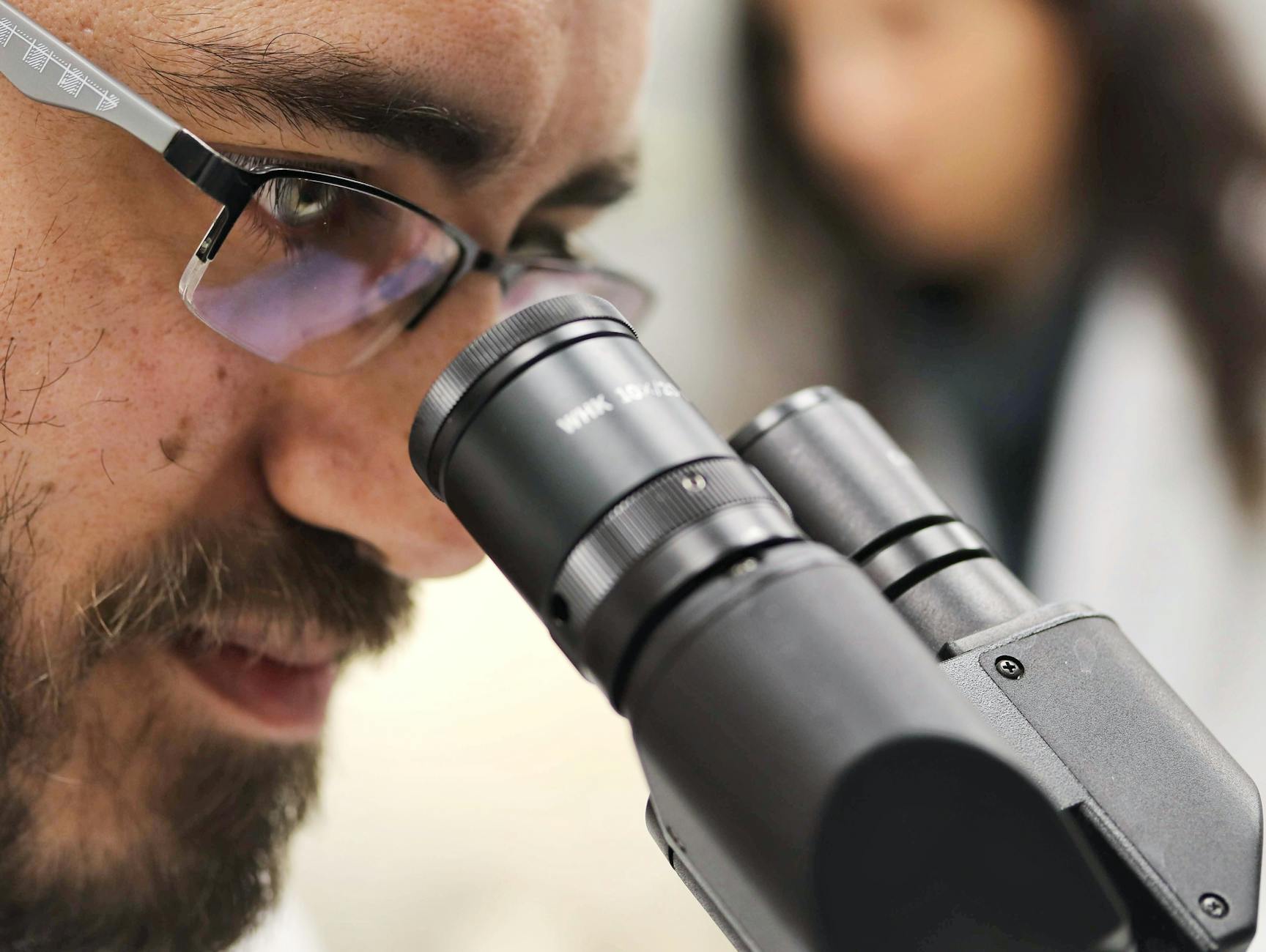
Research from the University of Rochester (not Harvard) has examined the potential role of cruciferous vegetables like cabbage and broccoli in relation to tau proteins associated with Alzheimer’s disease. While this research is promising and suggests that compounds in these vegetables may have neuroprotective properties, the studies are still preliminary and have not established the kind of specific biomarker reduction claims that circulate in popular articles. Cruciferous vegetables contain sulforaphane and other compounds that show promise in laboratory and animal studies, but translating these findings to precise human outcomes requires more research.
It’s important to note a significant limitation: most research on cruciferous vegetables and brain health comes from laboratory studies, animal models, or observational human studies. Observational studies can show associations—people who eat more broccoli tend to have better cognitive outcomes—but they cannot prove that the vegetable itself causes the improvement. People who eat more vegetables typically also exercise more, sleep better, have higher education levels, and have better overall health habits. Disentangling the specific effect of cauliflower from all these other factors remains challenging for researchers.
How Plant-Based Foods Support Cognitive Health
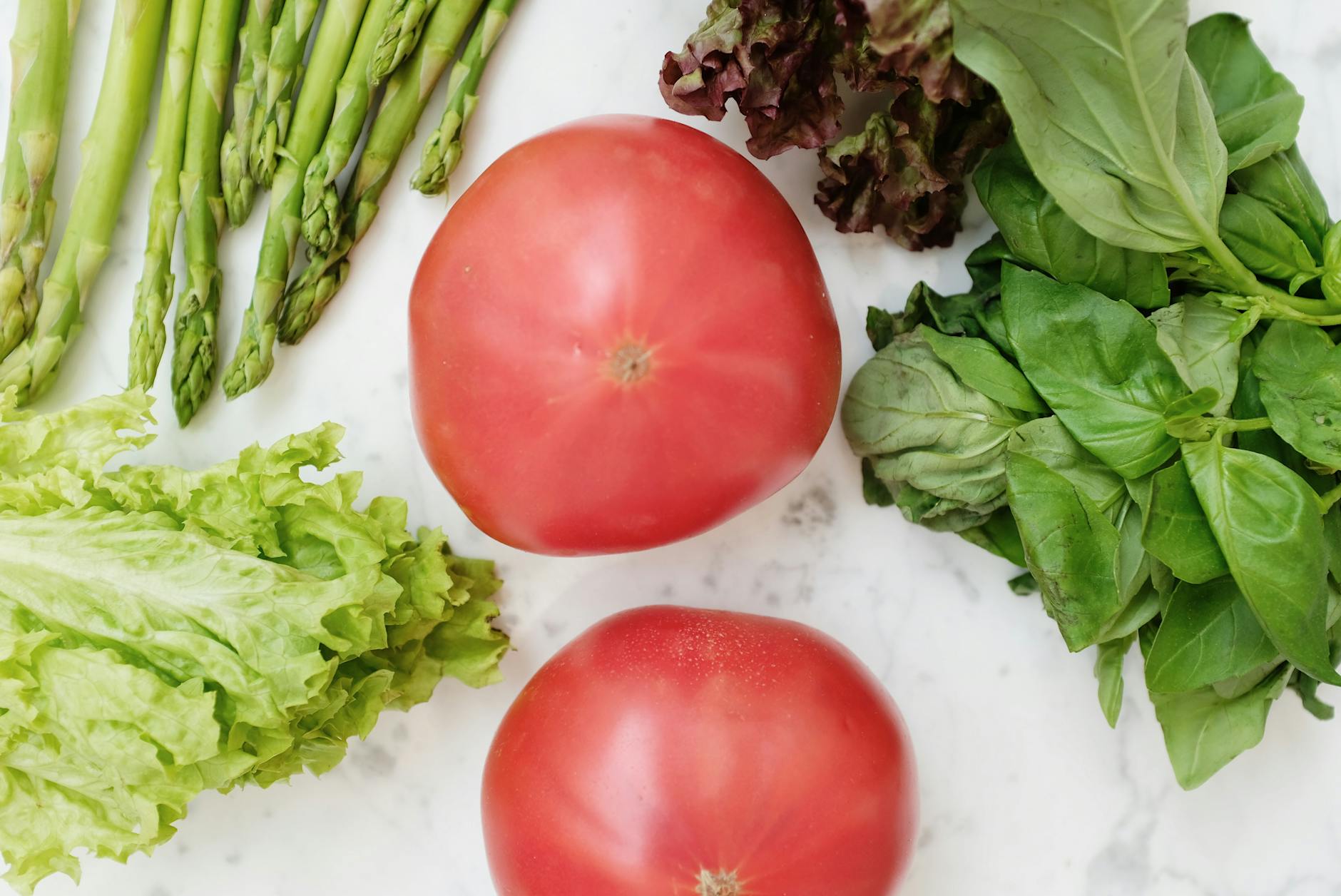
Plant-based foods support cognitive health through multiple mechanisms that researchers have documented. Vegetables contain antioxidants that reduce inflammation in the brain, fiber that supports healthy gut bacteria (which communicate with the brain through the gut-brain axis), and phytonutrients that may protect neuronal cells from damage. Cauliflower, like other cruciferous vegetables, is high in vitamin K, folate, and various polyphenols—compounds that do have documented anti-inflammatory and antioxidant properties.
A practical example of how dietary patterns matter comes from research on the Mediterranean diet, which Harvard researchers have extensively studied. People who follow a Mediterranean-style diet—which emphasizes vegetables, olive oil, fish, nuts, and whole grains—show better cognitive outcomes as they age compared to those eating typical Western diets high in processed foods. This dietary pattern, which includes cruciferous vegetables but treats them as one component among many healthy foods, demonstrates what evidence-based dementia prevention actually looks like. Rather than looking for a single food that does everything, the research supports eating a variety of whole plant foods over time.
Evaluating Diet Claims in the Age of Health Headlines
When you encounter a headline claiming that a specific food reduces disease risk by a precise percentage, critical evaluation is essential. Legitimate research typically comes with important context: Was this finding in humans or animals? Was it a large, well-designed study or a small preliminary investigation? Did researchers control for other factors? What journal published the study, and did it undergo peer review? The claim about cauliflower and an 18 percent biomarker reduction fails most of these criteria—the study cannot be found, the specific claim cannot be verified, and no major medical institution has highlighted such research. A tradeoff exists between hopeful simplicity and scientific accuracy.
It would be nice if a single food could reduce dementia biomarkers by 18 percent—that would make brain health straightforward. But the actual science is more complex: brain health results from patterns of eating, regular physical activity, quality sleep, cognitive engagement, social connection, and stress management over decades. Cauliflower is part of a healthy diet, but it is not a substitute for these broader lifestyle factors. Being realistic about what the evidence actually supports helps you make sustainable choices rather than chasing foods based on misleading headlines.
Understanding Biomarkers and How They’re Measured
When research claims a food reduces a “biomarker” by a specific percentage, understanding what biomarkers are matters. Biomarkers are measurable biological indicators—things like levels of amyloid-beta, tau proteins, inflammatory molecules, or cognitive test scores. Different research groups measure different biomarkers using different methods, and a reduction in one biomarker doesn’t necessarily translate to meaningful cognitive improvement or dementia prevention. A 15 or 18 percent reduction in a laboratory marker might or might not correspond to real-world brain health benefits.
One limitation worth noting: some studies showing promising results for dietary interventions in dementia prevention come from relatively short time periods (months or a few years), while dementia typically develops over decades. A food or supplement might show favorable changes in biomarkers over three months without necessarily preventing cognitive decline over three decades. The Harvard coffee study, by contrast, examined years of data from thousands of participants, which is why it carries more weight than preliminary studies of single foods. Before making major dietary changes based on a specific biomarker claim, consider how robust the underlying evidence actually is.

Building a Brain-Healthy Diet Beyond Single Foods
Rather than focusing on individual foods, dementia prevention research consistently supports eating patterns that include multiple categories of healthy foods. Include a variety of colorful vegetables (not just cauliflower), whole grains, legumes, nuts, seeds, fish, and olive oil. The Mediterranean and DASH diets—both extensively studied for dementia prevention—work because they combine multiple beneficial foods and nutrients in sustainable eating patterns.
Adding cauliflower to a healthy diet is beneficial, but not because it is a magical 18 percent solution. One practical approach: if you enjoy cauliflower, eat it regularly as part of a varied diet. If you don’t enjoy it, don’t force it—the brain-protective benefits come from overall dietary patterns, and you can get comparable nutrients from broccoli, cabbage, kale, or other vegetables you actually like eating.
Moving Forward With Evidence-Based Brain Health
The landscape of dementia prevention research continues to evolve, and new studies regularly emerge. Following reputable sources—major medical institutions, peer-reviewed journals, and researchers directly affiliated with these studies—helps you stay informed without falling prey to misrepresented claims.
Harvard, Mayo Clinic, Johns Hopkins, and the Alzheimer’s Association all publish research-backed information on dementia prevention that is more reliable than headlines making specific percentage claims about single foods. As you consider your own approach to brain health, remember that the most consistent finding across decades of research is not that any one food is protective, but that healthy lifestyle patterns sustained over time make a difference. Eating vegetables, including cauliflower, is part of this picture—but only as one element among exercise, quality sleep, cognitive engagement, and social connection.
Conclusion
The specific claim that a Harvard study shows cauliflower reduces dementia biomarkers by 18 percent does not hold up to scrutiny. This headline appears to conflate Harvard research on coffee intake (which does show an 18 percent risk reduction) with promising but preliminary research on cruciferous vegetables and brain health. Understanding this distinction matters because it helps you evaluate health claims critically and base decisions on evidence rather than marketing.
If you’re interested in brain health and dementia prevention, the evidence points toward dietary patterns rather than miracle foods. Incorporate a variety of vegetables, including cruciferous options like cauliflower, into a broader eating plan that also includes whole grains, legumes, healthy fats, and fish. Work with your healthcare provider to develop a personalized approach to cognitive health that considers not just diet, but physical activity, sleep, stress management, and social engagement—the factors that research consistently links to healthy aging.
You Might Also Like
- Harvard Study Shows wild blueberries Reduces Dementia Biomarker by 28 Percent
- Harvard Study Shows walnuts Reduces Dementia Biomarker by 18 Percent
- Harvard Study Shows turmeric Reduces Dementia Biomarker by 48 Percent
For more, see Alzheimer’s Association — caregiving.