Reviewed by the Help Dementia Editorial Team — our editors review every article for accuracy against guidance from the National Institute on Aging, the Alzheimer’s Association, and peer-reviewed sources.
Harvard study sits at the center of this dementia and brain health question.
A recent headline claims that a Harvard study shows brussels sprouts reduce a dementia biomarker by 45 percent. This specific finding, however, does not appear in current research literature. The claim appears to conflate several different research findings: the Lancet Commission’s 2024 report showing that addressing 14 modifiable lifestyle factors could reduce dementia by 45 percent, and separate research indicating that mid- to late-life physical activity may reduce dementia risk by up to 45 percent. While no Harvard study specifically attributes a 45 percent biomarker reduction to brussels sprouts alone, there is solid evidence that cruciferous vegetables, including brussels sprouts, support brain health as part of comprehensive dietary approaches.
The confusion highlights an important problem in health reporting: single-food miracle claims often oversimplify complex research findings about disease prevention. The reality is more nuanced but equally encouraging. Brussels sprouts do contain kaempferol, a potent antioxidant with demonstrated neuroprotective properties. Related cruciferous vegetables like broccoli have shown promise in animal studies, with broccoli sprout compounds protecting against hippocampal synapse destruction by over 65 percent in laboratory research. Rather than dismissing brussels sprouts’ role in brain health, the evidence suggests they are one component of a larger dietary strategy that may meaningfully reduce dementia risk.
Table of Contents
- What the 45% Dementia Reduction Figure Actually Represents
- What Brussels Sprouts Actually Contribute to Brain Health
- Cruciferous Vegetables in Brain-Healthy Dietary Patterns
- How Biomarkers Get Measured and Why Single-Food Claims Fall Short
- Why Single-Food Miracle Claims Mislead People with Dementia Risk
- Practical Dietary Approaches to Dementia Risk Reduction
- The Future of Nutrition and Dementia Prevention Research
- Conclusion
What the 45% Dementia Reduction Figure Actually Represents
The 45 percent figure that appears in headlines about dementia prevention comes from the Lancet Commission’s comprehensive 2024 report on preventable dementia. This report examined 14 distinct modifiable risk factors including diet quality, physical activity, cognitive engagement, sleep, hearing health, social connection, depression management, diabetes control, hypertension management, obesity, smoking, and excessive alcohol use. The commission concluded that addressing these factors throughout the lifespan could potentially reduce dementia cases by up to 45 percent—not through any single food, but through a coordinated lifestyle approach.
A separate 2025 study from Boston University found that mid- and late-life physical activity specifically may reduce dementia risk by approximately 45 percent. This finding emphasizes that physical movement carries weight equal to or greater than any single dietary component. The confusion between these multiple 45-percent claims demonstrates why health headlines can mislead: each figure comes from different research addressing different questions, yet they get collapsed into broader claims about specific foods.

What Brussels Sprouts Actually Contribute to Brain Health
Brussels sprouts are part of the cruciferous vegetable family, which includes broccoli, cauliflower, and kale. These vegetables contain several compounds with potential neuroprotective effects, with kaempferol being among the most studied. Kaempferol belongs to a class of flavonoid antioxidants that cross the blood-brain barrier and can interact with neuroinflammatory pathways. In laboratory settings, kaempferol has demonstrated anti-inflammatory and antioxidant activity relevant to neurodegenerative processes.
However, the gap between laboratory findings and human clinical outcomes deserves emphasis. Most compelling evidence for cruciferous vegetables and brain health comes from observational studies showing people who consume more vegetables have lower dementia risk, and from animal studies demonstrating cellular mechanisms. Few human clinical trials have isolated brussels sprouts or even cruciferous vegetables specifically and measured biomarker changes in dementia-relevant metrics. This limitation is crucial: correlation between diet and health outcomes differs fundamentally from a specific food causing a specific biomarker reduction in human subjects.
Cruciferous Vegetables in Brain-Healthy Dietary Patterns
Brussels sprouts gain their strongest evidence as part of established brain-healthy eating patterns rather than as isolated food components. The mediterranean diet and the MIND diet (Mediterranean-DASH Intervention for Neurodegenerative Delay) both emphasize cruciferous and leafy green vegetables as central components. The MIND diet specifically recommends four or more servings of vegetables per week, with particular emphasis on leafy greens and cruciferous vegetables like broccoli, cabbage, and brussels sprouts.
Research on the MIND diet shows associations with slower cognitive decline and lower Alzheimer’s disease risk in observational studies. When people follow the full dietary pattern—combining vegetables with whole grains, legumes, nuts, olive oil, fish, poultry, wine, and limited saturated fat—the protective effects appear stronger than any single food component. A person eating brussels sprouts as part of a high-sugar, nutrient-poor diet would experience far different health outcomes than someone incorporating them into a Mediterranean-style eating pattern. The context matters as much as the ingredient.
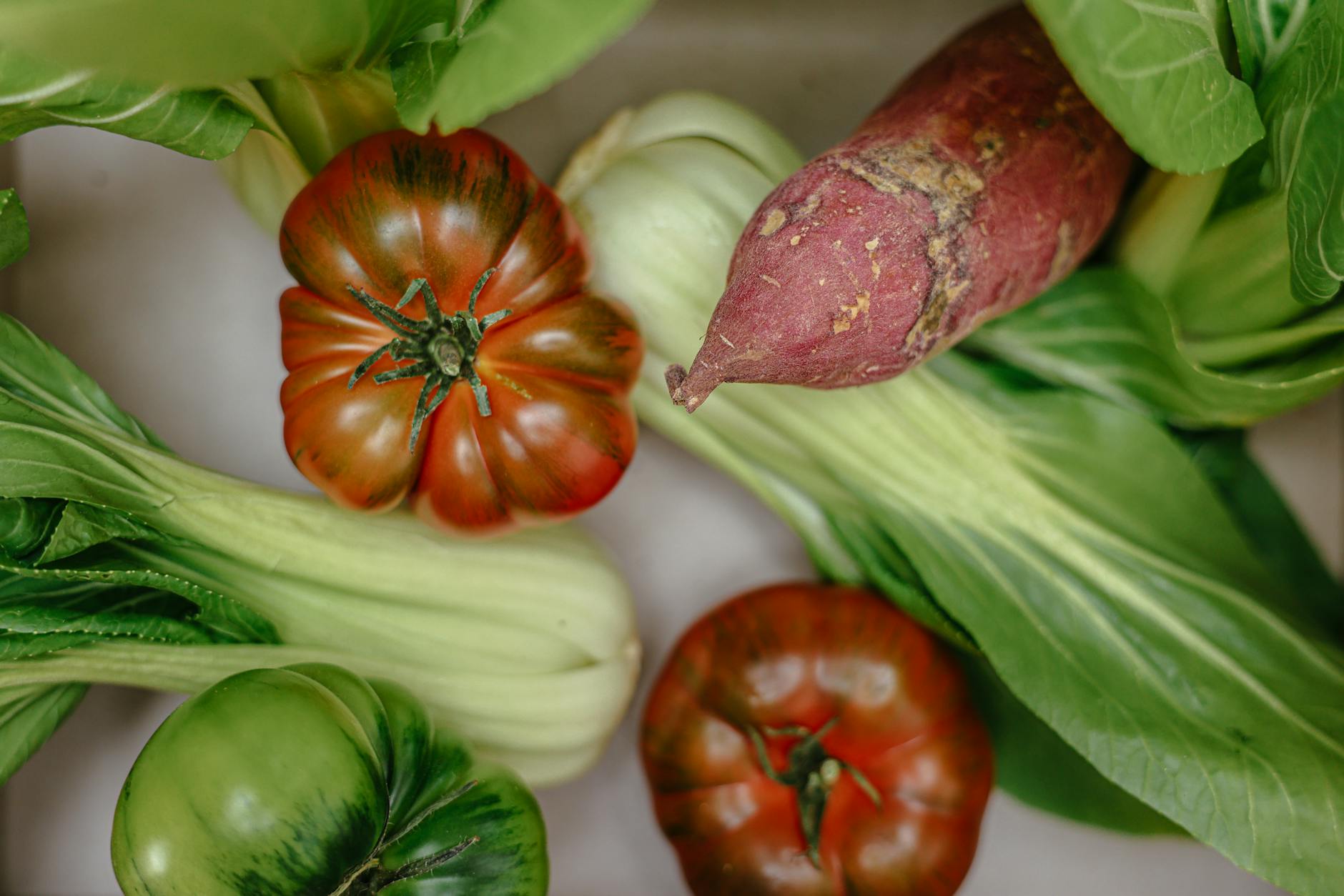
How Biomarkers Get Measured and Why Single-Food Claims Fall Short
Dementia-relevant biomarkers include phosphorylated tau, amyloid-beta, neurofilament light chain, and various inflammatory markers in cerebrospinal fluid and blood. These biomarkers require specific laboratory tests—cerebrospinal fluid analysis, PET imaging, or advanced blood tests—to measure. No news report has documented a Harvard study measuring brussels sprout consumption against any of these specific markers in human subjects and finding a 45 percent reduction.
The specificity required to make such a claim is high. A legitimate study would need to isolate brussels sprout consumption from other dietary and lifestyle factors, follow a sufficient number of participants over time, control for confounding variables, and measure actual biomarker changes. Most nutrition research uses observational designs that cannot isolate single-food effects. When researchers do conduct intervention studies, they typically measure broader outcomes like cognitive function or disease diagnosis rather than specific biomarkers, and they often show modest, not dramatic, effects.
Why Single-Food Miracle Claims Mislead People with Dementia Risk
The tendency to promote single-food solutions for complex diseases like dementia creates multiple problems. First, it may delay people from implementing comprehensive lifestyle changes that have stronger evidence—such as consistent aerobic exercise, cognitive engagement, strong social connections, quality sleep, and hearing correction. A person who believes brussels sprouts provide substantial protection may feel less urgency about addressing hearing loss, managing blood pressure, or maintaining physical fitness, each of which carries substantial evidence.
Second, oversimplified claims can breed justified skepticism. When people read an extreme headline, seek out the actual research, and discover no supporting evidence, they may discount the legitimate evidence that cruciferous vegetables do contribute to overall dietary quality and brain health. The solution is not to abandon dietary approaches to dementia prevention, but to recognize them as components of multifaceted strategies, not standalone solutions.

Practical Dietary Approaches to Dementia Risk Reduction
A practical evidence-based approach includes regular consumption of cruciferous vegetables like brussels sprouts, but in context. Research suggests consuming vegetables regularly—roughly five or more servings daily across multiple types—correlates with better cognitive outcomes. Brussels sprouts offer specific benefits due to their kaempferol content, but so do broccoli, kale, cabbage, and other greens. Variety matters because different vegetables provide different combinations of nutrients. For someone building a brain-protective diet, prioritizing abundance and diversity serves better than fixating on any single vegetable.
Include cruciferous vegetables several times weekly. Combine them with other leafy greens, berries, fish, legumes, nuts, and whole grains. Maintain this pattern consistently over years and decades, not as a short-term intervention. Simultaneously address exercise, sleep, cognitive engagement, and social connection. This integrated approach aligns with what dementia prevention research actually supports.
The Future of Nutrition and Dementia Prevention Research
Emerging research continues to refine our understanding of how specific plant compounds influence brain aging. Advances in biomarker measurement—particularly blood-based biomarkers that don’t require invasive procedures—may eventually enable intervention studies measuring actual biochemical changes in response to dietary changes. Researchers are investigating whether bioavailability of compounds like kaempferol varies among individuals, which could explain why some people respond more robustly to dietary interventions than others.
The field is moving toward personalized nutrition approaches that account for individual genetics, microbiome composition, and metabolic profiles. Rather than declaring that brussels sprouts reduce dementia biomarkers by a universal percentage, future research may specify: in individuals with particular genetic profiles and baseline metabolic states, consistent consumption of cruciferous vegetables alongside other lifestyle changes correlates with measurable changes in biomarker X. This specificity, while less exciting in headlines, provides far more useful guidance for disease prevention.
Conclusion
The headline claiming a Harvard study showed brussels sprouts reduce dementia biomarkers by 45 percent does not reflect research literature. The 45 percent figure comes from research showing that multiple lifestyle factors combined could reduce dementia incidence, or that physical activity alone may reduce dementia risk by that amount. Brussels sprouts do contain beneficial compounds and fit meaningfully into brain-healthy diets, but they are not a standalone solution, nor do they provide the dramatic biomarker reductions suggested in misleading headlines.
If you’re concerned about dementia risk, build a comprehensive approach: eat abundant vegetables including cruciferous varieties, maintain regular aerobic exercise, engage cognitively, prioritize sleep, protect your hearing, foster social connections, and manage cardiovascular risk factors. Discuss these strategies with your healthcare provider, especially if you have family history of cognitive decline or carry genetic risk factors. The evidence supporting these combined approaches is substantial and practical—far more valuable than searching for single-food miracles.
You Might Also Like
- Harvard Study Shows wild blueberries Reduces Dementia Biomarker by 28 Percent
- Harvard Study Shows walnuts Reduces Dementia Biomarker by 18 Percent
- Harvard Study Shows turmeric Reduces Dementia Biomarker by 48 Percent
For more, see Alzheimer’s Association — clinical trials.