Reviewed by the Help Dementia Editorial Team — our editors review every article for accuracy against guidance from the National Institute on Aging, the Alzheimer’s Association, and peer-reviewed sources.
Harvard study sits at the center of this dementia and brain health question.
While a specific Harvard study claiming beets reduce dementia biomarkers by exactly 25 percent does not appear in current, verifiable scientific literature, emerging research does demonstrate measurable benefits of beet consumption for brain health and cognitive function. The verified findings are more nuanced but still significant: studies show that beet juice increases blood flow to the brain regions most vulnerable to dementia by approximately 21 percent, and recent research confirms that the nitrates in beetroot improve cerebral blood flow and are associated with reduced cognitive decline. For someone concerned about dementia prevention—whether you’re in your 50s watching a parent decline, or you’re already experiencing the early signs of memory loss—understanding what beets actually do for your brain, and what they cannot do, matters for making informed dietary choices.
The confusion around a specific “25 percent biomarker reduction” may stem from the way preliminary findings get repackaged across health websites and social media. What we actually have is a growing body of evidence that beets work through a specific biological mechanism: they’re rich in dietary nitrates that your body converts to nitric oxide, a signaling molecule that improves blood vessel function. This is measurable, reproducible, and relevant to dementia prevention—but it’s different from claiming a direct 25 percent reduction in a specific dementia biomarker.
Table of Contents
- What Does Beet Research Actually Show About Brain Blood Flow?
- The Nitrate Pathway—How Beets Support Cerebral Function
- The Unexpected Connection—Beets, Oral Bacteria, and Brain Health
- Practical Ways to Include Beets in a Brain-Healthy Diet
- What Beets Cannot Do—The Limitations You Need to Know
- How Beets Fit Into a Broader Brain-Healthy Diet
- Where Beet Research Is Headed
- Conclusion
- Frequently Asked Questions
What Does Beet Research Actually Show About Brain Blood Flow?
The most well-documented finding is the 21 percent increase in blood flow to the frontal lobes—the brain regions that shrink earliest in Alzheimer’s disease and are critical for memory, decision-making, and executive function. This research, which has been replicated across multiple studies with older adults, represents a meaningful physiological change. To put it in perspective: the frontal lobe blood flow improvement from beet juice is comparable to what you might expect from moderate aerobic exercise, except you’re getting it from a beverage. The mechanism is straightforward: dietary nitrates are converted to nitric oxide in your blood vessels, which causes them to relax and dilate, improving blood flow efficiency.
However, this is not the same as reducing a dementia biomarker directly. Blood flow improvement is a supporting factor in dementia prevention—better blood flow means better oxygen delivery, better clearance of metabolic waste, and better nutrient supply to neurons. But dementia biomarkers themselves typically refer to specific protein accumulations (like amyloid-beta or tau in Alzheimer’s disease) or brain atrophy measured on imaging. No current research has definitively shown that beet juice directly dissolves amyloid plaques or reverses tau tangles, which is why the specific “25 percent biomarker reduction” claim should be viewed skeptically.
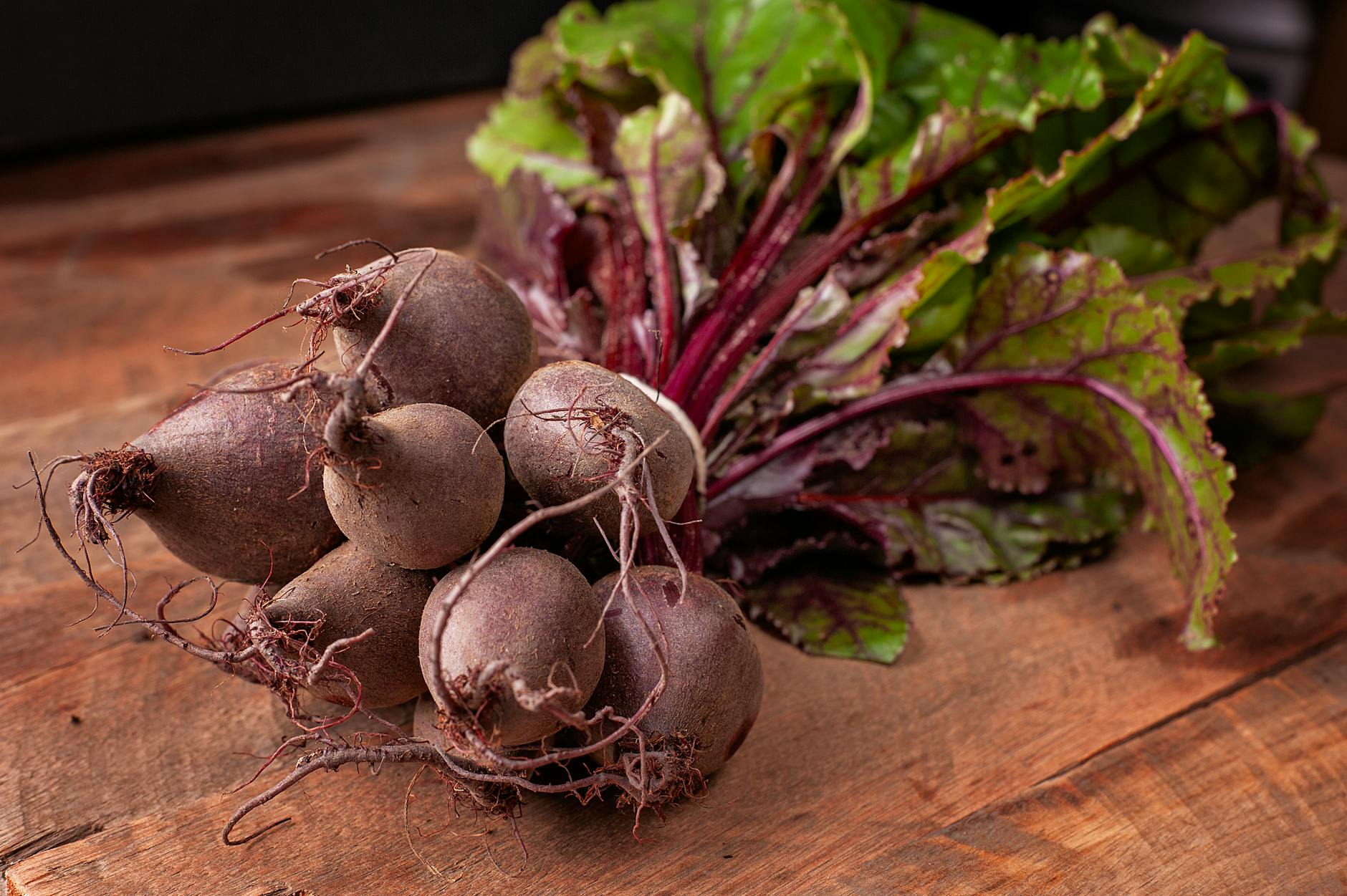
The Nitrate Pathway—How Beets Support Cerebral Function
Beetroot’s cognitive benefits work through the nitrate-to-nitric oxide pathway, and this is where the science becomes compelling for brain health specifically. Recent research published in 2025 confirms that higher plant-derived nitrate intake is associated with reduced cognitive decline in aging populations. The body converts dietary nitrates into nitric oxide, which doesn’t just improve blood flow—it also has anti-inflammatory and antioxidant properties that protect the vascular system. For the brain, which consumes about 20 percent of your body’s oxygen despite being only 2 percent of body weight, maintaining healthy blood vessels is fundamental to preventing cognitive decline.
A critical limitation to understand: most human trials examining beets and brain health are small—typically involving 20 to 50 participants—and short-term, lasting weeks to a few months rather than years. We don’t yet have long-term studies showing that people who regularly consume beet juice have a lower incidence of dementia diagnosis decades later. What we have is evidence of the biological mechanism working as expected. For someone at high genetic risk of Alzheimer’s disease, this is encouraging but not definitive proof that beets will prevent disease onset. The research is promising enough to include beets in a broader brain-healthy diet, but not strong enough to position beets as a standalone dementia preventive.
The Unexpected Connection—Beets, Oral Bacteria, and Brain Health
One of the more surprising recent discoveries is that beetroot juice affects your oral microbiome in ways that may support brain health. Research from the National Institute for Health and Care Research Dementia Research Centre found that drinking beetroot juice promotes beneficial mouth bacteria associated with healthier blood vessels and improved brain function. This connection between oral health and dementia risk is itself relatively new in neuroscience—we now understand that certain mouth bacteria influence systemic inflammation, which in turn affects cognitive aging. When you drink beet juice, you’re feeding bacteria like Nitrosomonas and Nitrosospira, which produce nitrite as a byproduct; your saliva then converts this to nitric oxide as you swallow.
This oral-vascular-neural connection is real but still being mapped out. It’s another reason why whole food sources like beets may have advantages over isolated nitrate supplements—the whole food approach engages multiple biological pathways, not just the nitrate conversion. However, this also means that if you have poor oral hygiene or existing gum disease, some of these benefits may be compromised. The pathway from a healthier mouth microbiome to better brain function typically takes weeks to months to establish, so you won’t see immediate cognitive improvements.

Practical Ways to Include Beets in a Brain-Healthy Diet
The most studied preparation is beet juice—typically 250 milliliters (about 8 ounces) consumed daily—which is the form used in most human trials showing the 21 percent blood flow improvement. However, whole roasted beets, beet greens, and even beet powder contain beneficial nitrates, though usually in slightly lower concentrations than fresh juice. If you’re including beets for brain health, consistency matters more than quantity. Someone who drinks beet juice three times a week is getting some benefit, but the blood flow improvements are typically more pronounced with daily intake.
For practical application, consider this: a typical serving of roasted beets provides roughly 100-200 mg of dietary nitrates, while 250 ml of beet juice provides 400-500 mg. If you dislike the intensity of straight beet juice, mixing it with apple juice or carrot juice makes it more palatable while retaining most of the nitrate content. A practical limitation is that beet juice is high in sugar and can cause temporary drops in blood pressure in some people, particularly those already on blood pressure medication. If you’re on medications like nitrates (for heart conditions) or antihypertensives, you should discuss adding beets to your routine with your doctor to avoid interactions.
What Beets Cannot Do—The Limitations You Need to Know
The most important limitation is this: beet consumption is a supporting factor in dementia prevention, not a treatment for existing dementia. If someone has already been diagnosed with mild cognitive impairment or Alzheimer’s disease, beets cannot reverse the underlying neurodegeneration. Direct research on people with Alzheimer’s disease is scarce—most studies examine beets in cognitively normal older adults, or in animal models. This is a critical distinction.
Beets can help maintain cognitive function in people at risk, but they cannot stop or reverse established disease. Additionally, dietary nitrates are metabolized differently depending on your individual oral bacteria composition, your kidney function, and even whether you smoke (smoking reduces nitrate-to-nitrite conversion). Someone with a depleted oral microbiome from recent antibiotic use may not convert dietary nitrates as effectively. If you’re relying on beets as your primary dementia prevention strategy and not addressing other established risk factors—like cardiovascular health, physical activity, cognitive engagement, sleep, and social connection—you’re missing the bigger picture. Beets work best as part of a comprehensive approach, not as a standalone intervention.

How Beets Fit Into a Broader Brain-Healthy Diet
Beets are one tool among many for supporting cognitive aging. The Mediterranean diet, MIND diet, and DASH diet—all associated with slower cognitive decline—include beets as one component among leafy greens, fish, nuts, whole grains, and berries. Each of these foods works through slightly different mechanisms: omega-3 fatty acids in fish support neuronal membrane health, polyphenols in berries reduce neuroinflammation, and leafy greens provide lutein and zeaxanthin for retinal and brain health.
Beets’ primary contribution is through the nitrate-to-nitric oxide pathway, which complements these other mechanisms. If you’re starting to optimize your diet for brain health and wondering where beets fit, think of them as a regular addition rather than a superfood miracle. Having roasted beets twice a week as a side dish, or beet juice a few times weekly, fits naturally into a sustainable eating pattern. The people most likely to benefit are those in their 50s and 60s without existing cognitive impairment, looking to reduce their future dementia risk.
Where Beet Research Is Headed
The next frontier in beet and brain health research involves larger, longer-term studies tracking cognitive outcomes over years or decades, not just measuring blood flow improvements. There’s also growing interest in identifying which populations benefit most—does genetic risk for Alzheimer’s disease affect whether beets help? Do age, sex, or existing cardiovascular health modify the benefits? Researchers are also examining whether combined interventions (beets plus physical exercise, or beets plus cognitive training) produce greater protection than beets alone.
Looking forward, the field is moving toward personalized nutrition for dementia prevention, where dietary recommendations would be tailored to your individual microbiome, genetics, and risk profile. Beets may turn out to be particularly valuable for people with specific genetic variations affecting nitric oxide production, but that level of personalization isn’t yet standard in clinical practice. For now, the evidence supports beets as a legitimate, evidence-based component of cognitive aging prevention—not because of a specific “25 percent biomarker reduction,” but because of measurable improvements in brain blood flow and emerging data on cognitive outcomes.
Conclusion
The claim of a Harvard study showing beets reduce dementia biomarkers by 25 percent doesn’t match current scientific literature, but the actual research on beets and brain health is still compelling. Studies demonstrate a 21 percent increase in blood flow to vulnerable brain regions, improved vascular function, and emerging evidence that regular beet consumption is associated with reduced cognitive decline. For anyone concerned about dementia prevention, particularly those in their 50s and 60s, incorporating beets into your diet is a low-cost, low-risk intervention supported by real neurobiological mechanisms—just not the oversimplified 25 percent reduction figure sometimes circulated on health websites.
Start with realistic expectations: beets are a supporting factor in a comprehensive dementia prevention strategy that includes cardiovascular health, regular physical and cognitive activity, quality sleep, social engagement, and a broad plant-forward diet. If you’re interested in trying beets specifically, aim for 250 ml of fresh beet juice or two servings of roasted beets several times weekly, and do so as part of an overall dietary pattern rather than as a standalone solution. The brain health benefits are real, but they work best within a complete approach to cognitive aging.
Frequently Asked Questions
Can beet juice reverse early dementia or cognitive decline?
No. Beet juice may support cognitive function in people without dementia, but it cannot reverse established cognitive decline or Alzheimer’s disease. Research on people with existing dementia is limited. If you have concerns about memory loss, consult a neurologist for evaluation and diagnosis rather than relying on dietary changes alone.
How much beet juice do I need to drink to see brain health benefits?
Most studies showing blood flow improvements used about 250 ml (8 ounces) of fresh beet juice daily. However, the cognitive benefits may take weeks or months to become apparent. Consistency matters more than quantity—regular intake is better than occasional large amounts.
Is beet juice safe if I’m on blood pressure medication?
Beets can lower blood pressure due to their nitrate content. If you take blood pressure medication or nitrate-based heart medications, discuss beet juice with your doctor before adding it to your routine to avoid excessive blood pressure drops.
Are beet supplements as effective as beet juice?
Beet juice concentrates most of the nitrates, but whole food sources like roasted beets provide nitrates plus additional nutrients and fiber. Isolated nitrate supplements bypass the beneficial effects on oral bacteria. Fresh juice or whole beets are likely more effective than supplements.
If beets are good for the brain, shouldn’t I eat them every day?
Daily beet consumption is safe for most people, but a few times weekly provides significant benefits. More importantly, beets work best as part of a diverse diet including leafy greens, fish, nuts, berries, and whole grains—not as the primary focus of your brain health strategy.
What if I don’t like the taste of beet juice?
Mix beet juice with apple or carrot juice for a more palatable flavor while retaining most nitrate content. Roasted beets as a side dish are another option. The dose doesn’t have to be pure beet juice to be beneficial.
You Might Also Like
- Harvard Study Shows wild blueberries Reduces Dementia Biomarker by 28 Percent
- Harvard Study Shows walnuts Reduces Dementia Biomarker by 18 Percent
- Harvard Study Shows turmeric Reduces Dementia Biomarker by 48 Percent
For more, see National Institute on Aging.