Forgetting to drink in memory care means a person with dementia misses fluids and risks dehydration. Prevent it with visible drinks and frequent sips, respond with fast fluids and urgent care when signs worsen, and track intake afterward.
Dehydration means the body lacks enough water to work normally. Memory care means daily support for people with memory loss and dementia. Banner Health says memory loss causes forgotten drinks, weak thirst, trouble filling cups, and avoidance from swallowing fears or incontinence worries in its expert guide to dehydration in dementia patients.
Medical information disclaimer: This article is for general educational purposes only and does not provide medical advice, diagnosis, or treatment. Always consult a physician or other qualified health professional about symptoms, medications, tests, or treatment decisions.
Table of Contents
- Why does drinking slip away?
- How can you make fluids easy all day?
- How should you respond to warning signs?
- How do you track recovery and prevent a return?
Why does drinking slip away?
Thirst fades, so the person does not feel the need to drink. Forgetting the cup, losing steps like pouring or opening a bottle, and fear of choking or needing the toilet cut intake further. Early signs include dry mouth, dizziness, hallucinations, and rapid heart rate.
The National Institute on Aging lists these signs for Alzheimer's care and notes hallucinations can also come from Alzheimer's itself. Poor hydration raises confusion, urinary-tract infection, constipation, dizziness, and falls in older adults with dementia. NIH News in Health reports thinking problems sometimes improve when dehydration or another treatable cause is fixed, while most progressive dementias still worsen over time.
How can you make fluids easy all day?
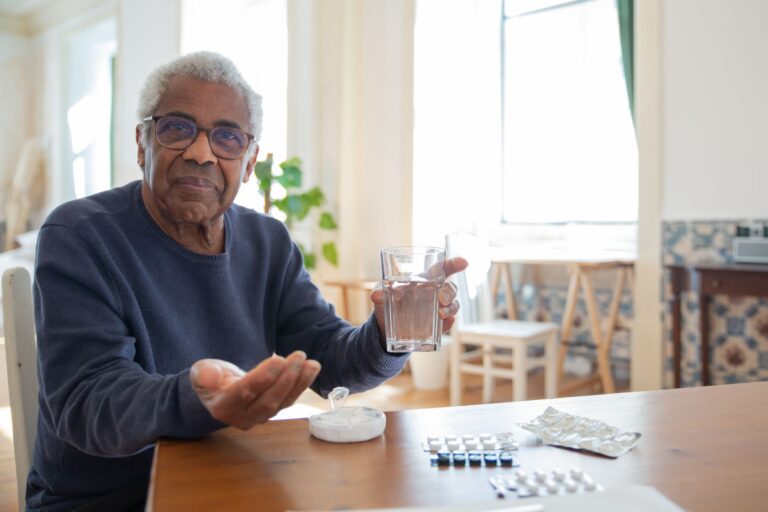
The Alzheimer's Society advises 6-8 cups or glasses of fluid daily, with varied choices such as tea, coffee, milky drinks, juice, smoothies, soup, squash, water, and water-based Jelly Drops in its hydration guidance for living with dementia. Variety helps because taste, temperature, and habit prompt more sips than plain water alone. Keep drinks visible and within reach through the day.
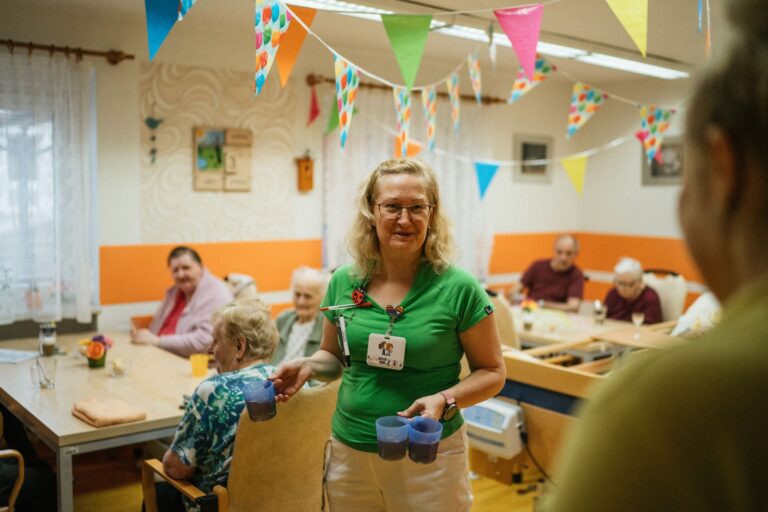
Offer small amounts often, serve drinks with meals, use easy cups or straws, and add high-liquid foods such as fruit, salads, yogurt, and jelly. One limit matters: standard targets do not fit everyone. The National Institute on Aging notes people with kidney failure, heart disease, or clinician-ordered restrictions may need less fluid, so confirm personal limits with the medical team.
- place a filled cup where the person sits and eats
- offer a few sips every hour and at each meal
- use a light cup, lid, or straw that fits grip and swallow needs
How should you respond to warning signs?
At early changes, offer fluids right away and tell other caregivers. Early changes include dry mouth, dark or strong-smelling urine, dizziness, weakness, or a shift in behavior. Banner Health gives this early-response advice for dementia care.
Get urgent or emergency care when signs turn severe. Watch for: Do not wait to see if severe signs pass. Bring a list of drinks taken, urine changes, falls, and new medicines to the visit.
- worsening confusion
- fever of 101 F or higher
- breathing difficulty or rapid heartbeat
- vomiting or diarrhea
- chest or abdominal pain
How do you track recovery and prevent a return?
Follow-up matters because a first episode often signals a daily pattern. Barnsley Hospital NHS Foundation Trust links dehydration in dementia to more confusion, urinary-tract infection, constipation, dizziness, and falls, and recommends about 1,500-2,000 mL daily with regular offers, urine checks, and intake records in its good-practice guidance for care staff on UTIs. Use a simple daily record.
Note time, type, and amount of each drink, plus meals with soup, fruit, yogurt, or jelly. Check urine color and smell, note dizziness, constipation, fever, or behavior change, and share the log across shifts and family. Adjust the plan after illness, hot weather, vomiting, diarrhea, or a new medicine. Confirm personal fluid limits with the medical team before pushing more drinks.