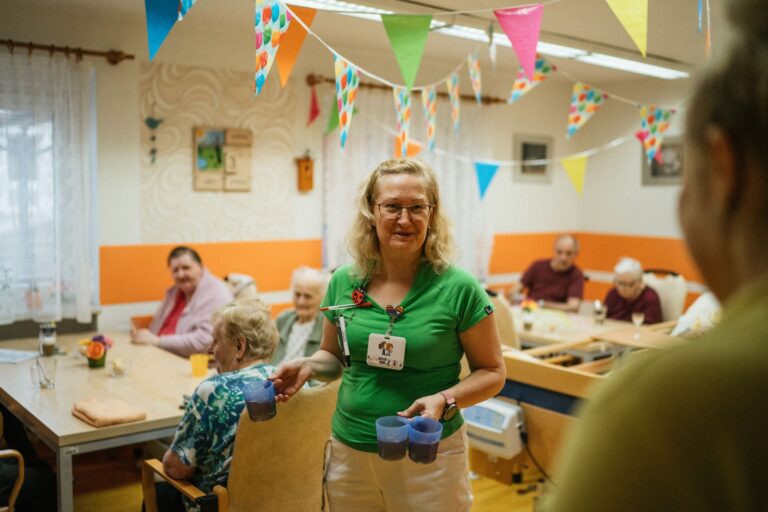
A backup plan for forgetting to drink means named people offer fluids all day, supplies stay visible and in reach, and help contacts are ready. It matters because people with dementia may not feel thirst, may forget to drink, or may struggle to fetch a drink. According to the Alzheimer's Society, resulting dehydration can bring headache, more confusion, constipation and urinary tract infections in its drinking and hydration guidance. The same source advises 6 to 8 cups or glasses of fluid daily, spread through the day.
Medical information disclaimer: This article is for general educational purposes only and does not provide medical advice, diagnosis, or treatment. Always consult a physician or other qualified health professional about symptoms, medications, tests, or treatment decisions.
Table of Contents
- Who keeps drinking on track?
- What supplies should stay ready?
- Why is risk higher and what should you watch?
- Who do you call and when?
Who keeps drinking on track?
Name one lead helper plus cover for work, errands and night. Banner Health advises offering fluids all day even without thirst and asking every caregiver to reinforce drinking in its expert answer on dehydration in dementia.
Tie prompts to routine pauses: wake-up, medicines, meals, TV breaks and bedtime. Ask each visitor, aide and family member to offer a drink and note intake.
What supplies should stay ready?
Keep water or juice visible and within reach at the chair, bed and kitchen. Offer varied preferred drinks, such as water, tea, coffee, milky drinks, fruit juice, smoothies, squash and soup.
Add water-rich foods such as melon, soup, yoghurt and ice lollies. Keep oral rehydration powders from a pharmacist to replace sugar, salts and minerals after vomiting or diarrhoea.
Why is risk higher and what should you watch?
Dementia raises risk through memory loss, lost thirst feeling, trouble using cups or taps, swallowing fears and limited mobility. Banner Health also points to diuretic medicines, fluid restriction around incontinence, heart failure and fast breathing. Watch for change from the usual, plus these signs named by the NHS and Banner Health:.
- dry mouth, thirst, headache, dizziness and tiredness
- dark yellow strong-smelling urine or peeing less often
- sunken eyes, constipation, agitation and new confusion
Who do you call and when?
Contact a GP urgently or NHS 111 for lasting tiredness or drowsiness, dizziness on standing that does not settle, dark urine, peeing less, rapid breathing or fast heart rate, as listed in the NHS dehydration guidance. Do not wait to see if it passes.
Call 999 or go to A and E for blue, grey, pale or blotchy skin or lips, cold skin, breathing difficulty, new or worse confusion, or being sleepier than normal or hard to wake. Banner Health also flags fever of 101F or 38.3C, vomiting, diarrhoea, chest or belly pain, or 8 hours without urination.