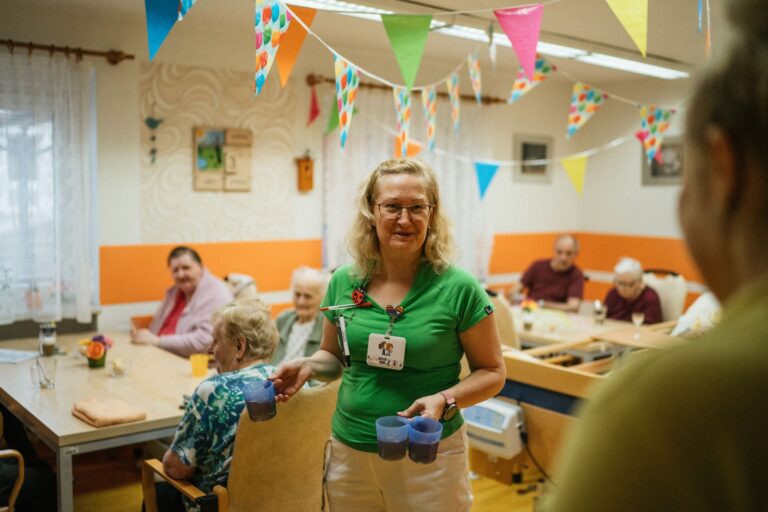
A step-by-step plan for forgetting to drink in dementia home care means offering fluids on a fixed schedule with water visible and prompted often. The aim is 6–8 cups or glasses of varied drinks daily, plus water-rich foods and easy cups. Forgetting to drink means a person may forget to drink or not recognise thirst. According to the NHS, this leaves older adults at higher risk of dehydration, urinary tract infections and constipation NHS advice on looking after someone with dementia.
Medical information disclaimer: This article is for general educational purposes only and does not provide medical advice, diagnosis, or treatment. Always consult a physician or other qualified health professional about symptoms, medications, tests, or treatment decisions.
Table of Contents
- How Much Fluid to Aim For?
- What Routine Works Better Than Mealtimes Alone?
- How Can You Make Each Drink Easier to Accept?
- When Does Poor Drinking Need Medical Help?
How Much Fluid to Aim For?
The Alzheimer's Society advises 6–8 cups or glasses of fluid each day Alzheimer's Society guidance on drinking and hydration. Include water, tea, coffee, milky drinks, juice, smoothies, squash and soup through the day.
Spread drinks through the day rather than relying on meals. Vary the choice so the person can pick a preferred taste, with soup at lunch and a milky drink in the evening still counting.
What Routine Works Better Than Mealtimes Alone?
Alden of Waterford notes dehydration can increase confusion, irritability, falls and infections, and finds a fixed routine works better than mealtimes alone Alden of Waterford hydration strategies. Place the cup where the person sits and refill it often. Repeat the prompt kindly because a single offer is easy to miss.
- Offer fluids on a fixed schedule.
- Keep water visible within reach.
- Use prompts and notes.
- Offer water whenever entering the room.
How Can You Make Each Drink Easier to Accept?
The Alzheimer's Society also points to choice, cups and pacing for better acceptance. Offer varied fluids and water-rich foods such as jelly, fruit, yoghurt, custard and ice lollies.
Use a suitable cup or straw and allow unrushed time. Hydration products such as Jelly Drops can add another option for some people.
When Does Poor Drinking Need Medical Help?
Routine prompting does not replace medical care, according to the CPD Online College care guide CPD Online College care guide on dehydration signs. Seek GP assessment for these changes: Keep careful intake records of drinks offered and taken. Escalate to the GP, NHS 111 or 999 promptly if dehydration is suspected.
- Sudden behaviour change.
- Poor intake over the day.
- Swallowing difficulty.