Reviewed by the Help Dementia Editorial Team — our editors review every article for accuracy against guidance from the National Institute on Aging, the Alzheimer’s Association, and peer-reviewed sources.
The FAST Scale 7A represents the earliest substage of stage 7 in the Functional Assessment Staging Tool, a clinical rating system that measures the progression of dementia from mild cognitive impairment to the most severe end stage. At FAST Scale 7A, individuals typically experience loss of speech, losing the ability to communicate verbally but often still able to sit up independently and follow some nonverbal cues. This stage marks a critical transition point where dementia has progressed beyond the ability to engage in conversation, yet the person’s physical abilities—such as walking or basic movements—remain relatively intact compared to later substages.
Understanding FAST Scale 7A is essential for families and caregivers because it helps establish realistic expectations about what comes next. A person at this stage may be unable to answer questions or engage in meaningful verbal exchange, but they may still recognize familiar faces, respond to touch, or react to tone of voice. For example, while a person with FAST 7A cannot tell you they are hungry or in pain through words, they may nod, make sounds, or make facial expressions that family members learn to interpret over time. This stage typically does not last indefinitely—progression to stage 7B and beyond can occur over months to a few years, depending on the individual.
Table of Contents
- How Is the FAST Scale Used in Dementia Assessment and Care Planning?
- The Progression Into Stage 7: Understanding the Final Dementia Stages
- What Are the Defining Characteristics of FAST Scale 7A?
- What Caregiving Challenges Emerge at FAST Scale 7A and How Should Care Adapt?
- Monitoring for Complications and Medical Concerns at Stage 7A
- How FAST 7A Differs From Other Severe Stages
- Supporting Presence and Quality of Life at FAST Scale 7A
- Conclusion
How Is the FAST Scale Used in Dementia Assessment and Care Planning?
The fast Scale is a standardized tool developed specifically for tracking Alzheimer’s disease progression and is widely used in clinical settings, memory care facilities, and in-home care arrangements. Clinicians use the scale to document where a person falls across 16 different levels of functioning, from normal cognition through the seven main stages and numerous substages. This systematic approach allows doctors and care teams to communicate clearly about disease progression and to predict what symptoms and capabilities are likely to emerge. The FAST Scale is particularly useful because it focuses on functional decline—what a person can actually do—rather than just cognitive test scores.
For families and caregivers, the FAST Scale provides a roadmap. At FAST Scale 7A specifically, it tells you that the person will likely lose the ability to use words effectively but may retain the ability to walk and sit independently. This is different from stage 7B, where a person typically loses the ability to walk. Knowing these distinctions helps in planning for assistive devices, staffing needs, and the physical environment. For instance, a family might plan to keep hallways clear and well-lit at FAST 7A because the person may still attempt to move around, whereas at later stages they may need a wheelchair and the focus shifts more to preventing falls while stationary.

The Progression Into Stage 7: Understanding the Final Dementia Stages
Stage 7 of the FAST Scale represents the severe or end-stage dementia period, and it is subdivided into seven substages (7A through 7F) to provide granularity in tracking the final decline. Each substage involves the loss of specific abilities—starting with speech at 7A, then the ability to walk at 7B, the ability to sit independently at 7C, and so on. This level of detail is important because it helps predict medical complications and care intensity. For example, loss of the ability to walk (stage 7B) significantly increases risk of pressure ulcers, muscle atrophy, and aspiration pneumonia, so care strategies shift dramatically.
A critical limitation of the FAST Scale is that it was developed and validated primarily for Alzheimer’s disease and may not accurately reflect progression in other types of dementia, such as vascular dementia, Lewy body dementia, or frontotemporal dementia. These conditions sometimes progress differently or cause symptoms in a different order. Additionally, individual variation is substantial—some people progress rapidly through FAST 7A while others remain in this stage for an extended time. The scale provides general expectations rather than a precise timeline for any given individual.
What Are the Defining Characteristics of FAST Scale 7A?
At FAST Scale 7A, the defining characteristic is the loss of verbal ability. Most people at this stage can no longer speak in sentences or carry on conversations, though some may produce sounds, fragments of words, or automatic utterances like “yes,” “no,” or brief repetitive phrases. They typically still understand some of what is said to them, particularly when accompanied by gesture or familiar tone. For example, a person might not be able to tell you they want water, but when you bring a glass to their lips they may drink willingly, suggesting they understood your intent through context and action rather than your words.
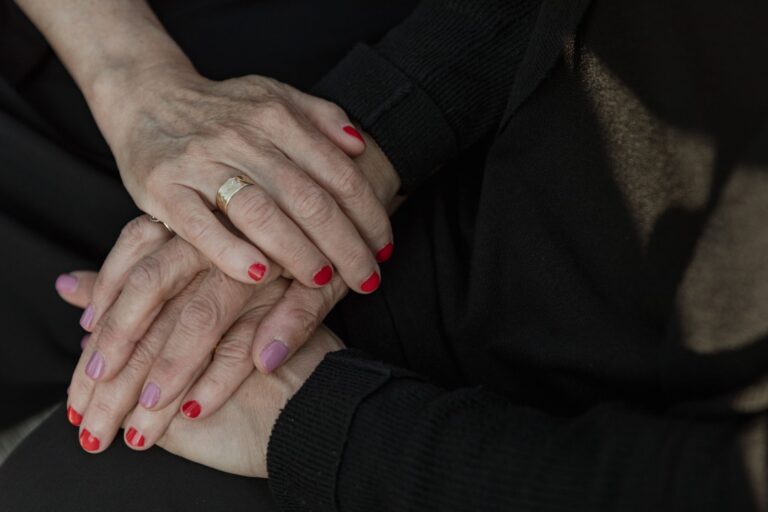
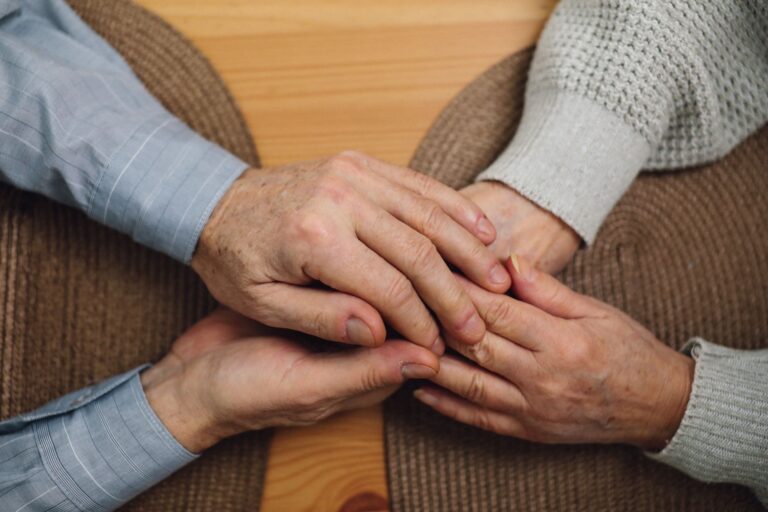
At this stage, non-verbal communication becomes the entire basis of interaction. A person may smile or frown in response to emotion in your voice, may hold your hand, or may resist activities they dislike even though they cannot explain why. Sitting ability is typically preserved at 7A, meaning the person can sit in a chair, at a table, or upright in bed with minimal support, though balance may be fragile. Walking ability is also typically maintained at 7A, though gait may be slow, unsteady, or with assistance required.

What Caregiving Challenges Emerge at FAST Scale 7A and How Should Care Adapt?
The primary challenge at FAST Scale 7A is the loss of communication, which creates both practical and emotional difficulties. You cannot ask the person where pain is, whether they are comfortable, or what they need. This requires caregivers to become highly attuned to behavioral cues—learning that certain sounds or gestures mean hunger, thirst, discomfort, or agitation. Many families find that maintaining detailed care logs helps: recording what time activities occur, what the person does or says in response, and what outcomes follow helps reveal patterns.
For example, tracking that agitation always occurs mid-morning might reveal that the person needs medication timing adjusted, or that more frequent bathroom breaks are needed. Compared to earlier stages of dementia where verbal reassurance and explanation work well, stage 7A requires a completely different approach. Instead of saying “We’re going to take a bath now,” you might say it briefly while already running water and showing the towel, letting the sensory experience communicate your intention. Music, touch, and familiar scents become primary tools for connection. Many families find this stage emotionally wrenching because the person they knew through conversation is now present only as a body and perhaps through fragmented sounds or gestures, yet research suggests that meaningful presence and touch remain comforting and valuable.
Monitoring for Complications and Medical Concerns at Stage 7A
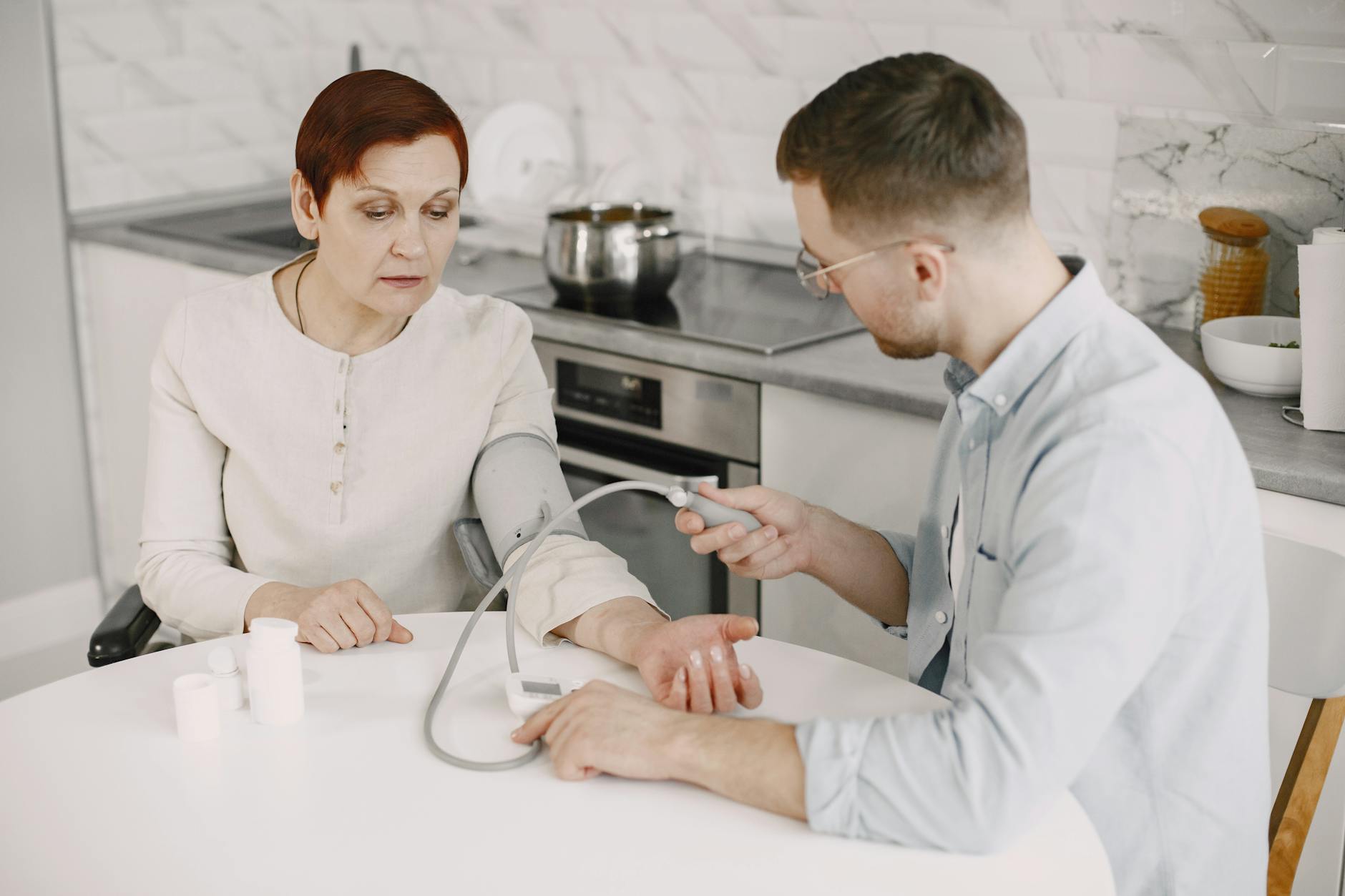
As a person reaches FAST Scale 7A, medical complications become more likely, and because the person cannot report symptoms, vigilance becomes essential. Aspiration becomes a growing concern—food or liquids may go into the lungs rather than the stomach, causing silent aspiration pneumonia that develops without obvious cough or fever. Watching for subtle signs like wet-sounding breathing, difficulty managing saliva, or increased temperature spikes can alert caregivers to this risk. Pressure ulcers become more likely with longer periods of sitting or limited movement, even though the person is still walking; positioning changes, protective cushions, and skin checks become routine.
Pain is perhaps the most concerning challenge because the person cannot tell you they hurt. A person at FAST 7A may experience pain from arthritis, infections, dental problems, or other sources and communicate it only through agitation, screaming, or withdrawal. This is a significant limitation of relying solely on what a person can tell you about their health. Healthcare providers increasingly recommend pain assessment scales designed for non-verbal individuals and sometimes a trial of pain medication to see if behavioral changes improve, suggesting pain was the underlying cause. Infection risk also climbs because toileting becomes more difficult to manage and incontinence often increases, requiring careful attention to hygiene and skin care.
How FAST 7A Differs From Other Severe Stages
The distinction between FAST 7A and 7B is clearer on paper than in practice, but it matters for care planning. At 7A the person can still walk; at 7B they lose this ability and typically require a wheelchair or bed.
The difference in fall risk, activity programming, and physical therapy needs is substantial. Compared to the earlier stage 6 (late dementia, where the person loses awareness of current events and their own history but can still speak in words), stage 7A involves the dramatic loss of that verbal ability while often preserving more physical function. Some people find stage 7A paradoxically harder emotionally than stage 7B because the physical capability remains yet communication is gone—there’s a painful contrast between a body that can move and a mind that cannot engage.
Supporting Presence and Quality of Life at FAST Scale 7A
Despite the severity of stage 7A, research and experience from care facilities suggest that quality of life and meaningful connection remain possible. The person cannot converse, but they can experience comfort, be soothed by familiar voices and touch, and may retain emotional responses to environments. Families who maintain regular presence, use music, maintain physical affection, and keep the environment calm report that their loved one seems more peaceful and less agitated than in earlier confused stages.
Whether this reflects the person’s internal experience or is comforting primarily to the family member is uncertain, but the value of continuing to show up, speak softly, and maintain dignity is widely recognized in dementia care. Forward-looking, stage 7A often represents the point where hospice or comfort-focused care becomes an appropriate conversation. It is not that death is imminent—some people remain at stage 7A for months or years—but rather that aggressive medical interventions and the focus of care often shift toward comfort, dignity, and presence rather than cure or life extension. This transition is deeply personal to each family and should involve honest conversations with healthcare providers about goals and expectations.
Conclusion
FAST Scale 7A marks the point in dementia progression where a person loses the ability to speak but retains the capacity to sit and often to walk. It is a stage defined by the sudden inability to communicate verbally, which fundamentally changes how caregivers must interpret needs, provide reassurance, and maintain connection.
Understanding what this stage entails helps families prepare for the care intensity that will be needed and adjust expectations about what interactions will look like. If your loved one has been diagnosed at FAST Scale 7A or is approaching this stage, working closely with your healthcare team, considering the input of experienced dementia care professionals, and preparing your home and care routines for non-verbal communication is essential. While this stage is challenging, many families find that adjusting to a different mode of presence—through touch, music, calm environments, and vigilant health monitoring—allows meaningful caregiving and connection to continue.