Extreme weather sits at the center of this dementia and brain health question.
Extreme weather is pushing America’s power grids to the breaking point, and the consequences are getting worse. Major blackouts affecting 50,000 or more customers have increased 60% over the past five years, while grid failures have more than doubled since 2015. When the power goes out during a heat wave or cold snap, it’s not just an inconvenience—it becomes a public health crisis, particularly for older adults and people with chronic conditions who depend on electricity for medical equipment, medication storage, and temperature control. This article explains how weather extremes are overwhelming our electrical infrastructure, what makes certain seasons especially dangerous, and what you need to know to protect yourself and your family during outages.
The problem is accelerating because extreme weather patterns are becoming more frequent and unpredictable. In the 2025-2026 winter season alone, New England experienced its coldest winter in 20 years, while Winter Storm Fern stretched across more than 2,300 miles and triggered sharp electricity price spikes across major grid regions. Meanwhile, aging coal and natural gas plants that powered America’s grid for decades were never designed to handle today’s climate volatility. Understanding how weather disrupts power systems—and why the grid struggles even during moderately bad conditions—is essential for anyone who wants to stay safe when outages happen.
Table of Contents
- How Extreme Weather Strains Modern Power Grids
- Why Heat Waves Are Particularly Dangerous for Grid Reliability
- The Winter Challenge and Recent Cold Events
- Battery Storage and Renewable Energy Solutions
- The Hidden Threat of Moderate Weather and Future Grid Demand
- Preparing Your Household for Grid Disruptions
- The Future of Resilient Energy Infrastructure
- Conclusion
- Frequently Asked Questions
How Extreme Weather Strains Modern Power Grids
The relationship between weather and grid failure is direct and measurable. Each additional degree Celsius of temperature increase raises outage rates by 0.1%, while every additional day of a heat wave increases outages by 0.5%. When both extreme heat and blackouts occur together, the danger multiplies: concurrent heat waves and blackouts have been shown to double heat-related mortality across major U.S. cities, sometimes requiring medical attention for 3% to 50% or more of urban populations depending on the city. For people with dementia, this combination is especially life-threatening because the condition impairs the body’s ability to recognize overheating, increases vulnerability to dehydration, and often coexists with heart disease and diabetes—all conditions that become critical during power loss. The underlying cause is a mismatch between how power plants operate and how weather actually behaves. Natural gas turbines, which supply a significant portion of U.S.
electricity generation, lose approximately 25% of their generating efficiency when temperatures climb. At the same time, power demand spikes during heat waves as millions of people turn on air conditioning. When hot weather also reduces the efficiency of the plants trying to meet that demand, the grid enters a dangerous squeeze. Add in supply chain fragility—natural gas plants rely on just-in-time pipeline delivery with minimal real-time storage—and a regional heat wave can quickly cascade into rolling blackouts across multiple states. The statistics show the problem intensifying: grid failures have increased 151% between 2015-16 and 2020-21, a trend driven by increasingly volatile weather patterns combined with aging infrastructure. However, the grid isn’t failing uniformly everywhere. Regional grid operators like ISO New England and ERCOT (Texas) have invested in resilience strategies that are beginning to show results, though the long-term sustainability of these efforts remains uncertain given the pace of climate change.
Why Heat Waves Are Particularly Dangerous for Grid Reliability
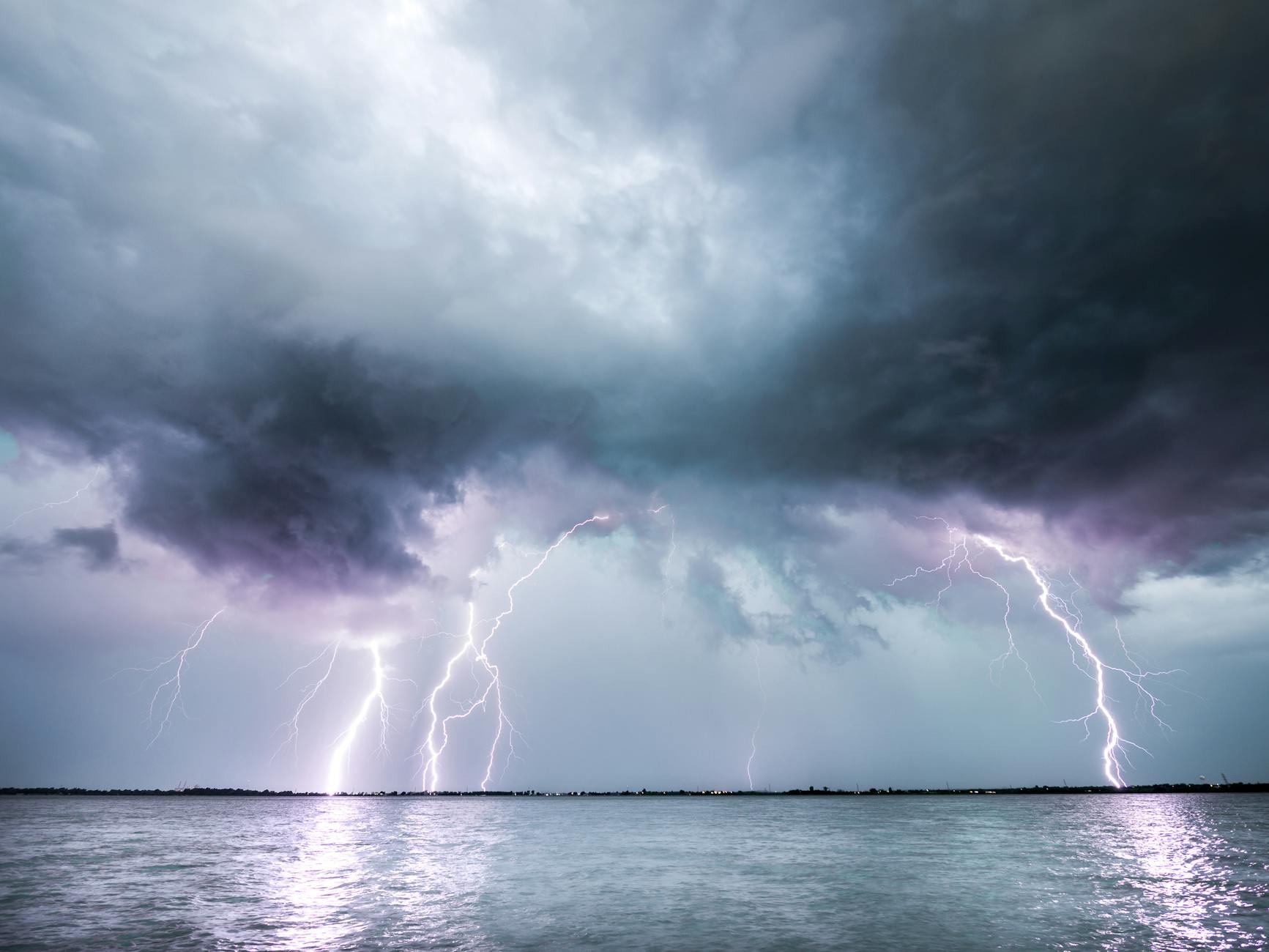
Heat waves don’t just trigger blackouts; they extend them and make them more frequent. Research shows that heat waves extend outage duration by 7.9% to 8.3% and increase outage frequency by 3.9% to 4.0%. This means that during a summer heat event, not only are you more likely to lose power, but when power is lost, it stays off longer because repair crews are also dealing with the heat stress and the grid operator is juggling multiple simultaneous emergencies across the region. For vulnerable populations like elderly adults and people with dementia, this extended loss of power becomes a medical emergency. Air conditioning keeps people safe during heat waves, but when the power fails, indoor temperatures can climb to dangerous levels within hours. People taking medications that require refrigeration—a category that includes insulin for diabetics, certain antibiotics, and some psychiatric medications—face potential medication loss.
Those with pacemakers, oxygen concentrators, or continuous positive airway pressure (CPAP) machines face immediate life-threatening situations. The combination of extreme heat, loss of cooling, and loss of medical equipment support has historically driven significant mortality spikes during summer blackouts, particularly in cities with older housing stock and limited alternative resources. The challenge is compounded because summer peak demand is nearly impossible to predict with perfect accuracy. When meteorologists forecast a heat wave, grid operators ramp up generation, but if the heat is more intense or lasts longer than expected, the system quickly becomes overloaded. If it’s less intense than forecast, generators have ramped up unnecessarily, wasting fuel and money. This forecasting uncertainty, combined with the physical limits of how fast power plants can be brought online or scaled back, creates a narrow window where grid stability is maintained—and that window is shrinking as heat waves become more severe.
The Winter Challenge and Recent Cold Events
While heat waves dominate discussion of grid stress, winter brings its own distinct dangers. The 2025-2026 winter season in New England was the coldest in 20 years, putting extreme demand on electrical systems when heating load was at its peak. Winter Storm Fern, a recent weather event that stretched more than 2,300 miles, demonstrated how quickly a single storm can create cascading grid stress across multiple regions and trigger sharp volatility in electricity markets, making power less affordable even when it’s available. The positive note from Winter Storm Fern was that Texas’s grid showed improved resilience through battery storage deployment. During the storm, the state’s battery systems delivered over 7,000 megawatts of power when demand spiked and conventional generation sources were straining.
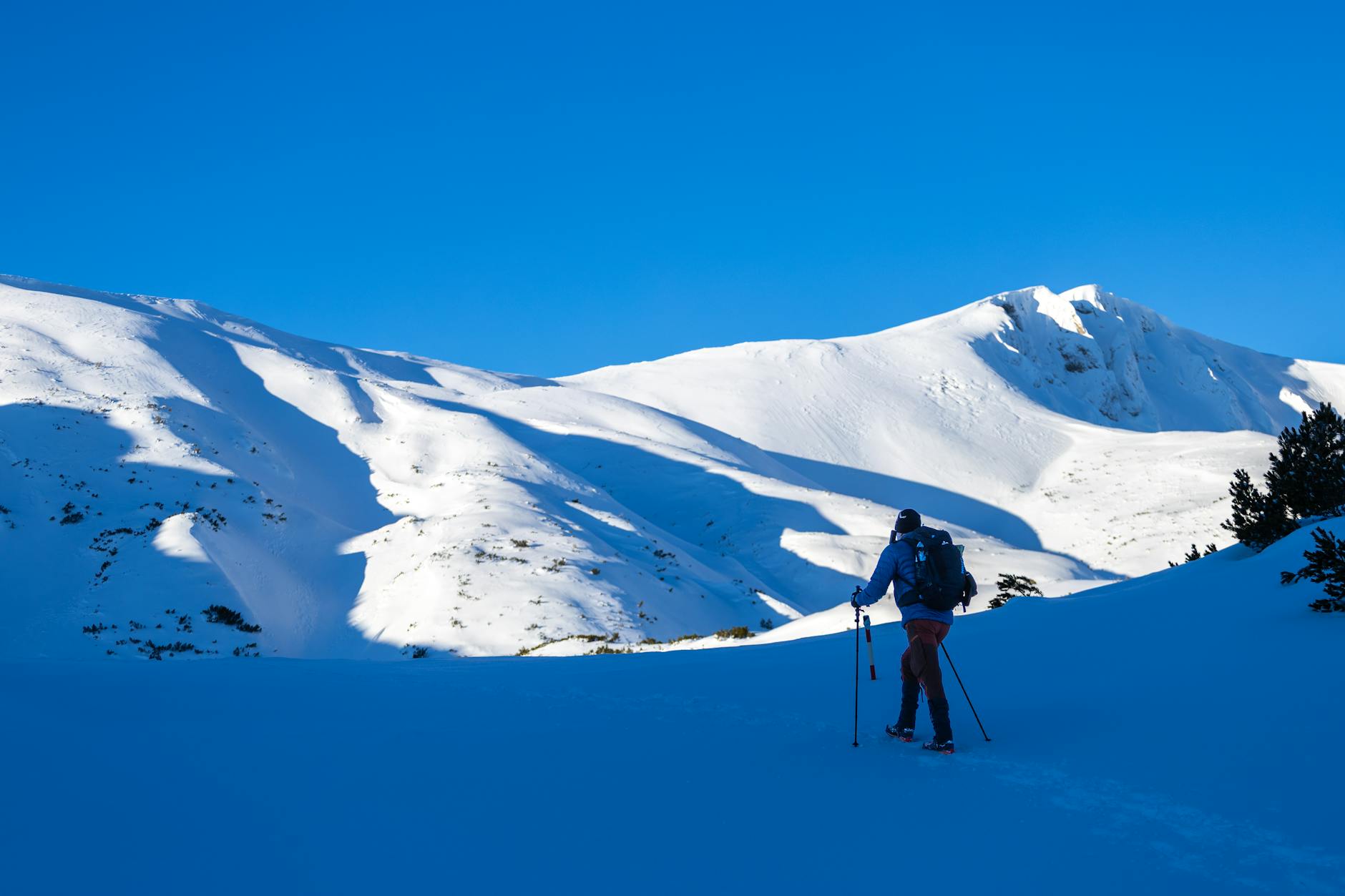
This demonstrates that diversified energy resources—batteries, renewable energy, natural gas, and coal plants distributed across the region—provide redundancy that pure reliance on any single source cannot. However, battery storage capacity remains far below what would be needed to fully buffer a multi-day winter event across an entire region, particularly in colder climates where heating demand is highest. Winter poses a different kind of grid challenge than summer. Cold weather reduces the efficiency of some equipment, increases demand for electricity and natural gas simultaneously (creating fuel supply bottlenecks), and can damage transmission lines and distribution equipment. For people with dementia and other older adults, loss of heat during a cold snap can lead to hypothermia within hours, especially if they live alone or have difficulty communicating that they’re cold. Unlike heat-related deaths, which spike immediately during blackouts, cold-related deaths can occur gradually over several days, sometimes without obvious symptoms until the condition becomes critical.
Battery Storage and Renewable Energy Solutions
Texas’s battery deployment during Winter Storm Fern shows one path toward greater grid resilience, but scaling this approach nationally faces significant hurdles. Battery systems can respond instantly to demand spikes and provide backup power when generation sources fail, making them extremely valuable for grid stability. However, current battery capacity is measured in gigawatt-hours—the amount of energy stored—while grid demand is measured in terawatt-hours per year. To fully stabilize a regional grid using batteries alone would require a massive buildout of storage infrastructure, at enormous cost and with significant manufacturing and supply chain challenges. Renewable energy sources like wind and solar create a different kind of problem. Unlike coal or natural gas plants that can run whenever fuel is available, wind turbines only generate when the wind blows and solar panels only during daylight.
This is where moderate weather becomes surprisingly dangerous—a multi-day period of cold or warm conditions with little wind and cloud cover, lasting three to five days, can drain battery reserves faster than generation can replenish them. Research from the National Renewable Energy Laboratory (NREL) now identifies “moderate” weather as a greater threat to grid stability than individual extreme events. This counterintuitive finding challenges the assumption that the worst weather creates the worst grid problems; instead, extended periods of mild conditions with low renewable output cause deeper grid stress. The tradeoff is clear: renewable energy is essential for reducing carbon emissions and providing affordable power during normal conditions, but it requires substantial investment in battery storage, grid interconnection, and demand management systems to maintain reliability. The alternative—continuing to rely primarily on natural gas and coal—locks in higher emissions and offers no protection against fuel supply disruptions like pipeline failures during winter events. Grid operators are increasingly caught between the speed of climate change and the pace of infrastructure modernization.
The Hidden Threat of Moderate Weather and Future Grid Demand
As noted, the biggest emerging threat to grid stability isn’t the hurricane or the heat wave; it’s the extended period of moderate conditions with low wind and solar output. A multi-day cold snap in spring or fall, or a cool, overcast period in summer, can exhaust battery reserves and force rolling blackouts even though the weather doesn’t feel extreme. This shift in vulnerability means planning for grid resilience requires different strategies than we’ve historically used—less focus on bracing for peak events and more focus on managing extended periods of sub-optimal renewable conditions. Winter electricity demand is also rising at the fastest rate in recent years, driven by increased adoption of electric heating (heat pumps), electric vehicles charging, and electrification of buildings that previously relied on natural gas or heating oil. This rising winter demand is arriving precisely when grid operators are dealing with colder-than-average winters and increased coal and nuclear plant retirements.
The combination creates a pinch point, particularly in regions like New England that have limited natural gas pipeline capacity and must import electricity from adjacent regions during winter peaks. The limitation of current infrastructure modernization efforts is that they’re not keeping pace with demand growth. The U.S. Department of Energy has begun issuing emergency orders to deploy backup generation to strained regions—Mid-Atlantic, the Carolinas, New England, New York, and Texas all required emergency assistance during Winter Storm Fern. These orders are temporary measures, not solutions. They buy time while longer-term grid upgrades proceed, but they signal that the gap between available generation and potential demand is widening.

Preparing Your Household for Grid Disruptions
Protecting yourself during power outages requires specific preparations, particularly if you or a family member has dementia, takes refrigerated medications, uses medical equipment, or is over 65. Create an emergency kit that includes: several days of shelf-stable food and bottled water, battery-powered or hand-crank radio and flashlights, a first aid kit, prescription medications in original bottles with clear labels, a list of all current medications and conditions, backup power for critical medical devices, and chemical ice packs for coolers to preserve refrigerated medications if the outage lasts more than a few hours. For people with dementia, identify a backup caregiver or neighbor who can check on them during an outage. Ensure they know where to find medications, how to operate backup equipment, and when to seek emergency help. If someone requires dialysis, oxygen, or other life-sustaining equipment, confirm that the medical supplier has an emergency power plan and know where to go if you need to evacuate.
During heat waves or cold snaps, don’t wait for the power to actually fail—move to a cooler or warmer location preemptively if extreme weather is forecast. Emergency shelters, public cooling centers, and family members’ homes are safer than staying in a home without climate control during dangerous weather. Keep important documents (insurance information, medication lists, medical power of attorney) in a waterproof, portable container. Program emergency contact numbers into your phone and in writing, since phones lose charge during outages. Maintain several days of backup medications in a cool place if they require refrigeration. These preparations aren’t about being alarmist; they’re practical steps that can prevent a grid failure from becoming a medical emergency.
The Future of Resilient Energy Infrastructure
The path forward requires both immediate resilience improvements and long-term infrastructure transformation. In the near term, this means maintaining existing reliable generation sources while rapidly scaling battery storage, modernizing transmission lines to reduce bottlenecks, and investing in demand management systems that can automatically reduce consumption during peak periods. It also means improving forecasting—better weather prediction allows grid operators to prepare more effectively and reduces the surprise outages caused by forecast misses. Longer term, the grid must become more distributed, with more generation happening locally (rooftop solar, small wind turbines, community solar projects) rather than relying on centralized power plants and long-distance transmission. This redundancy naturally improves resilience because a regional failure no longer cascades across the entire interconnection.
It also requires public investment in hardening infrastructure against extreme weather—reinforcing transmission lines against high winds, insulating critical equipment against temperature extremes, and relocating or protecting substations in flood-prone areas. The economic cost of this modernization is substantial, but it’s far less than the cost of repeated blackouts that disrupt hospitals, businesses, and communities. The added pressure from artificial intelligence and cryptocurrency mining data centers further strains already-tight grids. Several tech companies are racing to secure dedicated power supplies for AI infrastructure, sometimes negotiating long-term contracts that lock up generation capacity. If these commitments grow as projected, they could significantly reduce the spare capacity that grid operators rely on to manage emergencies. This dynamic hasn’t been fully addressed in grid planning yet, but it represents an emerging risk that policymakers and grid operators are beginning to acknowledge.
Conclusion
Extreme weather is fundamentally challenging how America’s power grid operates, with major blackouts increasing 60% over the past five years and grid failures more than doubling since 2015. The danger extends beyond temporary inconvenience—concurrent blackouts and heat waves double heat-related mortality, making power outages a direct health threat, especially for older adults and people with dementia. Winter events pose equally serious risks, with cold-related hypothermia creeping up on vulnerable people without obvious warning.
The good news is that resilience is possible: Texas demonstrated 7,000+ megawatts of battery storage capacity during Winter Storm Fern, and grid operators now understand that the problem isn’t just building more capacity but managing it more intelligently through storage, local generation, and forecasting. However, this transition requires sustained investment and policy commitment. In the meantime, the most effective action you can take is preparing your household for outages—creating an emergency kit, identifying vulnerable family members, securing backup power for medical equipment, and knowing where to go if your home becomes unsafe. The grid will continue to be strained by extreme weather for decades to come, but preparation makes the difference between an inconvenience and a crisis.
Frequently Asked Questions
How long can most medications last outside of refrigeration if the power goes out?
Most medications are stable at room temperature for several hours, but insulin, biologics, and some antibiotics degrade quickly and are dangerous to use after thawing. Check your specific medications in advance with your pharmacist and ask about shelf-stable alternatives. Maintain extra doses in a cool location and have a plan to replace them if they’re affected by an outage.
What should I do if someone with dementia gets confused during a power outage?
Confusion and disorientation often increase when familiar routines and environmental cues (lights, air conditioning, background noise) are disrupted. Have a written emergency plan, ensure they know you’re there and everything is under control, keep them hydrated, and if conditions worsen (extreme temperature, medical emergency), call 911. Don’t hesitate to move to a safer location if the outage lasts more than a few hours.
Can I rely on a generator for backup power during an outage?
Portable generators are valuable backup for some equipment and lighting, but they require fuel, regular maintenance, and safe outdoor placement (never run indoors due to carbon monoxide risk). They’re not a complete solution for household power. For medical equipment, confirm whether your device can run on generator power—some require standard electrical specifications. Whole-home backup systems are more reliable but much more expensive.
Why did the power company say “moderate” weather caused more problems than the extreme storm last month?
This reflects a real shift in grid vulnerability as renewable energy becomes a larger share of generation. Wind turbines and solar panels need wind and sun to work, and extended cool, cloudy, calm periods can deplete battery storage faster than a single extreme storm. One-day extreme events are easier to prepare for; multi-day moderate conditions with minimal generation are harder to manage.
Should I move closer to family members before winter to avoid power outage risk?
Moving isn’t necessary for everyone, but proximity to trusted family or a community with good infrastructure is a real advantage during power disruptions. If you’re currently isolated or in an area with aging infrastructure, having a backup plan to go somewhere safe during extreme weather is important. This could mean identifying a neighbor, family member, or public shelter you can reach within a few hours.
How can I tell if a heat wave is dangerous enough to leave my house?
Any heat wave with sustained temperatures above 90°F (32°C) when combined with a power outage is dangerous for older adults and people with medical conditions. Don’t wait—move to air conditioning preemptively if extreme heat is forecast. Your life and health are worth the inconvenience. Same guidance applies to extreme cold below freezing—if heating is compromised, move to a warmer location immediately.
You Might Also Like
- Record Heat Forces Cities to Issue Emergency Weather Advisories
- Long Lines at Airport Security Checkpoints Cause Missed Flights
- Drivers React to Sharp Increase in Gas Prices Nationwide
For more, see Alzheimer’s Association — clinical trials.