Drivers react sits at the center of this dementia and brain health question.
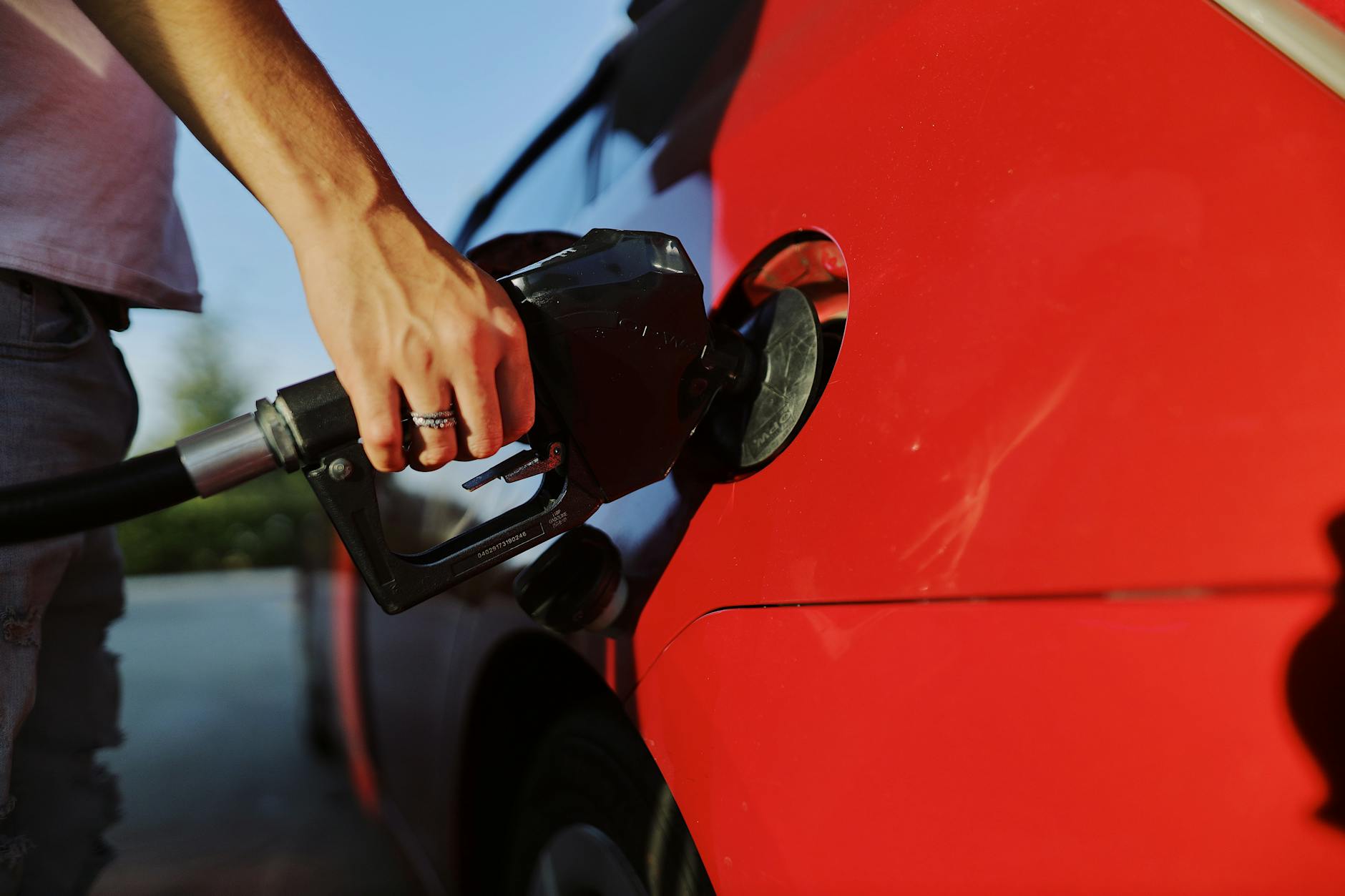
Drivers across the United States are confronting sticker shock at the pump as gasoline prices have surged to their highest levels in more than two years. The national average reached $3.88 per gallon on March 19, 2026, according to AAA data—a dramatic spike that has left commuters frustrated and financially strained. In New York City, drivers are paying as much as $5.39 per gallon, with one Harlem resident summing up the sentiment bluntly: “It’s crazy.” This sudden price increase came on top of nearly a dollar-per-gallon jump in just one month, from approximately $2.98 in late February to $3.88 by mid-March.
The sharp increase has triggered serious concerns about household budgets, job security, and the broader economic outlook. For working drivers who depend on their vehicles daily, these prices translate directly to reduced discretionary income and added financial stress. This article examines what’s driving the price spike, how it varies across the country, its impact on everyday life, and what the future may hold for fuel costs.
Table of Contents
- How Quickly Have Gas Prices Risen in Recent Weeks?
- What’s Behind This Price Spike at the Pump?
- How Are Regional Gas Price Differences Affecting Drivers?
- What’s the Real Economic Impact on Everyday Drivers?
- Why Is the Strait of Hormuz So Critical to Gas Prices?
- What Can Drivers Do in Response to Higher Fuel Costs?
- When Might Gas Prices Stabilize?
- Conclusion
How Quickly Have Gas Prices Risen in Recent Weeks?
The pace of this increase is extraordinary. Between March 12 and March 19 alone, prices jumped by $0.28 per gallon—roughly an 8% surge in just seven days. Over the course of a single month, prices nearly climbed a full dollar, which is the second-largest four-week price increase in the past 30 years. To put this in perspective, this spike rivals the 2022 surge triggered by Russia’s invasion of Ukraine, and it ranks as one of the most volatile periods for fuel prices in recent decades.
For consumers, the impact is immediate and tangible. A driver with a 15-gallon fuel tank facing a $0.28 per gallon jump absorbs an additional $4.20 per fill-up. Someone commuting 30 miles daily in a vehicle averaging 25 miles per gallon would spend roughly $5.30 more per day on gas than they did one week prior. Over a month, that difference amounts to hundreds of dollars—money many households don’t have in their budgets.

What’s Behind This Price Spike at the Pump?
The root cause traces back to geopolitical tensions in the Middle East. On February 28, 2026, the United States and israel launched joint attacks against Iran, triggering immediate concerns about global oil supply disruptions. These attacks raised alarm about potential retaliatory strikes and supply chain vulnerabilities in one of the world’s most critical energy chokepoints: the Strait of Hormuz. The Strait of Hormuz is where approximately one-fifth of the global oil supply flows through daily.
Any disruption to this passage—whether from military conflict, blockades, or other geopolitical actions—sends shockwaves through global energy markets. When traders and producers fear supply cuts are coming, crude oil prices become volatile and surge upward. This uncertainty translates directly to higher pump prices within days, even if actual supply disruptions haven’t materialized yet. However, if the geopolitical situation stabilizes without major supply losses, prices can fall just as rapidly.
How Are Regional Gas Price Differences Affecting Drivers?
Gas prices vary dramatically across the country based on local regulations, refining capacity, and transportation costs. As of March 19, 2026, California led the nation with prices reaching $5.36 to $5.616 per gallon, while Hawaii drivers faced $4.76 to $5.070 per gallon. Washington state averaged $4.74 to $5.145 per gallon, and Nevada came in at $4.39. In contrast, Oklahoma had the lowest prices at just $3.24 to $3.243 per gallon, while Kansas averaged $3.247.
These regional differences create a tale of two Americas when it comes to fuel affordability. A driver in Oklahoma filling up a 15-gallon tank pays roughly $48.60, while that same 15 gallons costs over $81 in California—a difference of more than $32. new York City residents in particular have felt the squeeze; prices climbed from $2.98 one month earlier to $3.74 by mid-March, with some premium stations pushing toward $5.39. This regional disparity means that where you live fundamentally affects your transportation costs and household budget, disproportionately impacting residents in high-cost states.
What’s the Real Economic Impact on Everyday Drivers?
For workers who depend on vehicles for employment, rising gas prices directly reduce take-home pay. One driver told reporters that the increases hurt “people that drive everyday that depend on their vehicles for their job,” highlighting the particular vulnerability of delivery drivers, rideshare workers, and service industry employees. When fuel costs spike suddenly, these workers either absorb the cost or reduce their driving, which means fewer working hours and less income. The timing of this price surge coincides with spring break season, when many families attempt to travel.
Higher fuel costs deter discretionary travel, reduce tourism spending, and slow consumer activity. This matters because consumer spending drives economic growth. The University of Michigan’s consumer sentiment index stood at 56.4 in January 2026—dangerously close to recessionary territory even before this price spike. Fuel costs that drain household budgets further suppress consumer confidence and spending, potentially tipping economic sentiment into contraction.
Why Is the Strait of Hormuz So Critical to Gas Prices?
The Strait of Hormuz is a narrow waterway between Iran and Oman that connects the Persian Gulf to the Arabian Sea and beyond to global markets. Roughly 21 percent of all globally traded oil flows through this single chokepoint daily. When geopolitical tensions rise in the region, markets immediately price in supply risk because any disruption would be catastrophic for global energy supplies.
However, it’s important to note that supply disruptions haven’t actually occurred—the price spike reflects feared disruptions based on military actions and tensions. If Iran retaliates and damages tankers or blocks the strait, prices would spike far higher. Conversely, if the situation de-escalates without actual supply cuts, prices may decline as quickly as they rose. The current price level reflects uncertainty and risk premium, not confirmed supply losses.

What Can Drivers Do in Response to Higher Fuel Costs?
While individual drivers can’t control global oil markets, they can adjust their behavior to minimize impact. Reducing unnecessary trips, combining errands into single outings, carpooling, or using public transportation where available can trim fuel consumption. Some drivers shift to working closer to home or negotiate more flexible schedules to reduce commute frequency.
However, these strategies work better for some drivers than others. A rural resident with a 45-minute commute to the nearest job has far fewer options than someone in an urban area with transit access. Similarly, workers in essential services—healthcare, emergency response, delivery—can’t simply reduce driving without losing income or compromising service.
When Might Gas Prices Stabilize?
The trajectory of fuel costs depends entirely on how the geopolitical situation resolves. If the U.S.-Iran tensions cool without major military escalation or supply disruptions, crude oil prices should decline, bringing pump prices down within weeks. However, if conflict escalates and actually disrupts shipping through the Strait of Hormuz, prices could spike significantly higher before falling.
Energy analysts emphasize that oil markets are forward-looking, meaning prices respond to expectations about future supply and demand. The current price spike reflects fears of what could happen, not what has happened. Once those fears ease—whether through diplomatic resolution, military de-escalation, or simply the passage of time without disruption—prices should normalize. Markets typically work off these crisis premiums within 4-8 weeks unless the underlying problem actually materializes.
Conclusion
The sharp increase in gas prices to $3.88 per gallon nationally represents a genuine economic shock for American households, particularly those dependent on vehicles for work and daily living. The near-$1 jump in a single month ranks among the largest price swings in three decades, with causes rooted in geopolitical tensions in the Middle East rather than fundamental supply shortages. While regional variations mean some drivers face significantly more pain than others, the common thread is sudden financial pressure on household budgets during an already economically uncertain period.
Moving forward, drivers should monitor both fuel prices and geopolitical developments in the Middle East, as the two remain tightly linked. For now, minimizing unnecessary driving and planning ahead for fuel costs can help manage the immediate impact. The silver lining is that unlike permanent structural changes to the economy, fuel price spikes tend to be temporary—but temporary can still mean weeks or months of strain for those living paycheck to paycheck.
You Might Also Like
- Why Herniated Disc Symptoms Can Vary Widely
- Why Herniated Disc Recovery Requires Core Strength
- What a Bulging Disc Actually Feels Like in the Lower Back and Legs
For more, see NIH MedlinePlus — cognitive testing.