Yes, air quality likely belongs in your wellness routine, particularly if you or a loved one is concerned about brain health and dementia risk. Environmental neurotoxins—chemicals in the air we breathe that can damage nerve cells—accumulate over decades, and growing evidence suggests that poor air quality may accelerate cognitive decline. Unlike diet or exercise, which we consciously control, we inhale ambient air passively, making air quality an overlooked variable in brain health conversations that typically focus on cardiovascular exercise, Mediterranean diets, and cognitive stimulation. The gap exists partly because air quality feels abstract and distant.
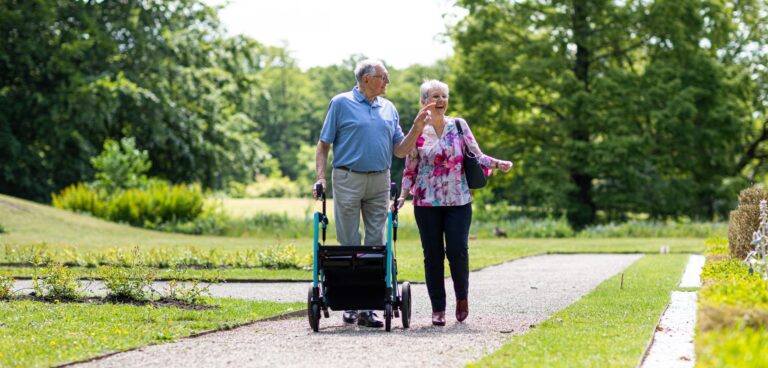
You cannot see most of what damages your brain when you breathe. A person walking through a busy intersection for 20 minutes during rush hour inhales particulates, industrial byproducts, and vehicle emissions; the damage is cellular and cumulative. What makes this relevant to dementia care specifically is that the same neuroinflammation triggered by air pollutants may accelerate the pathology we see in Alzheimer’s and other dementias. Consider a retiree in a city with high ozone and particulate pollution who otherwise follows good health habits: regular walks, cognitive games, social engagement. The daily exposure to poor air quality may partially offset those protective factors, creating what researchers describe as an incomplete picture of lifestyle risk.
Table of Contents
- What Are Neurotoxins and How Does Air Quality Factor In?
- The Neuroscience Behind Air Pollution and Brain Aging
- Common Pollutants and Their Specific Brain Effects
- Practical Approaches to Reducing Personal Air Toxin Exposure
- Air Quality Gaps in Current Brain Health Recommendations
- Indoor Air Quality, Household Sources, and Cognitive Health
- Air Pollution Exposure Across Different Living Environments
- Frequently Asked Questions
What Are Neurotoxins and How Does Air Quality Factor In?
Environmental neurotoxins include fine particulate matter (PM2.5), ozone, nitrogen dioxide, sulfur dioxide, and heavy metals like lead and mercury that persist in the atmosphere. These substances enter the body through inhalation and, in the case of fine particles, can cross the blood-brain barrier—the membrane that normally protects the brain. Once inside the brain, they may trigger inflammatory cascades and oxidative stress, both implicated in neurodegeneration. air quality serves as the delivery mechanism for these toxins. A region with poor air quality typically has elevated concentrations of multiple pollutants simultaneously.
Industrial areas, high-traffic corridors, and regions downwind of agricultural or manufacturing activity experience chronic exposure patterns that differ fundamentally from areas with better air management. The cumulative dose matters more than single exposures; someone breathing moderately polluted air for 30 years may experience greater impact than someone breathing very polluted air for one year. One practical comparison: if you think of cognitive reserve as a savings account, environmental toxins act like a slow drain. You can deposit money through education, social connection, and mental activity, but simultaneous withdrawals from air pollution reduce your net savings. The person depositing and withdrawing simultaneously ends with less than someone depositing alone, even if deposits are equal.
The Neuroscience Behind Air Pollution and Brain Aging
When PM2.5 particles enter the lungs, some penetrate deep into alveolar tissue, cross into the bloodstream, and reach the brain. Animal studies and autopsy data suggest that accumulation of ultrafine particles occurs in brain tissue, particularly in regions involved in memory and executive function. The inflammatory response triggered by these particles may mimic or accelerate the neuroinflammatory cascade seen in Alzheimer’s disease, though direct causation remains difficult to establish in humans. A significant limitation of current research is the reliance on epidemiological association. Large-scale population studies show that people living in areas with worse air quality tend to have higher dementia rates, but this cannot definitively prove air pollution caused the dementia.
Confounding factors—income, access to healthcare, education, stress, diet—cluster with air quality, making isolation of air quality’s independent effect challenging. Someone living in a polluted urban neighborhood may also face higher stress, less access to preventive care, and poorer nutrition, all of which independently increase dementia risk. There is also individual variability in susceptibility. Genetic factors, age at exposure, baseline neuroinflammatory status, and apolipoprotein E (APOE) genotype appear to influence whether chronic air exposure translates to measurable cognitive changes. Not everyone exposed to poor air quality develops dementia, just as not everyone who smokes develops lung cancer, though risk increases statistically.
Common Pollutants and Their Specific Brain Effects
Particulate matter exists on a spectrum. PM10 (particles 10 micrometers or smaller) reaches the lungs. PM2.5 (2.5 micrometers or smaller) penetrates deeper into alveoli and may translocate to the bloodstream and brain. Ultrafine particles (less than 0.1 micrometers) bypass lung defenses most effectively. A person breathing air in a busy highway corridor during rush hour—where PM2.5 concentrations spike—receives a denser dose of particles than someone in a suburban area with lower traffic density.
Ozone, a secondary pollutant formed when nitrogen oxides and volatile organic compounds react in sunlight, is not itself a particle but a gas that inflames the respiratory and nervous systems. Chronic ozone exposure has been associated with neuroinflammatory markers and changes in brain structure in animal studies, though human evidence remains preliminary. Unlike particulate matter, which accumulates, ozone damage is primarily inflammatory and may be reversible with reduced exposure, though repeated inflammatory insults can become permanent. Heavy metals such as lead, which persists in older housing stock and some contaminated soils, and mercury, emitted from coal-fired power plants and industrial processes, accumulate in brain tissue over years. Lead is particularly neurotoxic to the developing brain but also contributes to cognitive aging in adults. A person living in a pre-1980 home with lead paint and in an area downwind of industrial activity faces double exposure—one through household sources, one through ambient air.
Practical Approaches to Reducing Personal Air Toxin Exposure
Reducing exposure requires layered strategies. Indoor air filtration using HEPA filters can reduce PM2.5 concentrations inside homes and offices by 30–50% depending on the system and how well-sealed the space is. This matters most for people who spend most time indoors—which includes many older adults and caregivers. The trade-off is cost: quality HEPA systems require initial investment and ongoing filter replacement. Timing of outdoor activities can reduce exposure to peak pollution.
Ozone levels tend to be highest in afternoon and early evening during warm months; nitrogen dioxide and particulate matter are often highest during morning and evening rush hours and in winter months when atmospheric mixing is reduced. An alternative route or different time of day for daily walks—shifting from an afternoon commute-hour walk along a busy road to a morning walk in a park—may reduce acute exposure, though this depends on local traffic patterns and meteorology. The limitation is that personal action alone cannot eliminate ambient air pollution. Individual HEPA filtration protects someone in a single building, but a person’s overall exposure integrates work, home, transit, and social spaces. Someone relying on public transit or working in an area with poor air quality cannot fully isolate from ambient pollution through personal measures. Air quality ultimately depends on regional emission policies, industrial regulation, and transportation infrastructure—factors beyond individual control.
Air Quality Gaps in Current Brain Health Recommendations
Most dementia prevention advice—Mediterranean diet, cognitive engagement, physical activity, social connection, sleep quality, blood pressure control—is well-established and actionable at the individual level. Air quality is rarely mentioned, partly because the evidence linking it specifically to dementia is still emerging compared to cardiovascular risk factors. A neurologist may counsel a patient on exercise but not on relocating away from a busy highway, even though the latter might have measurable brain-protective benefit. A second gap is measurement. People track steps, sleep, blood sugar, and weight with consumer devices, but air quality awareness remains passive—most people check an air quality index only when they notice haze or smell smoke.
Real-time personal air quality monitoring through wearable devices is still limited, and the data it provides (pollutant exposure dose) is not yet translated into clear cognitive or clinical outcomes. Without feedback loops, air quality does not prompt behavior change the way step counts or weight do. The practical warning: do not treat air quality as a replacement for established interventions. Improved air quality cannot substitute for physical activity or social engagement. Rather, it is a complementary factor—reducing a source of damage while other interventions build resilience. Focusing exclusively on air quality while neglecting exercise or cognitive engagement would be a miscalibration of priorities.
Indoor Air Quality, Household Sources, and Cognitive Health
Indoor air quality is often worse than outdoor air in urban areas because indoor pollutants accumulate in a confined space. Sources include combustion products from gas stoves and fireplaces, volatile organic compounds (VOCs) from paints and adhesives, dust mites and mold, and outdoor pollutants that infiltrate.
Older adults and people with dementia spend considerable time indoors, making indoor air quality particularly relevant for this population. A specific example: an older adult living in a home with a gas stove, minimal ventilation, and baseline poor outdoor air quality experiences a layered exposure pattern that is difficult to characterize with a single air quality index. Simple interventions—using exhaust fans when cooking, sealing air leaks to reduce infiltration of outdoor pollutants, and using HEPA filters—can reduce this cumulative load, though no single measure will eliminate exposure entirely.
Air Pollution Exposure Across Different Living Environments
Urban and suburban environments have structurally different pollution profiles. Urban areas often have higher concentrations of nitrogen dioxide and particulate matter from traffic and industry but may have better regulatory oversight and public transportation alternatives. Suburban and rural areas typically have lower traffic-related pollution but may experience agricultural chemical drift, industrial emissions from facilities located in areas zoned for manufacturing, and prescribed burn smoke depending on region and season.
A person moving from a city to a rural area does not automatically reduce neurotoxin exposure if that rural area is downwind of agricultural operations or industrial facilities. Similarly, living in a suburb with high automobile dependence and limited public transit may result in worse cumulative air pollution exposure than living in a walkable urban neighborhood with strong emission regulations. The assumption that “fresh air” outside cities equals lower neurotoxin exposure often does not hold when specific emission sources and atmospheric transport patterns are examined.
Frequently Asked Questions
Can air filtration completely protect my brain from environmental neurotoxins?
No. HEPA filtration reduces particulate matter concentrations in a filtered space, but does not eliminate exposure during transit, outdoor activities, or in unfiltered spaces. Additionally, some neurotoxins like ozone are gases that HEPA filters alone cannot fully remove without additional activated carbon filtration.
Is the link between air quality and dementia definitively proven?
Large-scale studies show association between poor air quality and higher dementia rates, but direct causation is difficult to prove in humans. Confounding factors like income, healthcare access, and stress cluster with air quality, making it hard to isolate air quality’s independent effect.
Should I relocate if I live in an area with poor air quality?
Relocation is a major decision involving many factors beyond air quality. If cognitive health is a concern, improving air quality where you are—through filtration, ventilation, and timing outdoor activities—is a more practical starting point than major relocation.
Do HEPA filters remove heavy metals from air?
HEPA filters remove particulates that may carry some heavy metals, but not all metallic pollutants. Gaseous mercury, for example, requires activated carbon or specialized filtration, not standard HEPA alone.
Is air pollution equally damaging to all brains?
No. Age, genetics, baseline neuroinflammatory status, and existing health conditions all influence individual susceptibility to air pollution’s neurotoxic effects. Some people may experience measurable cognitive impact from chronic exposure while others do not.
What air quality level should I aim for?
Most health agencies recommend keeping PM2.5 below 12 µg/m³ for long-term exposure. On days when air quality is moderate or worse (higher PM2.5), reducing outdoor exposure and using filtration indoors are practical protective steps.