Stroke is the fifth-leading cause of death in the United States and a primary driver of long-term disability, making prevention a critical responsibility for anyone caring for an older adult or someone with cognitive decline. Caregivers play a vital role in reducing stroke risk by understanding the modifiable risk factors—blood pressure management, atrial fibrillation detection, diabetes control, and lifestyle changes—and helping their care recipients stay consistent with prevention strategies. Unlike many health emergencies that arrive without warning, most strokes are preventable through behavioral changes and medical management that caregivers can directly influence.
The stakes are particularly high for people living with dementia or mild cognitive impairment, who face additional stroke risk due to reduced self-monitoring, medication non-adherence, and difficulty reporting subtle symptoms. A person with dementia may not remember to take blood pressure medication, recognize warning signs, or articulate physical changes to a healthcare provider. Caregivers become the frontline defense, translating medical guidance into daily routines and catching signs of deterioration that might otherwise go unnoticed. Understanding what to monitor, which risk factors matter most, and how to advocate within medical settings is not optional knowledge for caregivers—it’s foundational to protecting the people they care for from a preventable catastrophe.
Table of Contents
- Why Blood Pressure Control Is the Caregiver’s First Priority
- Detecting and Managing Atrial Fibrillation, the Hidden Stroke Risk
- Diabetes Management as a Stroke Prevention Strategy
- Recognizing and Responding to Stroke Warning Signs
- Managing Cardiovascular Risk Factors and Medication Adherence
- Lifestyle Factors: Diet, Exercise, and Sleep Quality
- When and How to Involve Healthcare Providers in Prevention Planning
Why Blood Pressure Control Is the Caregiver’s First Priority
Hypertension is responsible for approximately 54% of stroke deaths and is the single most modifiable stroke risk factor. For a caregiver, this means that consistent blood pressure management often prevents stroke more reliably than any other intervention. The relationship is dose-dependent: even a 10 mmHg reduction in systolic pressure lowers stroke risk by roughly 15%. This is not marginal improvement—it’s the difference between a person staying independent and becoming severely disabled. Most adults should aim for blood pressure below 130/80 mmHg according to current guidelines, though targets vary by age and comorbidities.
A caregiver managing a 75-year-old with hypertension and mild cognitive impairment might work with the healthcare team to establish whether the goal is 130/80 or slightly higher to avoid falls from over-aggressive blood pressure lowering. The practical reality is that medication adherence fails frequently in older adults: one study found that approximately 50% of people prescribed antihypertensive medication stop taking it within the first year. A caregiver can counteract this by organizing medications into a pill organizer with clear daily labels, setting phone reminders, and monitoring for side effects that might prompt medication changes. One limitation caregivers should know: lowering blood pressure too quickly or too aggressively in people with dementia can cause orthostatic hypotension (dizziness upon standing), increasing fall risk and actually raising stroke risk through different mechanisms. This creates a tension between stroke prevention and fall prevention that requires collaboration with the care recipient’s physician. If an older adult begins falling after a medication adjustment, reporting this promptly allows the doctor to find a better balance.
Detecting and Managing Atrial Fibrillation, the Hidden Stroke Risk
Atrial fibrillation (AFib) increases stroke risk five-fold by allowing blood to pool in the heart and form clots. The problem is that many people have AFib without knowing it—it may be asymptomatic or present only as occasional irregular heartbeats. For older adults and those with cognitive decline, this “silent” AFib is particularly dangerous because they may not notice palpitations or report them reliably. A caregiver should know the symptoms: irregular or fluttering heartbeat, shortness of breath, fatigue, or chest discomfort. Checking a pulse manually for regularity can catch obvious arrhythmias, though some AFib is paroxysmal (comes and goes) and won’t be detected by pulse checks alone. The standard medical response to confirmed AFib is anticoagulation therapy—typically warfarin or a newer direct oral anticoagulant (DOAC) like apixaban or rivaroxaban.
These medications dramatically lower stroke risk in AFib patients (reducing it by about 65%), but they carry bleeding risks. A caregiver’s role shifts to monitoring for signs of bleeding—bruising, nosebleeds, blood in stool or urine, or unusual bleeding from gums—and ensuring the person takes the medication exactly as prescribed every day. For someone with dementia, missing doses of anticoagulation is dangerous in a way that missing other medications is not; even a single missed day can contribute to clot formation. One critical limitation: not all providers screen older adults for AFib routinely. Caregivers should ask whether their care recipient has had an ECG recently or whether AFib screening is part of the annual physical. If someone has had a stroke or transient ischemic attack (TIA), AFib screening becomes urgent because undetected AFib is a common reason for recurrent strokes despite other risk factor management.
Diabetes Management as a Stroke Prevention Strategy
Diabetes more than doubles stroke risk by damaging blood vessels and accelerating atherosclerosis. The relationship is strong across all age groups, but older adults with diabetes often struggle with blood sugar control due to complexity of regimens, cognitive decline, and polypharmacy. A caregiver managing diabetes in a person with dementia must balance tight glycemic control (lowering hemoglobin A1C to reduce long-term complications) against the immediate risk of hypoglycemia (low blood sugar), which can cause confusion, seizures, or loss of consciousness. Caregivers typically oversee medication administration, meal planning, and monitoring. For someone taking insulin, this means preparing or witnessing injections, recognizing hypoglycemic symptoms (shakiness, sweating, confusion, slurred speech), and keeping fast-acting carbohydrates accessible.
Regular hemoglobin A1C testing (typically every 3 months) shows whether the diabetes regimen is working; an A1C below 7% is the typical target for stroke prevention, though some older adults do better with slightly higher targets around 7–8% to avoid hypoglycemia. A caregiver can request these test results and track trends to know whether changes are needed. One significant tradeoff: older people with multiple comorbidities sometimes benefit from relaxed glucose targets to reduce hypoglycemic episodes, even if it means slightly higher A1C. This decision requires discussion with the diabetes provider. Caregivers should not attempt to tighten or loosen control on their own but should bring home blood sugar readings to appointments so providers can make informed adjustments.
Recognizing and Responding to Stroke Warning Signs
Every minute during a stroke, approximately 1.9 million brain cells die. This urgency makes rapid recognition and emergency response the difference between full recovery and permanent disability. Caregivers must know the FAST acronym: Face (does one side droop?), Arms (can the person raise both arms?), Speech (is speech slurred or strange?), and Time (call 911 immediately). Some organizations now include “Balance” (sudden loss of balance or coordination) and “Vision” (sudden vision loss) as additional signs. For someone with dementia, recognizing a stroke is sometimes harder because baseline cognitive deficits can mask new changes.
A caregiver who knows the person’s normal speech and abilities is better equipped to spot sudden changes than someone meeting them for the first time. For example, if a person with moderate dementia suddenly becomes mute (when they normally speak in short sentences) or starts dragging one leg (when they normally walk with a slight limp), a stroke should be the first thought, not assumed progression of dementia. The person should be taken to an emergency department capable of performing acute stroke treatment (thrombectomy or thrombolytics), ideally within 4.5 hours of symptom onset. Caregivers should also know the signs of TIA (transient ischemic attack), sometimes called a “mini-stroke,” in which symptoms resolve within 24 hours but indicate high immediate stroke risk. A TIA is a red flag requiring urgent medical evaluation, not something to “wait and see” about.
Managing Cardiovascular Risk Factors and Medication Adherence
Cholesterol management, smoking cessation, and consistent medication adherence are foundational but often overlooked by caregivers focused on more visible problems. Elevated LDL cholesterol contributes to atherosclerosis, and statins reduce stroke risk in people with prior stroke or multiple risk factors. Caregivers should ask the healthcare provider whether a statin is appropriate and, if prescribed, whether the current dose aligns with stroke prevention goals. Smoking is a direct stroke risk factor that doubles or triples risk and also reduces the effectiveness of other preventive medications. A caregiver cannot force someone to quit smoking, but they can reduce exposure to secondhand smoke, remove cigarettes from the home, and discuss cessation strategies with the care recipient and healthcare team.
For people on nicotine replacement or prescription cessation medications, the caregiver can help ensure consistent use. The major limitation caregivers face is medication non-adherence, which is particularly common in dementia. A person may forget to take medications, refuse them due to changes in swallowing or taste, or stop them because they feel better (not understanding that prevention works silently). Caregivers can use pill organizers, set alarms, simplify regimens by consolidating medications where possible, and report non-adherence to the provider rather than assuming the person simply does not want treatment. Some medications have long-acting formulations that reduce the number of daily doses needed, which can improve adherence in cognitive decline.
Lifestyle Factors: Diet, Exercise, and Sleep Quality
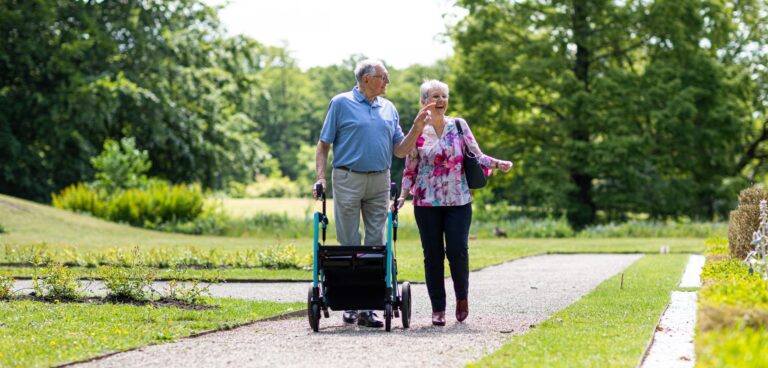
Mediterranean-style diets have strong evidence for stroke reduction, emphasizing vegetables, whole grains, fish, legumes, and olive oil. A caregiver controlling meals has direct influence over diet quality, though introducing dietary change in someone with dementia requires patience and creativity. Someone with swallowing difficulty may need puréed vegetables; someone with taste changes may need more herbs and spices. The goal is not perfection but incremental improvement toward a diet that lowers stroke risk without creating conflict around meals. Physical activity reduces stroke risk through multiple mechanisms: improving blood pressure, reducing weight, improving glucose control, and supporting vascular health. For older adults or those with dementia, “exercise” might mean 20 minutes of walking, gardening, or dancing rather than structured gym workouts.
Caregivers can encourage activity by walking together, making it social and enjoyable rather than a chore. The challenge is maintaining consistency, especially if the care recipient loses motivation due to depression or cognitive decline. Finding activities they enjoy—bird watching, listening to music while moving, visiting a familiar park—makes adherence more sustainable than insisting on formal exercise. Sleep quality is an underappreciated stroke risk factor. Poor sleep and sleep apnea increase stroke risk, and caregivers should ask whether the care recipient snores, stops breathing briefly during sleep, or experiences excessive daytime sleepiness. If sleep apnea is suspected, the provider can order a sleep study and fit for a CPAP device. A caregiver ensuring regular sleep schedules, a cool and dark bedroom, and treatment of sleep apnea is preventing stroke as effectively as managing medications.
When and How to Involve Healthcare Providers in Prevention Planning
Caregivers should schedule an annual visit focused explicitly on stroke prevention, not just general health maintenance. This visit should include discussion of all modifiable risk factors, review of blood pressure goals, consideration of AFib screening (especially in people over 65), and clear medication instructions. A caregiver bringing a written list of questions and current medications to the appointment improves the quality of that conversation and ensures nothing is overlooked.
For people who have had a TIA or prior stroke, secondary prevention becomes even more aggressive: anticoagulation (if AFib is present), dual antiplatelet therapy (aspirin and clopidogrel), intensive blood pressure and cholesterol management, and often referral to a stroke specialist. A caregiver should ask explicitly whether all secondary prevention measures are in place and understand the reasoning if any are not recommended. Red flags for caregivers to escalate: a care recipient who has had a TIA or stroke but is not on any preventive medications; someone on anticoagulation whose bleeding risk is not being monitored; a person with uncontrolled blood pressure despite medication; or sudden changes in cognition that might indicate silent stroke or vascular dementia progression. These warrant a call to the healthcare provider, not a wait-and-see approach.
- —