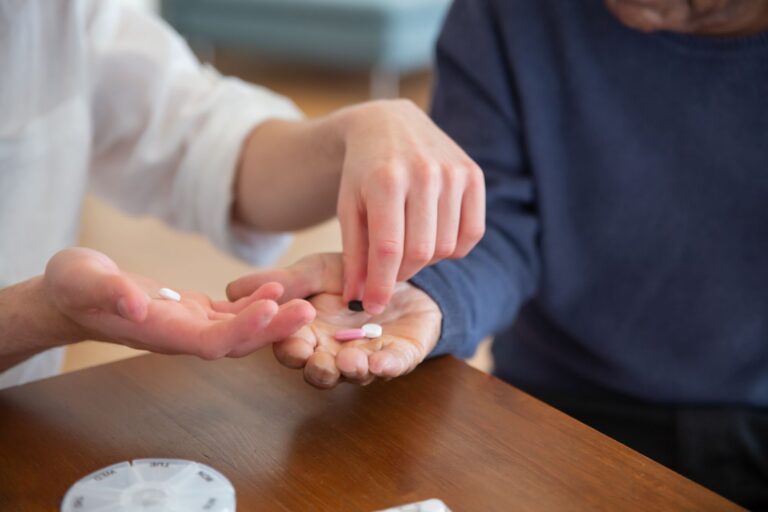
No, memory supplements do not help aphasia-related cognitive decline. Aphasia is a language disorder from damage to brain language areas, most often stroke, that impairs speaking, understanding, reading and writing. About 180,000 Americans acquire aphasia each year and about 2 million live with it. Recovery depends on language rebuilding and medical care, not on memory pills.
Medical information disclaimer: This article is for general educational purposes only and does not provide medical advice, diagnosis, or treatment. Always consult a physician or other qualified health professional about symptoms, medications, tests, or treatment decisions.
Table of Contents
- What aphasia changes
- Why memory supplements fall short
- What improves language after stroke
- Steps that save money and time
What aphasia changes
Aphasia damages access to words and sentences, not only memory. A person may know what to say but cannot find words, follow speech, read, or write clearly. The cause is most often stroke, plus head injury, tumor, and primary progressive aphasia.
According to the National Institute on Deafness and Other Communication Disorders, aphasia has no single cure and affects each language skill differently NIDCD aphasia page. That pattern matters because a product sold for general memory does not retrain speaking or understanding. Families should judge any offer by whether it improves language use in daily life.
Why memory supplements fall short
Large studies have not shown that popular memory ingredients prevent decline or dementia. In the Ginkgo Evaluation of Memory trial, more than 3,000 adults age 75 and older took 240 mg per day of ginkgo biloba, with no prevention of dementia or slowing of decline.
The National Center for Complementary and Integrative Health concludes there is no conclusive evidence that ginkgo, B vitamins, or other dietary supplements prevent cognitive decline, dementia, or Alzheimer's disease NCCIH evidence digest. The Merck Manual review also reports no high-quality studies showing memory benefit from apoaequorin, the jellyfish-derived ingredient in Prevagen. Marketing claims do not replace trial results.
What improves language after stroke
Speech and language therapy is the effective treatment for post-stroke aphasia. American Heart Association and American Stroke Association rehabilitation guidance gives it a Class I, Level A recommendation AHA stroke rehabilitation guideline.
Therapy uses repeated practice in talking, listening, reading, and writing. Sessions often set small goals, such as naming common objects, answering yes-no questions, or following short commands. The same heart association guidance states that drugs tested with therapy showed promise only in small trials, so no medication is recommended routinely.
Steps that save money and time
Unproven products can waste money and delay proven speech therapy and medical care. On Feb.
11, 2019, the Food and Drug Administration posted 12 warning letters plus 5 advisory letters to 17 companies selling 58 supplement products as unapproved drugs for Alzheimer's and other serious diseases FDA enforcement announcement. Families can act quickly and safely with these checks: Keep the focus on daily communication practice, follow-up visits, and hearing and vision checks that support therapy.
- Start speech therapy soon after diagnosis and attend sessions regularly.
- Ask the stroke or neurology team before starting any pill, powder, or drop.
- Bring all supplements to visits and ask about side effects and drug mixing.
- Stop any product that claims to prevent, treat, or cure aphasia or dementia.
You Might Also Like
- The $100 Million PROTECT-Cog Alzheimer’s Study Announced in 2026: Questions People With Mild Cognitive Impairment Can Ask About the Research
- Safety Questions After the 2026 LiBBY Dementia Trial: Questions People With Mild Cognitive Impairment Can Ask About the Research
- LiBBY Trial Findings for Late-Stage Dementia Agitation in 2026: Questions People With Mild Cognitive Impairment Can Ask About the Research