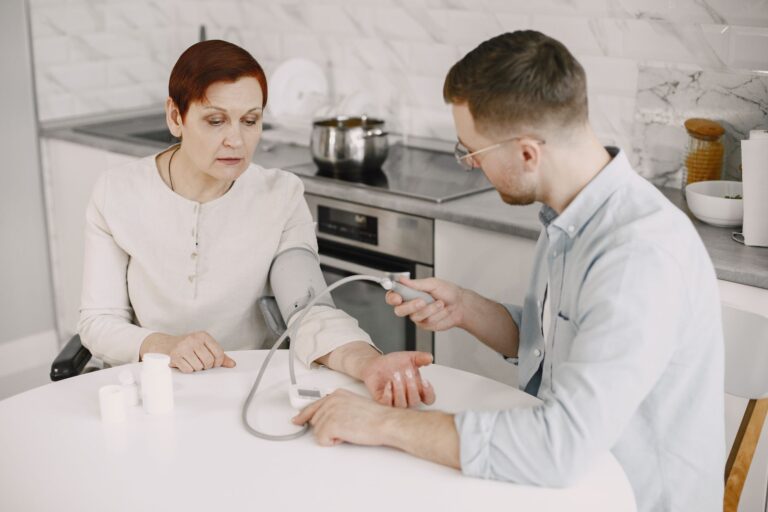
Transitions become profoundly difficult for someone with dementia because the disease disrupts memory, predictability, and emotional regulation. When a person with dementia faces a change—moving to a new home, switching caregivers, or even rearranging furniture—their brain lacks the cognitive scaffolding to understand what’s happening, why it’s happening, or how to adapt. The solution isn’t to prevent all transitions, which is impossible, but to manage them deliberately: prepare the person slowly, maintain as much continuity as possible, and create new routines before abandoning old ones.
A person with moderate dementia being relocated to assisted living might experience weeks of agitation if moved abruptly, but the same move, introduced gradually over a month with repeated visits, familiar objects brought ahead, and a consistent staff member as the primary contact, often proceeds with far less distress. The key difference between a smooth transition and a traumatic one lies in pacing, consistency, and emotional safety—not in hiding the change or pretending everything stays the same. People with dementia still perceive loss and disorientation acutely; they simply cannot reason their way through it. This means the work falls to caregivers: to compress the shock, to anchor the person to what remains constant, and to repeat explanations without frustration as short-term memory fails them repeatedly.
Table of Contents
- Why Transitions Trigger Distress and Confusion in Dementia
- Pre-Transition Preparation and the Limits of Advance Warning
- Maintaining Continuity Through Transitions
- Gradual Transitions and Step-Wise Change
- Behavioral Escalation During Transitions and When to Expect It
- Transitions Involving Caregiver Changes and Relationship Loss
- Environmental Design and Sensory Management During Transitions
- Frequently Asked Questions
Why Transitions Trigger Distress and Confusion in Dementia
dementia progressively damages the brain’s ability to process new information and form new memories. When a transition occurs, a person with dementia may fail to encode that the change happened at all, or encode it only partially—they remember the old home but not why they’re no longer there, or they remember packing boxes but not where they’re going. This gap between reality and recollection creates a persistent, low-level alarm state. Unlike someone without dementia, who can mentally rehearse a move, reassure themselves, and gradually adjust expectations, a person with dementia must reorient to the change every time short-term memory resets, sometimes many times per hour.
The emotional weight of this disorientation is real. Neuroimaging shows that the amygdala—the brain’s threat-detection center—remains functional in dementia longer than memory centers do. This means a person with dementia may feel intensely anxious or afraid without being able to remember why, or remember the reason so imperfectly that logic cannot soothe them. A person moved to a new room might sleep fitfully for weeks, repeatedly waking confused about where they are, even though they’ve been told dozens of times. The repetition doesn’t fix the problem because the original information never solidified into memory.
Pre-Transition Preparation and the Limits of Advance Warning
The most effective preparation starts weeks before the actual transition, with repeated, gentle exposure to what’s changing. For a move to a new home, this might mean visiting the new space multiple times, taking photographs or a video tour that can be watched at home, or introducing new staff members gradually. The goal is not to make the person remember the new place—they may not—but to reduce the shock of the unfamiliar by building a thin layer of familiarity. Some facilities now encourage family members to bring in video tours that can be shown daily in the weeks before arrival, so the space isn’t entirely foreign when the person arrives. However, advance warning has a crucial limitation: for someone with advanced dementia, telling them repeatedly about an upcoming move can create weeks of anticipatory anxiety without providing relief.
They may not retain the information anyway, and the repeated news of “you’re going to a new place” can feel like repeated bad news, creating cumulative distress. For this reason, timing matters enormously. For someone with early-stage dementia, a month of preparation may be ideal. For someone with mid-to-late dementia, introducing the idea too far in advance can backfire; preparation might be better limited to the final week or two, or begun only when the person notices the actual changes (boxes appearing, movers arriving). This isn’t deception—it’s pacing information to match cognitive capacity.
Maintaining Continuity Through Transitions
The most protective factor during any transition is continuity—specific, concrete elements that remain the same. For a move to a new home, this might mean taking the person’s own furniture, photographs, bedding, and clothing. For a shift to a new caregiver, the old caregiver might overlap for a week or two, introducing the new person in the context of a routine the person already knows. For a change in daily schedule, the new routine can be built alongside the old one before fully replacing it, so the person experiences the new tasks as additions before the old ones disappear. Continuity extends to the sensory environment.
Many people with dementia find comfort in specific sounds, smells, or textures. If a person has always listened to a particular radio station during breakfast, keeping that station playing in the new home provides an anchor. If a person has always sat in a specific type of chair, recreating that seating arrangement—even if it means moving furniture that would normally be arranged differently—pays off in reduced confusion. One care home discovered that residents who relocated to new rooms adapted significantly better when the furniture was arranged in the exact same configuration as their previous rooms, even though the new arrangement was awkward for staff workflow. The cognitive ease for residents outweighed the inconvenience to operations.
Gradual Transitions and Step-Wise Change
Rather than a single, abrupt transition, breaking change into smaller steps gives the person multiple opportunities to adjust incrementally. A person moving to a new home might spend the first week there during the day only, returning to the old home to sleep, then gradually extending the overnight stays. A person starting to use a new medication might have it introduced slowly alongside the old routine rather than as a sudden replacement. A person adjusting to a walker or other mobility aid might practice with it in a familiar environment repeatedly before relying on it in unfamiliar settings. Step-wise transitions also allow caregivers to identify what specific aspects of the change are causing the most distress.
Someone might adapt well to a new bedroom but become deeply agitated by a new bathroom layout. Knowing this allows for targeted continuity—keeping the old bathroom routine while transitioning the bedroom, or vice versa. The comparison to other, non-dementia populations is instructive: most people can handle one major life change at a time. Someone with dementia needs the total number of changes reduced even further. If a person must move to a new home and start a new medication, staggering these over six weeks rather than implementing both simultaneously may prevent behavioral crisis.
Behavioral Escalation During Transitions and When to Expect It
Many people with dementia experience increased behavioral symptoms—agitation, aggression, repeated questioning, sundowning, sleep disruption—during and after transitions. This is not willful resistance; it’s a neurological response to disorientation and stress. Family members and staff sometimes misinterpret these behaviors as signs that the transition was a mistake or that the person should be moved back to the old situation, but often the behaviors peak two to three weeks in and then gradually decline as the new situation becomes neurologically “familiar” through repetition. Importantly, medication changes during a transition are dangerous. Adding a sedative to calm transition-related agitation can mask necessary adjustment and create additional confusion or side effects.
The more effective approach is to manage the environment: reducing sensory overstimulation, providing more frequent reassurance, maintaining familiar routines as much as possible, and waiting. However, if a person’s distress becomes so severe that they are at risk of harming themselves or others, or if medical conditions are being exacerbated, that is a genuine safety issue requiring professional assessment. The distinction is between normal transition distress and crisis-level behavioral or medical change. A person who is agitated but eating, sleeping intermittently, and not injuring themselves is likely experiencing manageable adjustment difficulty. A person who stops eating, becomes acutely incontinent when previously continent, or becomes violent warrants urgent medical evaluation to rule out infection, pain, or delirium.
Transitions Involving Caregiver Changes and Relationship Loss
Moving from a family member or long-term paid caregiver to a new person is one of the most emotionally charged transitions in dementia care. The relationship may have been the person’s primary emotional anchor, and the loss is real, even if the person cannot fully remember the previous caregiver once they’re gone. Best practice involves introducing new caregivers before the transition becomes necessary, if possible. A family member who knows they will eventually need to transition their relative to professional care can introduce an aide weeks or months in advance, so the aide becomes a familiar figure before becoming the primary contact.
For transitions away from a family member, the departing person’s continued presence in the environment, through visits, telephone calls, or recorded messages, can reduce the shock of absence. Some families have found success with recorded videos of a family member, played regularly, which provides continuity of connection. This is not a substitute for actual visits, but it can bridge periods when visits aren’t possible. The key limitation is that the person may not remember the recording between plays; each viewing can feel like meeting the person again for the first time. Emotionally, this isn’t ideal, but neurologically, it provides a degree of continuity that complete absence does not.
Environmental Design and Sensory Management During Transitions
The physical environment shapes how easily a person with dementia adapts to change. High-noise environments, harsh lighting, and cluttered spaces increase disorientation and agitation during transitions. Quieter settings, natural light, and familiar objects reduce stress. Some care facilities have redesigned transition spaces specifically to ease adjustment: a room in the new environment that is decorated with photographs from the person’s previous home, that plays familiar music, and that replicates the layout of key spaces from before. The person isn’t living in this space; it’s a bridge—a place they spend time during early adjustment before gradually moving into the broader new environment.
Lighting quality matters more than most people realize. Dementia often brings visual processing changes—older adults with dementia have higher glare sensitivity and need more light to see clearly, but also become more agitated under fluorescent lighting. Transitioning someone to a new home with poor lighting design can worsen disorientation. Cost-effective solutions include installing dimmers, replacing harsh overhead lights with softer ambient lighting, and using warm-toned bulbs rather than cool white. A person who becomes calmer under warmer lighting hasn’t merely developed a preference; their nervous system is responding to the sensory environment. Making these environmental adjustments during a transition may matter more than medication adjustments.
- —
Frequently Asked Questions
Should I tell someone with dementia about an upcoming move or change before it happens?
It depends on the dementia stage. Early dementia: yes, prepare them weeks in advance. Mid-to-late dementia: too much advance notice can create weeks of anxiety. Begin preparation one to two weeks before, or only when they notice the changes themselves.
My relative became very agitated after moving to assisted living. Does this mean it was a mistake?
Not necessarily. Behavioral escalation is common two to three weeks post-transition and often improves as the new environment becomes familiar through repetition. Acute distress is normal; crisis-level symptoms (refusing food, acute incontinence changes, violence) warrant medical evaluation to rule out infection or pain.
How important is it to bring familiar objects to a new home?
Very important. Furniture, photographs, bedding, and personal items reduce disorientation and provide cognitive anchors. A person may not remember their own home, but the sensory familiarity of their own chair or bedding creates comfort and security.
What’s the best way to introduce a new caregiver?
Begin several weeks before the transition if possible. Have the new caregiver present during existing routines so they become familiar in a context the person already knows. Continue overlap for a week or two after the formal transition if feasible.
Is medication the right response to transition-related agitation?
Usually not as a first response. Medication can mask necessary adjustment and create additional side effects. Environmental management—reducing stimulation, maintaining routines, providing reassurance—is more effective. Medication is appropriate only if agitation escalates to safety crisis.
How long does it typically take for someone with dementia to adjust to a major transition?
Two to six weeks is typical for behavioral and emotional adjustment. The person may not form new memories of the change, but their nervous system gradually habituates to the new environment through repetition and routine. —