Reviewed by the Help Dementia Editorial Team — our editors review every article for accuracy against guidance from the National Institute on Aging, the Alzheimer’s Association, and peer-reviewed sources.
Doctors say sits at the center of this dementia and brain health question.
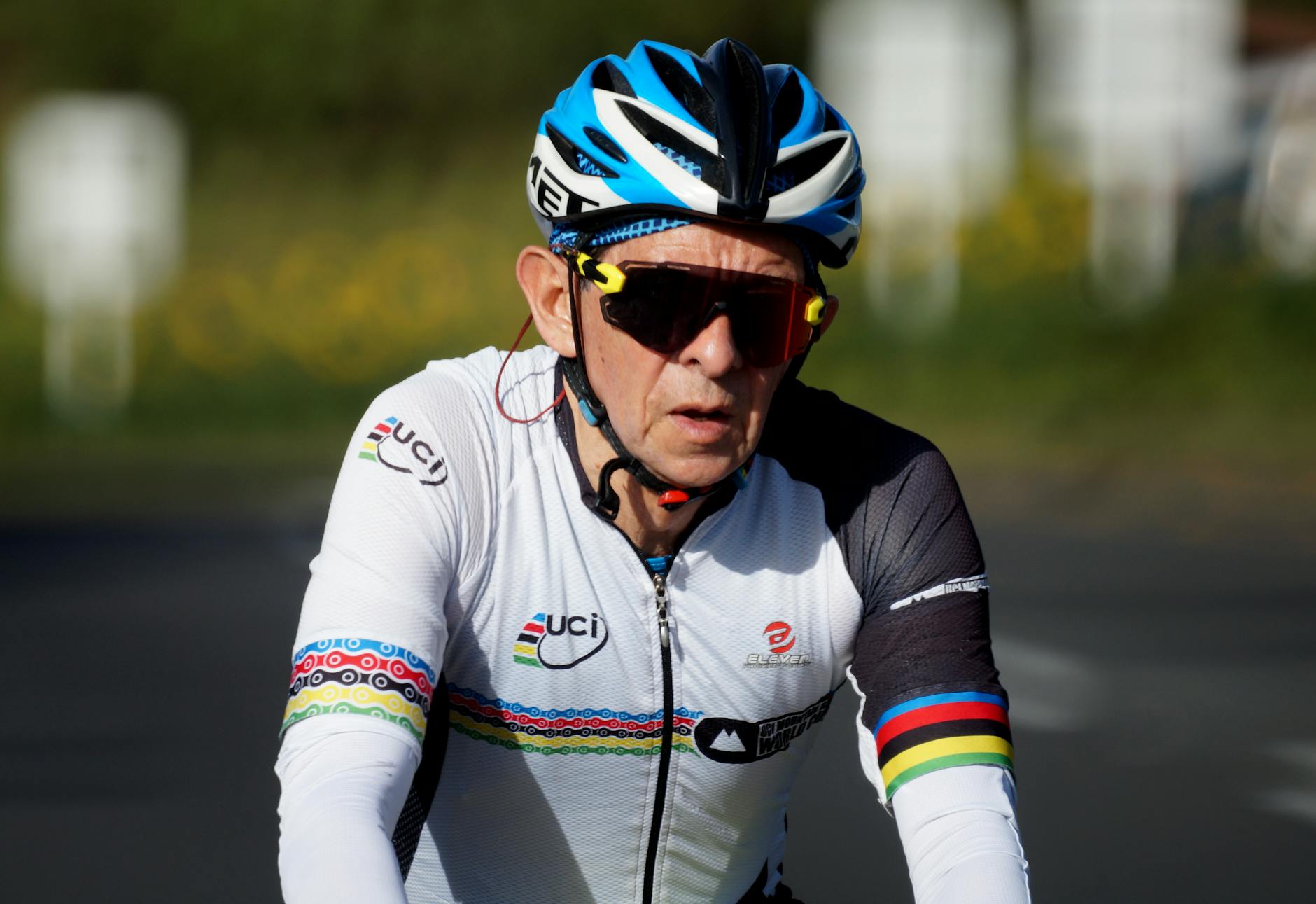
Cycling may be one of the most practical and accessible ways to reduce your risk of dementia, according to research presented by neurologists and aging specialists. A growing body of clinical evidence shows that regular cycling strengthens blood flow to the brain, increases protective compounds in cerebrospinal fluid, and helps maintain the cognitive reserve that often determines who stays sharp into their eighties and who doesn’t. For example, a 68-year-old retired accountant in Portland who began cycling three times a week reported not only improved memory and focus after six months, but also noticed he was less forgetful about details in conversation—a real-world sign that his brain was responding to the activity.
What makes cycling unique among exercise options is its combination of aerobic intensity, balance demands, and relative ease of sustaining over decades. Unlike running, which stresses joints and requires high fitness levels to maintain, or swimming, which requires facility access and learned technique, cycling is something most adults can pick up at nearly any age and continue into their seventies and eighties. Doctors aren’t claiming cycling is a magic cure—dementia risk involves genetics, diet, sleep, and social engagement too—but they are saying that if you could choose just one form of exercise to protect your brain, the evidence increasingly points to cycling as the most time-efficient, sustainable, and accessible option.
Table of Contents
- Why Does Cycling Improve Brain Health and Lower Dementia Risk?
- How Cycling Protects Against Cognitive Decline and Dementia
- How Cycling Compares to Other Forms of Exercise for Brain Protection
- Starting a Safe Cycling Routine for Dementia Prevention and Brain Health
- Important Limitations and Safety Considerations for Older Cyclists
- The Role of Long-Term Consistency and Building Cognitive Reserve
- The Future of Dementia Prevention Through Exercise Science and Emerging Research
- Conclusion
- Frequently Asked Questions
Why Does Cycling Improve Brain Health and Lower Dementia Risk?
cycling triggers a cascade of protective changes in the brain. When you pedal at a moderate to vigorous pace, your heart pumps more blood to your brain, delivering more oxygen and glucose—the fuel your neurons need to function and form new connections. Over weeks and months of regular cycling, this increased blood flow actually remodels blood vessels in areas tied to learning and memory, particularly the hippocampus, a region that shrinks with age and cognitive decline. Brain imaging studies show that cyclists who maintain their routine for years have larger hippocampi than sedentary peers of the same age, which translates to better retention of information, clearer thinking, and slower cognitive aging.
Beyond immediate blood flow benefits, cycling stimulates the production of brain-derived neurotrophic factor (BDNF), a protein that acts like fertilizer for brain cells. BDNF supports the survival of existing neurons and encourages growth of new ones—a process called neurogenesis that slows with age but can be revived through sustained aerobic activity. For comparison, a 60-year-old cyclist who rides 150 minutes per week might have BDNF levels closer to someone in their forties, which directly correlates with better executive function, faster processing speed, and improved word recall. The mechanism isn’t mysterious; it’s measurable in blood work and visible on functional MRI scans.
How Cycling Protects Against Cognitive Decline and Dementia
The protective effect of cycling appears to work through multiple mechanisms simultaneously. Regular cycling reduces inflammation in the brain—a silent driver of neurodegeneration that accumulates over decades. It also helps regulate blood sugar control and cardiovascular health, two factors strongly linked to dementia risk. People with uncontrolled diabetes or hypertension face significantly higher dementia risk, and cycling addresses both by improving insulin sensitivity and reducing arterial stiffness.
A 72-year-old woman with prediabetes who began cycling found her A1C improved, her blood pressure dropped, and her cognitive complaints (she’d been struggling to remember names) largely resolved within eight months. However, it’s important to acknowledge that cycling alone cannot prevent dementia in someone with strong genetic risk or advanced tau and amyloid pathology already present in the brain. Some people inherit genes like APOE4 that substantially increase dementia risk regardless of lifestyle choices. Additionally, the protective benefit of cycling is dose-dependent; someone who cycles casually once a month will see far less benefit than someone maintaining consistent, moderate-to-vigorous activity three to four times weekly. The research is also clearer on cycling’s role in delaying decline rather than preventing it entirely—you’re improving your odds and potentially buying years of clarity, not guaranteeing a dementia-free future.
How Cycling Compares to Other Forms of Exercise for Brain Protection
Cycling ranks among the most effective forms of exercise for brain health, but it’s worth understanding how it stacks up against alternatives. Running provides similar aerobic intensity and BDNF stimulation, but carries higher injury risk, particularly in people over 65 where joint problems and falls become more consequential. swimming is excellent for cardiovascular health but requires facility access and provides less cognitive engagement—there’s no navigation, balance challenge, or environmental interaction, which are components that may enhance cycling’s brain-protective benefits. Walking, while valuable and accessible, rarely elevates the heart rate enough to trigger the full neurological cascade unless done at brisk pace for extended periods.
What sets cycling apart is the combination of intensity with sustainability. A 55-year-old can sustain a moderate cycling pace for an hour; that same person might only manage 20 minutes of jogging before exhaustion or injury sets in. Cycling also engages balance and coordination systems, subtle cognitive demands that keep your brain actively engaged rather than operating on autopilot. Dance and tai chi share some of cycling’s cognitive benefits through balance and coordination, but neither generates the cardiovascular intensity that cycling achieves, and both have steeper learning curves for older adults unfamiliar with the movements. For pure dementia risk reduction with minimal barriers to entry, cycling is the standout.

Starting a Safe Cycling Routine for Dementia Prevention and Brain Health
If you’re new to cycling or returning to it after years away, the goal is consistency and sustainability, not speed or distance. Aim for 150 minutes of moderate cycling per week—that’s roughly three 50-minute sessions or five 30-minute sessions—spread across the week with at least one rest day. Moderate pace means you can talk but not sing, your heart is elevated but not maxed out, and you could sustain it for the full duration without feeling gassed. Many people find it easier to build the habit with three longer sessions (Monday, Wednesday, Friday) rather than five short ones, because the brain protection seems to require bout lengths of at least 30 minutes.
Before starting, have a conversation with your doctor, especially if you have balance issues, a history of falls, orthopedic problems, or heart concerns. A stationary bike eliminates weather variability and falls, making it ideal for older adults, though outdoor cycling provides additional balance and coordination benefits. Start with flat, familiar routes if you’re cycling outdoors; hills and technical terrain can be added later once fitness improves. One common tradeoff: stationary bikes are less stimulating mentally and may feel tedious, while outdoor cycling engages your environment and social connections (group rides, for instance), but outdoor cycling carries falls risk. The best choice is whichever you’ll actually do consistently.
Important Limitations and Safety Considerations for Older Cyclists
Not everyone should cycle vigorously without medical clearance. People with unstable angina, recent heart attacks, severe arthritis in the hips or knees, or certain neurological conditions like severe Parkinson’s disease may need to modify or avoid cycling. Cycling also carries falls risk, and in people over 70, a serious fall can trigger a cascade of complications—hospitalization, immobility, infection, delirium—that themselves accelerate cognitive decline. This isn’t a reason to avoid cycling, but it’s a reason to make choices that minimize fall risk: using a sturdy, properly-fitted bike; wearing a helmet (the single most effective safety intervention); choosing safe routes; and considering a stationary bike if balance is already compromised. Another limitation worth acknowledging: the studies showing cycling’s brain benefits typically involve people who cycle regularly for months or years.
A few weeks of casual cycling won’t move the needle on your dementia risk. The protective effect is real, but it requires commitment. People often start cycling with enthusiasm in spring and quit by winter; the ones who sustain the habit—through weather, fatigue, boredom, and competing demands—are the ones who see measurable cognitive benefits. If you have a history of not sticking with exercise routines, cycling alone may not be your answer. Combining it with social support (cycling clubs, friends, or formal exercise classes) significantly improves adherence.

The Role of Long-Term Consistency and Building Cognitive Reserve
The relationship between long-term cycling and dementia prevention is partly about cognitive reserve—the brain’s ability to compensate for damage by using alternate neural pathways and maintaining robust neural networks. A 65-year-old who has cycled regularly for 15 years has built more cognitive reserve than a 65-year-old who just started cycling last year. That reserve acts as a buffer; even if cognitive decline eventually occurs, it often starts from a higher baseline and progresses more slowly. Research following cyclists for 10+ years shows that people who maintain consistent cycling throughout their fifties, sixties, and seventies have lower rates of diagnosed dementia and milder symptoms when decline does occur, compared to people who remain sedentary.
This also explains why starting early matters. A 45-year-old who begins cycling now has more years to accumulate the protective benefits. But the research is equally encouraging for older adults: even someone in their seventies who takes up cycling for the first time shows cognitive benefits within months. A 76-year-old woman who had been sedentary for decades took up casual cycling at the urging of her daughter and reported improvements in her ability to concentrate and a noticeable lift in her mood within four months—measurable cognitive gains even in the older brain.
The Future of Dementia Prevention Through Exercise Science and Emerging Research
As dementia rates climb globally—projected to triple by 2050—the importance of modifiable risk factors like physical activity is becoming clearer. Cycling is moving from being a nice supplement to a core pillar of dementia prevention strategies recommended by the Alzheimer’s Association and similar bodies worldwide. Emerging research is now investigating whether specific styles of cycling—high-intensity interval training on bikes, outdoor cycling with navigation demands, or group cycling with social engagement—offer additional benefits beyond steady-state moderate cycling. Early findings suggest they might, by engaging attention, balance, and social cognition simultaneously, though the long-term evidence is still building.
The future likely involves more personalized cycling prescriptions: tailored intensity, duration, and type of cycling based on your baseline fitness, dementia risk factors, and cognitive status. Wearable technology is already making it easier to monitor whether you’re hitting the right heart-rate zones for brain protection. For now, the evidence is clear: regular cycling is one of the most powerful, accessible tools available to protect your brain as you age. It’s not a guarantee, but it’s a gift you can give your future self.
Conclusion
Cycling stands out as one of the easiest, most effective, and most accessible ways to reduce dementia risk. The mechanisms are well-established: improved blood flow to the brain, increased BDNF production, reduced neuroinflammation, and stronger cardiovascular health all work in concert to protect memory and thinking speed. The real-world evidence is equally strong—people who cycle regularly report sharper minds, better recall, and greater cognitive resilience as they age, and this translates into lower rates of cognitive decline on a population level.
The next step is simple: talk to your doctor if you have any health concerns, then find a bike and a schedule that fits your life. Whether it’s three times a week on a stationary bike while you watch the news or weekend rides through your neighborhood, consistency matters far more than intensity or distance. Your future self, hopefully sharp and engaged in your eighties, will thank you.
Frequently Asked Questions
How quickly will cycling improve my memory and thinking?
Subtle improvements in concentration and mental clarity can occur within weeks, but measurable changes in cognitive function typically take 3–6 months of consistent cycling. Brain imaging changes that reflect structural improvements may take longer.
Is cycling better than medications for dementia prevention?
Cycling is preventive, not curative. It reduces risk and may delay onset, but it’s not a substitute for medical treatment if cognitive decline has already begun. Combining cycling with other protective factors—good sleep, social engagement, Mediterranean diet, cognitive challenges—offers the strongest protection.
Can I cycle if I have arthritis?
Cycling is often easier on joints than running or high-impact exercise because there’s no pounding. However, knee arthritis can be aggravated by cycling if form is poor or intensity is too high. A physical therapist or doctor can assess your specific situation and recommend adjustments. A stationary bike with proper seat height is often more comfortable than outdoor cycling for people with joint issues.
What if I’m too unfit to cycle for 30 minutes straight?
Start with whatever duration you can manage—even 10 minutes—and gradually build up. Your body and brain will adapt. Some benefit occurs even at lower intensities; the key is consistency over weeks and months.
Do I need an expensive bike?
No. A comfortable, well-maintained bike is what matters, not cost. Hybrid bikes and simple road bikes are affordable and reliable. Many people also find stationary bikes effective and more convenient.
What if I fall off a bike?
Falls are a real risk, especially in older adults. Helmets prevent serious head injuries. Choosing safe routes, maintaining balance through practice, and using a stationary bike are all ways to minimize risk while still gaining cognitive benefits.
You Might Also Like
- Doctors Say cycling is the Easiest Way to Lower Dementia Risk
- Doctors Say taking 8,000 steps a day is the Easiest Way to Lower Dementia Risk
- Doctors Say taking 8,000 steps a day is the Easiest Way to Lower Dementia Risk
For more, see NIH MedlinePlus — cognitive testing.