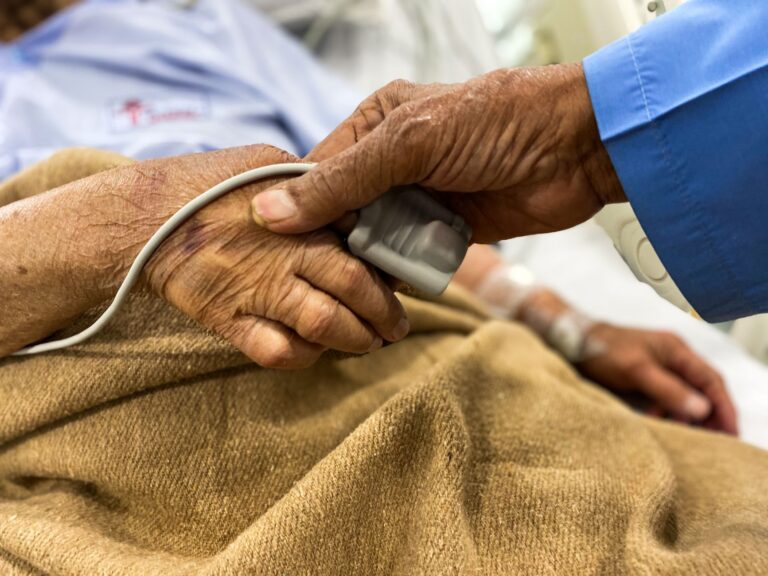
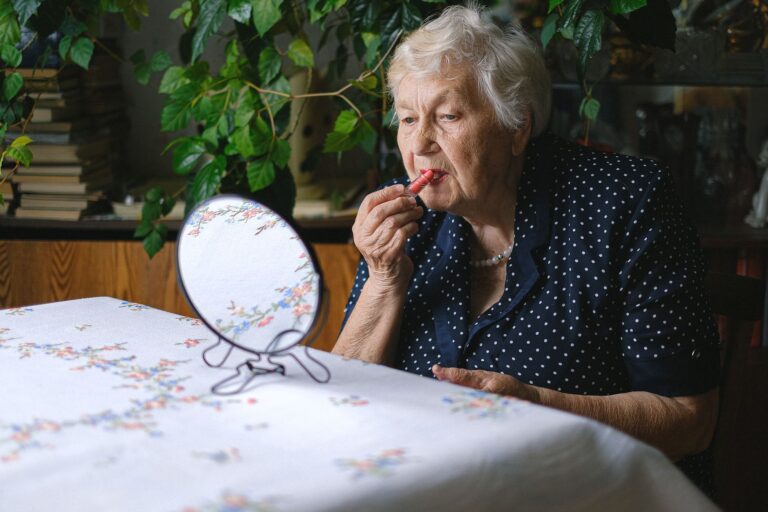
Caregiving shifts from reminders and planning help in early dementia to 24-hour supervision in the middle stage to full personal and comfort care late. Alzheimer's disease, the most common cause of dementia, usually moves slowly through early, middle and late stages with growing disability and care needs, according to the Alzheimer's Association stages overview.
Early help centers on the person. Late help centers on safety, body care, eating, and comfort. Knowing that shift helps families arrange support before a crisis.
Medical information disclaimer: This article is for general educational purposes only and does not provide medical advice, diagnosis, or treatment. Always consult a physician or other qualified health professional about symptoms, medications, tests, or treatment decisions.
Table of Contents
- What does early-stage help look like?
- Why does the middle stage need constant supervision?
- What changes in late-stage personal care?
- When should feeding and medical goals change?
- Why do stages overlap?
What does early-stage help look like?
Early-stage dementia still allows independent living, work, driving, and social life for many people. Memory lapses appear as forgotten words, missed appointments, lost items, or trouble planning, according to the Alzheimer's Association early-stage symptom guide.
Caregivers mainly offer emotional support, reminders, and help with bills and appointments. This is the best time to complete legal, financial, and end-of-life plans while the person can still take part.
Why does the middle stage need constant supervision?
The middle stage is often the longest. Confusion about time and place grows, familiar faces may seem strange, and dressing, bathing, and toileting need hands-on help.
Safety becomes a daily task. Wandering, getting lost, poor sleep, and late-afternoon restlessness called sundowning are common.
- Keep days steady with set meals, baths, and bedtime
- Use calm light, low noise, and clear paths to the bathroom
- Lock stoves, doors, cleaners, and medicines
- Add bells, nightlights, and a safe locked outdoor space
What changes in late-stage personal care?
Late-stage dementia needs full-time help with personal care. People have trouble eating and swallowing, need help walking, and may stop walking.
Infection risk rises, especially pneumonia, according to the Alzheimer's Association stages overview. Care means gentle bathing, mouth care, skin checks, turning in bed, and watching for pain, fever, cough, or refusal to eat. Small portions, flexible meal times, and comfort-focused oral feeding fit this stage better than forced meals.
When should feeding and medical goals change?
For advanced dementia, the MSD Manual recommends comfort-focused feeding, small portions, flexible schedules, and good oral hygiene. Artificial nutrition has not reliably improved survival, function, or quality of life and may add burden.
Ask the care team about swallowing review, weight loss, repeat infections, and comfort goals. Shift toward palliative and hospice support when eating keeps declining and infections return.
Why do stages overlap?
Progression varies by person and stages can overlap. Brain changes may start a decade before clear symptoms, according to the National Institute on Aging Alzheimer's FAQ.
Reassess care at each change in memory, behavior, walking, eating, or safety. Update the care plan, home setup, and support team before needs outgrow them.