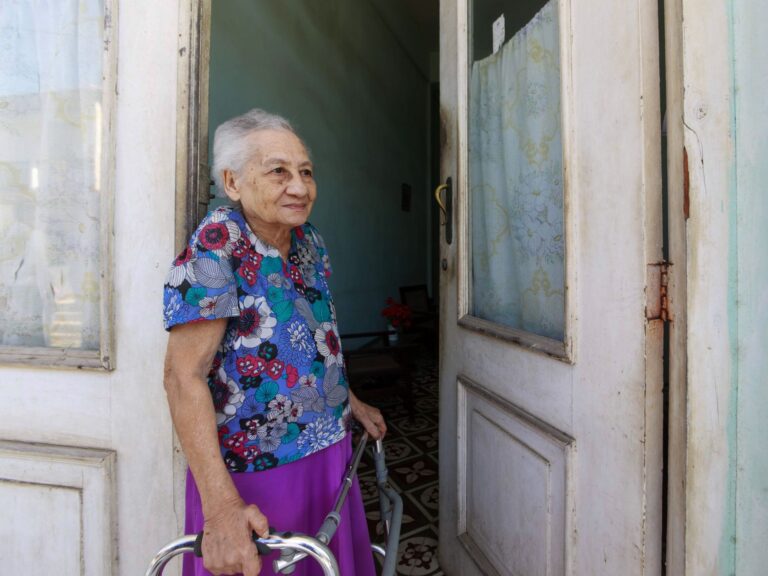
Chronic loneliness raises dementia risk, so caregivers should treat lasting loneliness as a health issue. Chronic loneliness means feeling disconnected or unseen for months or years, even when other people are around. Brief spells of loneliness are common after a move, loss, or illness. Risk climbs when that feeling stays week after week with little relief.
Medical information disclaimer: This article is for general educational purposes only and does not provide medical advice, diagnosis, or treatment. Always consult a physician or other qualified health professional about symptoms, medications, tests, or treatment decisions.
Table of Contents
- How strong is the link?
- Why does lasting loneliness matter more?
- Is loneliness the same as isolation?
- What can caregivers do each week?
- When should withdrawal prompt a closer look?
How strong is the link?
Researchers pooled 21 long-term samples with 608,561 people. Loneliness raised risk of all-cause dementia by 31%, Alzheimer's by 39%, and vascular dementia by 74%, according to the Nature Mental Health meta-analysis.
The link shrinks but does not disappear after other risks are counted. The Understanding Aging research review reports the pooled risk falls from about 31% to about 19% after accounting for depression, social isolation, and other factors.
Why does lasting loneliness matter more?
A 2026 longitudinal population study followed 1,540 older adults for 20 years. Chronic loneliness raised dementia risk by 38% compared with never-lonely peers, with dementia in 49.1% versus 33.1%.
Norway's HUNT cohort tracked 9,389 adults from 1984 to 2008 and checked dementia after age 70. Persistent loneliness raised dementia odds by 47%, while brief midlife loneliness did not, reported by Science Norway on the HUNT study.
Is loneliness the same as isolation?
Loneliness is the felt lack of connection. Isolation is the measured lack of contact, calls, visits, and group ties.
In 462,619 UK Biobank participants, isolation still predicted dementia after full adjustment, while loneliness did not. The Understanding Aging review of that data links about 75% of the loneliness effect to depressive symptoms, so low mood deserves care alongside low contact.
What can caregivers do each week?
Social isolation is one of 14 changeable dementia risk factors that together account for roughly 45% of cases worldwide, according to the Alzheimer Europe summary of the 2024 Lancet Commission. Steady contact works better than single big outings. Caregivers can build a small weekly rhythm around the person's hearing, energy, and transport.
- Set two fixed contacts, such as a Sunday call and a Wednesday walk.
- Add one shared activity, such as cooking, gardening, music, or a faith group.
- Fix frictions fast: hearing checks, ride help, simpler phone setup, and daytime plans.
When should withdrawal prompt a closer look?
About 42.7% of people already living with dementia feel lonely, pooled from four European studies in a 2025 BJPsych Open review. So withdrawal can be both a risk signal and an early symptom.
Watch for dropped calls, refused visits, shorter answers, lost interest in meals or hobbies, and new sadness or sleep change. Book a primary-care or memory-clinic visit if withdrawal lasts weeks, worsens quickly, or comes with confusion, mood change, or daily-task trouble.