Yes, Parkinson's disease dementia shortens life, though it seldom causes death directly. Survival depends mainly on age, overall health, motor severity, psychosis, and complications such as pneumonia and falls.
Parkinson's disease dementia means lasting cognitive decline that interferes with daily life, diagnosed at least one year after Parkinson's motor symptoms begin. The Parkinson's Foundation describes this one-year gap as the key line dividing it from dementia with Lewy bodies in its Parkinson's Foundation overview. It is common over time and progressive, with no cure.
Medical information disclaimer: This article is for general educational purposes only and does not provide medical advice, diagnosis, or treatment. Always consult a physician or other qualified health professional about symptoms, medications, tests, or treatment decisions.
Table of Contents
- Who develops it, and when?
- How much does dementia change survival?
- What actually causes death?
- What can families do after diagnosis?
Who develops it, and when?
About 50% to 80% of people with Parkinson's eventually develop dementia during the full illness course. Risk rises with longer disease duration, reaching 60% to 80% after 15 or more years. The figures come from an Alzheimer's Association fact sheet shared through a Parkinson's Foundation blog. Onset usually comes many years after tremor, stiffness, or slow movement.
Families often notice slower thinking, trouble multitasking, visual misperceptions, or acting out dreams first. Early changes deserve prompt medical review because some mimics are reversible. That early report matters for safety planning. Thinking changes can affect medication use, finances, and driving before movement worsens. Supervision needs grow as judgment and attention decline.
How much does dementia change survival?
Dementia raises the likelihood of death by about 72%. In a large U.S. Parkinson's cohort reported by Willis and colleagues, only 28.1% of patients with dementia survived six years, compared with 53.9% without dementia, according to the NIH archive of the Archives of Neurology study. A UK community cohort found a similar pattern.
Patients with dementia had triple the expected mortality, while patients without dementia had near-normal mortality, according to Ishihara and colleagues in the Journal of Neurology, Neurosurgery and Psychiatry report. Among younger-onset patients, those with dementia lived 7.5 years on average versus 12.4 years without dementia. A Norwegian population study found median survival of 15.8 years from motor onset. Dementia nearly doubled mortality risk there, alongside older age, male sex, worse motor scores, and psychosis. These are group averages, not personal forecasts.
What actually causes death?
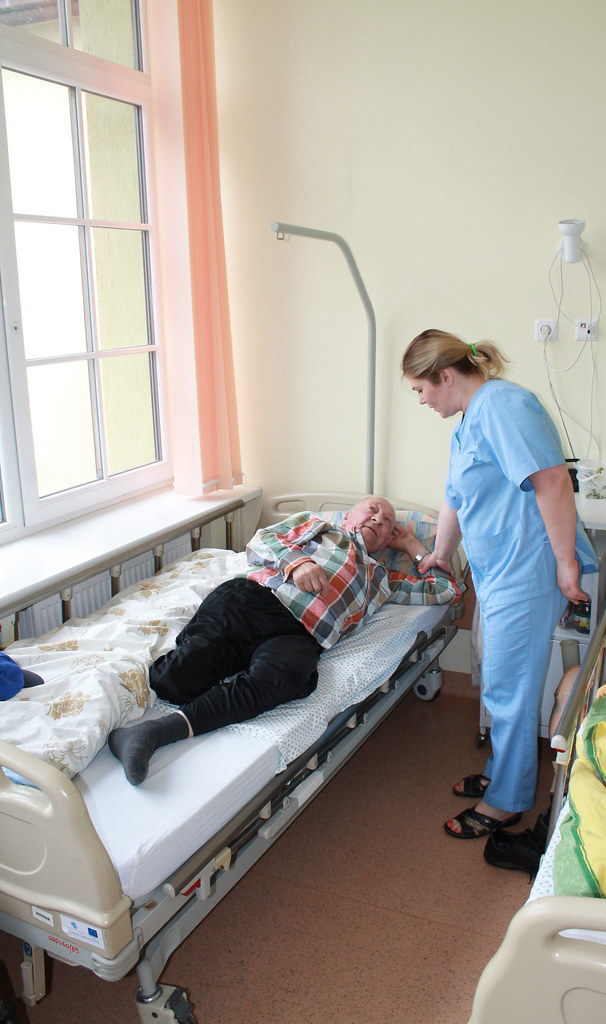
Advanced disease usually kills through complications, not dementia itself. UK parliamentary evidence on end-of-life care points to aspiration pneumonia from swallowing problems as the leading complication. Falls, immobility, infections, frailty, and poor nutrition add further risk. Swallowing trouble lets food or saliva enter the lungs.
Weak cough, rigid chest muscles, and reduced mobility make clearing infection harder. Repeated chest infections then weaken strength and thinking. Falls bring fractures, head injury, hospitalization, and long bed rest. Bed rest invites pressure sores, blood clots, urinary infection, and muscle loss. Each setback can lower the baseline for both body and brain.
What can families do after diagnosis?
No current drug stops or reverses Parkinson's dementia. Cleveland Clinic notes that medications and therapies may improve some cognitive or behavioral symptoms, but decline continues. Care therefore centers on preventing complications and preserving function.
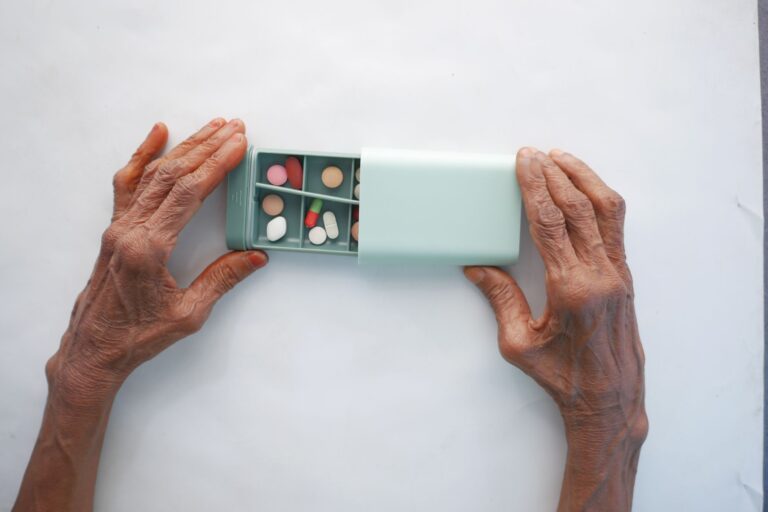
Ask the care team for these checks: Report new confusion, hallucinations, sleep change, or sudden decline quickly. Infections, dehydration, constipation, and medication effects can worsen thinking. The Alzheimer's Association cautions that survival varies widely with dementia cause, age, and coexisting illness, so use averages for planning rather than prediction.
- swallowing review and diet changes when coughing, choking, or weight loss appears
- fall review, home hazards check, exercise, vision, and footwear plan
- medication, finance, and driving supervision as judgment declines
- caregiver support, respite, and future-care planning