Reviewed by the Help Dementia Editorial Team — our editors review every article for accuracy against guidance from the National Institute on Aging, the Alzheimer’s Association, and peer-reviewed sources.
Dementia researchers sits at the center of this dementia and brain health question.
Despite alarming headlines suggesting dementia researchers warn against pistachios, no credible scientific evidence supports this claim. In fact, peer-reviewed research demonstrates the opposite: pistachio consumption is associated with cognitive benefits and lower dementia risk. A comprehensive UK Biobank study found that regular nut consumption, including pistachios, is linked to reduced all-cause dementia in adults. This false claim appears to be circulating online without scientific backing, potentially causing people to unnecessarily avoid a brain-healthy snack.
For those concerned about cognitive decline, the evidence actually recommends nuts, including pistachios, as part of a dementia prevention strategy. The confusion may stem from misleading health headlines that misrepresent or exaggerate preliminary findings. Misinformation about nutrition spreads rapidly online, and people often share alarming claims without verifying them against actual research. Understanding the difference between sensationalized headlines and peer-reviewed science is essential when making dietary decisions for brain health.
Table of Contents
- Do Dementia Researchers Actually Warn Against Eating Pistachios?
- What Peer-Reviewed Research Actually Shows About Nuts and Brain Health
- Specific Benefits of Pistachio Consumption for Cognitive Function
- How Nuts Fit Into Evidence-Based Dementia Prevention Strategies
- Why False Claims About Pistachios Circulate and How to Identify Misinformation
- Nutritional Components in Pistachios That Support Brain Health
- Future Research and the Evolving Understanding of Nuts in Brain Health
- Conclusion
Do Dementia Researchers Actually Warn Against Eating Pistachios?
No major dementia research organization or peer-reviewed study warns against pistachio consumption. The claim contradicts multiple large-scale studies showing cognitive benefits from regular nut intake. If you’ve encountered this warning online, it likely originated from a misinterpreted article, unreliable health blog, or social media misinformation rather than legitimate neuroscience research.
Credible sources—including the American Society for Nutrition and major medical institutions—recommend nuts as part of brain-protective diets. When evaluating health claims, ask: Was this published in a peer-reviewed journal? Does it cite specific research? Is it from a recognized medical institution? The pistachio warning fails all these tests. In contrast, the research supporting nut consumption appears in reputable journals like the American Journal of Clinical Nutrition and is presented at major medical conferences. For anyone concerned about dementia prevention, dismissing pistachios based on this false claim would mean missing out on documented cognitive benefits.

What Peer-Reviewed Research Actually Shows About Nuts and Brain Health
The evidence supporting nut consumption for dementia prevention is substantial and growing. A landmark UK Biobank study examined thousands of adults and found that nut consumption was significantly associated with lower risk of all-cause dementia. Cross-sectional research specifically on pistachio consumption demonstrates positive associations with neurocognitive markers in adults, meaning those who ate pistachios regularly performed better on cognitive assessments. These findings align with decades of nutritional neuroscience showing that the compounds in nuts—particularly polyphenols, vitamin E, and healthy fats—support brain structure and function.
One notable clinical study found that older adults consuming two handfuls of mixed nuts daily (including pistachios) over a 16-week period showed significant improvements in memory and increased blood flow to the brain. This is not a theoretical benefit; researchers measured actual cognitive improvements using standardized tests. The limitation of many nut studies is that they are observational, meaning they show associations rather than proving nuts cause the benefit. However, the biological mechanisms are well-understood: the nutrients in nuts reduce inflammation, support neuroplasticity, and improve vascular health—all protective factors against cognitive decline.
Specific Benefits of Pistachio Consumption for Cognitive Function
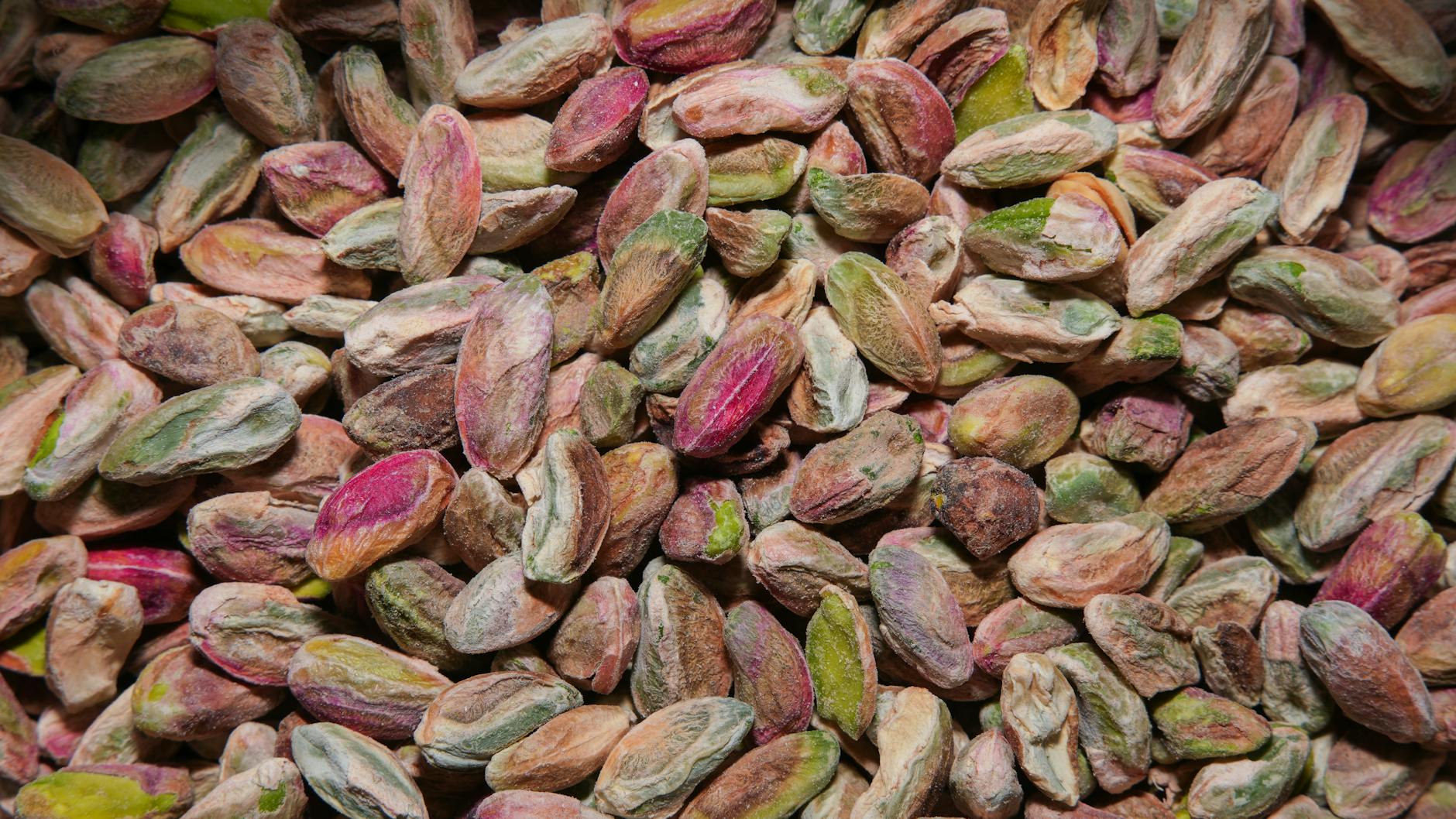
Pistachios stand out among nuts for their impressive nutrient profile. They’re exceptionally rich in vitamin E, a powerful antioxidant that protects brain cells from oxidative stress—a major contributor to neurodegeneration. They also contain B vitamins (particularly B6), healthy monounsaturated fats, magnesium, potassium, and calcium, all supporting various aspects of cognitive function. Magnesium alone is critical for neuronal health and has been directly linked to better cognitive outcomes in older adults.
The polyphenol content in pistachios provides additional anti-inflammatory benefits. Research on pistachio-specific consumption shows associations with improved attention, memory, and processing speed in adults. One study examining the relationship between pistachio consumption and neurocognitive markers found statistically significant positive associations across multiple cognitive domains. The practical implication: if you enjoy pistachios and want to support your brain health, current evidence suggests regular consumption is beneficial, not harmful. A typical serving is about one ounce (roughly 49 pistachios), making them an easy addition to daily nutrition without excessive calorie intake.
How Nuts Fit Into Evidence-Based Dementia Prevention Strategies
The MIND diet—a research-backed approach specifically designed to prevent cognitive decline—explicitly recommends nuts as a staple food, not something to avoid. The MIND diet combines elements of the Mediterranean diet (which emphasizes nuts and healthy fats) with nutritional neuroscience, and it’s shown to reduce dementia risk by up to 35% in adherent individuals. Nuts appear on the recommended foods list alongside leafy greens, berries, whole grains, and fish. Nutritionists and neurologists working with dementia prevention programs routinely recommend nut consumption as part of a comprehensive brain health strategy.
A practical comparison: someone following dementia prevention guidelines would be advised to eat nuts like pistachios daily, while someone following misconceptions might avoid them entirely and potentially miss cognitive benefits. The tradeoff is important to consider. While nuts are calorie-dense (about 160 calories per ounce), they’re nutrient-dense, making them an efficient way to deliver brain-protective compounds. For older adults concerned about appetite, a small handful of pistachios provides substantial cognitive benefits without requiring large meal portions.
Why False Claims About Pistachios Circulate and How to Identify Misinformation
Misleading health headlines often use alarming language to attract clicks, even when the evidence is limited or contradictory. Sensational titles like “Dementia Researchers Warn Against…” generate engagement regardless of accuracy. Warning labels on social media posts can make false claims appear credible by association. Additionally, misunderstandings about preliminary findings sometimes get distorted as they spread. For example, if a study found a potential concern about a specific component in very high doses, misleading sources might extrapolate to warn against the entire food.
A warning sign of unreliable health information: the article doesn’t cite specific studies or institutions. The pistachio misinformation typically appears without references to actual research. Credible sources provide links to peer-reviewed publications, researcher names, and institutions. If you encounter this claim, searching PubMed, Google Scholar, or the National Institutes of Health website for “pistachios dementia” will show the actual research—all supporting benefits, not warnings. Developing critical health literacy helps protect decision-making about nutrition and brain health.

Nutritional Components in Pistachios That Support Brain Health
Understanding the specific nutrients in pistachios clarifies why they support cognitive function. Vitamin E acts as a neuroprotective antioxidant, guarding against the cellular damage that accelerates cognitive decline. B vitamins, particularly B6 and folate, support myelin formation and neurotransmitter synthesis—essential for brain communication. The polyphenols in pistachios have anti-inflammatory properties; chronic inflammation is implicated in Alzheimer’s disease and other dementias, so reducing inflammatory markers through diet matters significantly.
The healthy fats in pistachios—primarily monounsaturated fats with some polyunsaturated omega-3s—support the brain’s structure and function. The brain is roughly 60% fat, and the quality of dietary fat directly influences cognitive performance. Additionally, pistachios contain copper and manganese, minerals involved in antioxidant enzyme function. A single serving of pistachios delivers multiple compounds with documented neuroprotective mechanisms, which explains why research shows cognitive associations with regular consumption.
Future Research and the Evolving Understanding of Nuts in Brain Health
As neuroscience advances, researchers continue investigating the specific mechanisms through which nuts protect cognition. Current studies are exploring whether certain nut varieties (including pistachios) have particular advantages for specific cognitive domains, whether timing of consumption matters, and what optimal intake levels are. Some researchers are examining whether the prebiotic compounds in nuts, which feed beneficial gut bacteria, contribute to cognitive benefits through the gut-brain axis.
This emerging research suggests even more reasons to include pistachios in brain-healthy diets. The trajectory of evidence is clear: nut consumption, including pistachios, will likely remain a cornerstone of dementia prevention recommendations. As populations age and dementia burden grows, research focus will intensify on dietary interventions with proven safety and benefit. Rather than warning against pistachios, future guidelines will likely strengthen recommendations for regular nut consumption as a foundational component of cognitive health across the lifespan.
Conclusion
The claim that dementia researchers warn against eating pistachios is false and contradicts peer-reviewed evidence. Research consistently demonstrates that pistachio and nut consumption is associated with better cognitive function, improved memory, enhanced brain blood flow, and lower dementia risk. The nutrients in pistachios—vitamin E, B vitamins, healthy fats, magnesium, and polyphenols—have documented neuroprotective mechanisms supported by decades of nutritional neuroscience. For anyone concerned about maintaining brain health and reducing dementia risk, evidence-based guidelines recommend including nuts like pistachios as a regular part of a healthy diet.
If you’ve encountered warnings about pistachios or other foods online, verify the claim against peer-reviewed research from recognized institutions. Consult reliable sources like the National Institutes of Health, the Alzheimer’s Association, or peer-reviewed journals before making dietary changes. For personalized nutritional recommendations supporting brain health, speak with a healthcare provider or registered dietitian familiar with dementia prevention strategies. The good news: pistachios and other nuts aren’t something to avoid—they’re a simple, accessible, evidence-supported food that may help protect the cognitive health you value.
You Might Also Like
- Dementia Researchers Warn Against Eating wild blueberries Regularly
- Dementia Researchers Warn Against Eating whole grains Regularly
- Dementia Researchers Warn Against Eating walnuts Regularly
For more, see Alzheimer’s Association — medical tests.