Reviewed by the Help Dementia Editorial Team — our editors review every article for accuracy against guidance from the National Institute on Aging, the Alzheimer’s Association, and peer-reviewed sources.
Dementia compassion projects are local, community-based programs designed specifically to ease the burden on both patients with dementia and their caregivers. These initiatives work by combining practical support services with emotional care—offering everything from respite care and support groups to care coordination and specialized training. A typical example might be a program in a mid-sized city that pairs trained volunteers with family caregivers, allowing them a few hours each week to handle personal tasks or simply rest while knowing their loved one is safe in capable hands.
The impact of these projects extends beyond immediate relief. By addressing the isolation, stress, and complex medical navigation that define the dementia caregiving experience, local compassion programs help prevent caregiver burnout, reduce hospitalizations, and allow patients to remain in their communities longer. They operate through community centers, hospitals, nonprofits, and faith organizations—places where families already seek help or gather.
Table of Contents
- What Makes Local Dementia Programs Different from Standard Care?
- How Do These Programs Address Caregiver Burnout and Mental Health?
- Specific Examples of Dementia Compassion Projects That Work
- Practical Steps for Caregivers to Find and Access Local Programs
- Common Pitfalls and Limitations of Local Dementia Programs
- How Community Engagement Strengthens Dementia Care
- The Future of Dementia Compassion Projects and Emerging Models
- Conclusion
What Makes Local Dementia Programs Different from Standard Care?
Local dementia compassion projects differ fundamentally from traditional healthcare or institutional care because they’re embedded in the community where families live. Rather than treating dementia solely as a medical condition requiring institutional management, these programs recognize that dementia affects entire families and neighborhoods. A comparison illustrates the difference: while a hospital’s dementia care focuses on acute episodes and medication management, a local compassion project might address why a caregiver hasn’t slept properly in months or how a patient can continue attending their church group despite cognitive decline.
These programs typically employ a mix of professionals—geriatric care managers, social workers, trained volunteers—alongside family members themselves. The focus is person-centered and flexible, adapting to what each family actually needs rather than fitting families into predetermined service categories. Many programs also provide education to help caregivers understand behavioral changes and learn communication strategies that reduce conflict and improve daily life.

How Do These Programs Address Caregiver Burnout and Mental Health?
caregiver burnout in dementia is both common and serious. Studies show that family caregivers for dementia patients experience depression, anxiety, and physical health decline at rates significantly higher than the general population. Local compassion projects tackle this through respite care—allowing caregivers regular breaks—and peer support groups where caregivers can share experiences with others who genuinely understand the challenges. A limitation of many programs, however, is that respite services require advance planning and may have waiting lists, which doesn’t help the caregiver in crisis at midnight.
Mental health support within these programs varies widely. Some offer counseling or connect families with therapists, while others focus primarily on peer support and practical assistance. A warning: not all volunteers or program coordinators are trained in mental health awareness, so a caregiver seeking deep emotional support might need referral to additional resources. The best programs explicitly address this gap by connecting families to both peer support and professional mental health services.
Specific Examples of Dementia Compassion Projects That Work
Many communities have built successful models worth examining. In some regions, memory care cafes operate as welcoming social spaces where people with early-stage dementia can gather, socialize, and participate in activities while caregivers connect with peers nearby.
These aren’t clinical settings but rather regular community meeting places—a coffee shop or library—that normalize dementia and reduce isolation for both patients and caregivers. Another common model is the dementia care coordination program, where a single coordinator works with a family to map out their needs, connect them with local resources, help navigate insurance and benefits, and follow up regularly. For example, a coordinator might help a family secure Medicaid, find a neurologist accepting new patients, arrange transportation to appointments, and connect them with a support group—all services that a family attempting to navigate independently might never find or piece together.

Practical Steps for Caregivers to Find and Access Local Programs
Finding these programs requires knowing where to look. Most operate through county aging departments, Alzheimer’s Association chapters, Area Agencies on Aging, or nonprofit organizations focused on dementia. A practical starting point is calling the Alzheimer’s Association’s 24/7 helpline, which can direct families to programs in their specific area.
Many communities also have a 211 service (dial 2-1-1 or visit 211.org) that connects people to local health and human services. The tradeoff families often face is between programs that are free or low-cost but may have limited capacity versus private care management services that offer more intensive support but require out-of-pocket payment. Some families discover that combining multiple resources—a free support group through a nonprofit, respite care through a hospital program, and care coordination through a social service agency—creates the comprehensive support system they need. Starting by asking healthcare providers which programs they recommend often shortens the search significantly.
Common Pitfalls and Limitations of Local Dementia Programs
One significant limitation is geographic inconsistency. Urban areas typically have numerous dementia support programs, while rural communities may have very few or none. A family in a small town might find that the nearest support group is an hour’s drive away, which defeats the purpose of accessible local care. Additionally, many programs are funded by grants that expire, leading to sudden closures that leave families searching for alternatives.
A warning about program quality: while many compassion projects are excellent, some operate with minimal training standards or oversight. Volunteers might be well-intentioned but lack dementia-specific knowledge, leading to interactions that inadvertently increase a patient’s confusion or distress. Families should ask programs about their training requirements, supervision, and how they handle concerns or complaints. Programs that are transparent about their practices and encourage family input tend to be more reliable than those that discourage questions.
How Community Engagement Strengthens Dementia Care
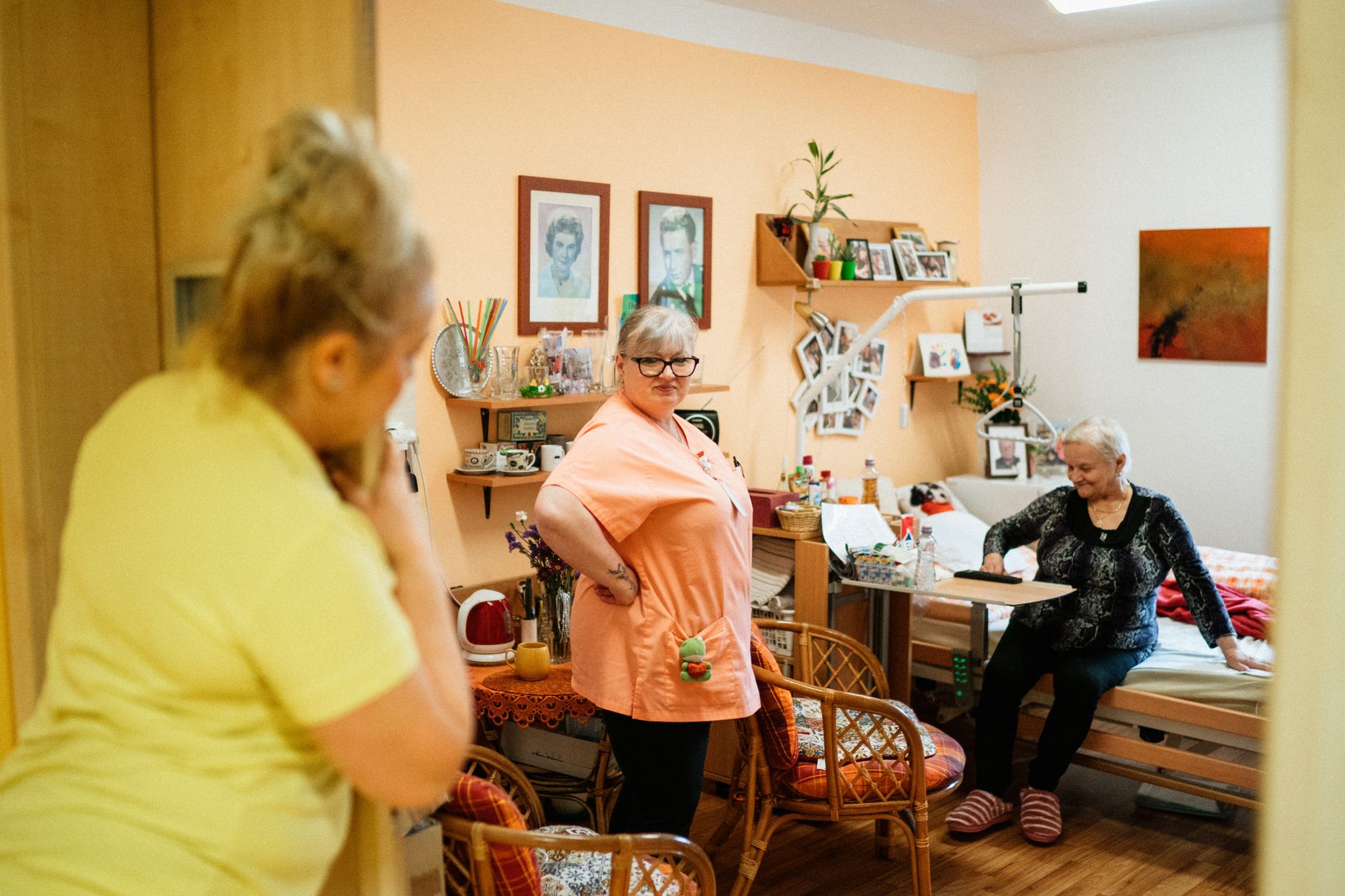
Communities that actively involve local businesses, faith organizations, and volunteers create stronger support ecosystems. Some programs include dementia-awareness training for staff at local businesses, making these spaces safer and more welcoming for people with cognitive decline. For example, training pharmacy staff or grocery store employees to recognize confusion and respond with patience means that routine errands remain possible longer, preserving independence and dignity.
Faith communities often serve as powerful anchors for dementia programs. Churches, synagogues, and mosques frequently host support groups, provide transportation, and include people with dementia in their activities rather than excluding them. This integration into existing community structures—rather than creating separate dementia-only services—helps reduce stigma and keeps patients and caregivers connected to meaningful social networks.
The Future of Dementia Compassion Projects and Emerging Models
As the number of people living with dementia grows, communities are experimenting with new program models. Some are incorporating telehealth to reach rural families, offering support group meetings and care coordination consultations online.
Others are developing specialized programs for specific populations—African American caregivers, LGBTQ+ families, immigrant communities—recognizing that dementia needs and support approaches aren’t one-size-fits-all. Technology is beginning to play a supporting role in local programs, with some using monitoring apps to alert caregivers to safety concerns, or apps that help families coordinate care and share information. However, the most promising programs continue to emphasize human connection and community presence, using technology as a tool rather than a replacement for genuine relationship-based support.
Conclusion
Dementia compassion projects address one of the most challenging aspects of modern family life: the care of loved ones with serious cognitive decline. By combining practical services like respite care with emotional support through peer groups and care coordination, these programs help families maintain dignity, health, and connection throughout the dementia journey. The best programs recognize that dementia affects entire families and neighborhoods, not just individual patients.
If you’re currently a dementia caregiver or supporting someone who is, identifying and connecting with local programs in your area can significantly reduce isolation and burden. Start by contacting your Area Agency on Aging, the Alzheimer’s Association, or a local hospital’s social work department. The specific programs available to you will vary, but the investment in finding them is one of the most practical steps a family can take early in a dementia journey.
You Might Also Like
- Dementia Caregiver Burnout: Warning Signs and Support Options
- Dementia Care at Home: Safety Tools That May Help Caregivers
- Dementia Communication Strategies: How to Make Daily Care Easier
For more, see Alzheimer’s Association.